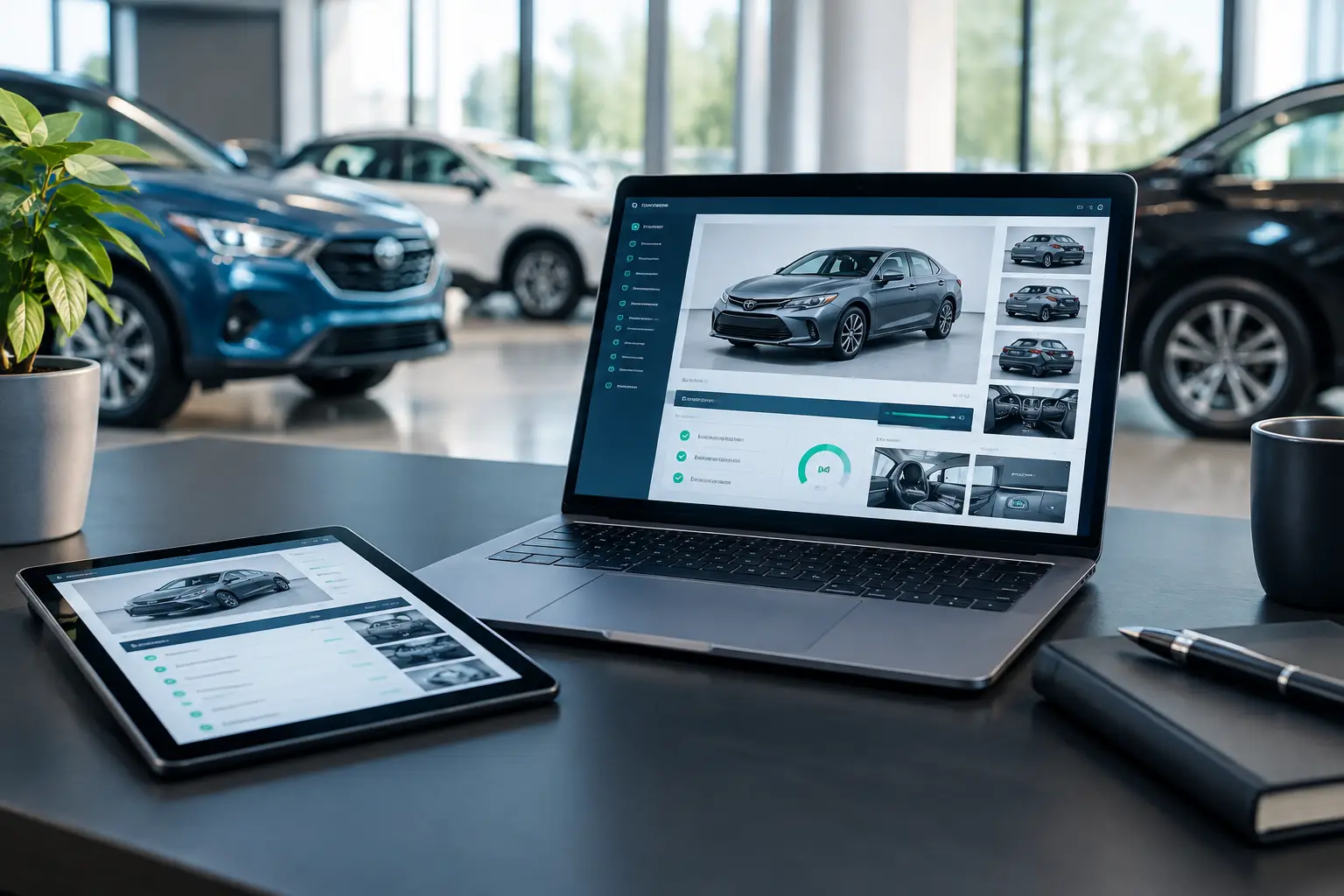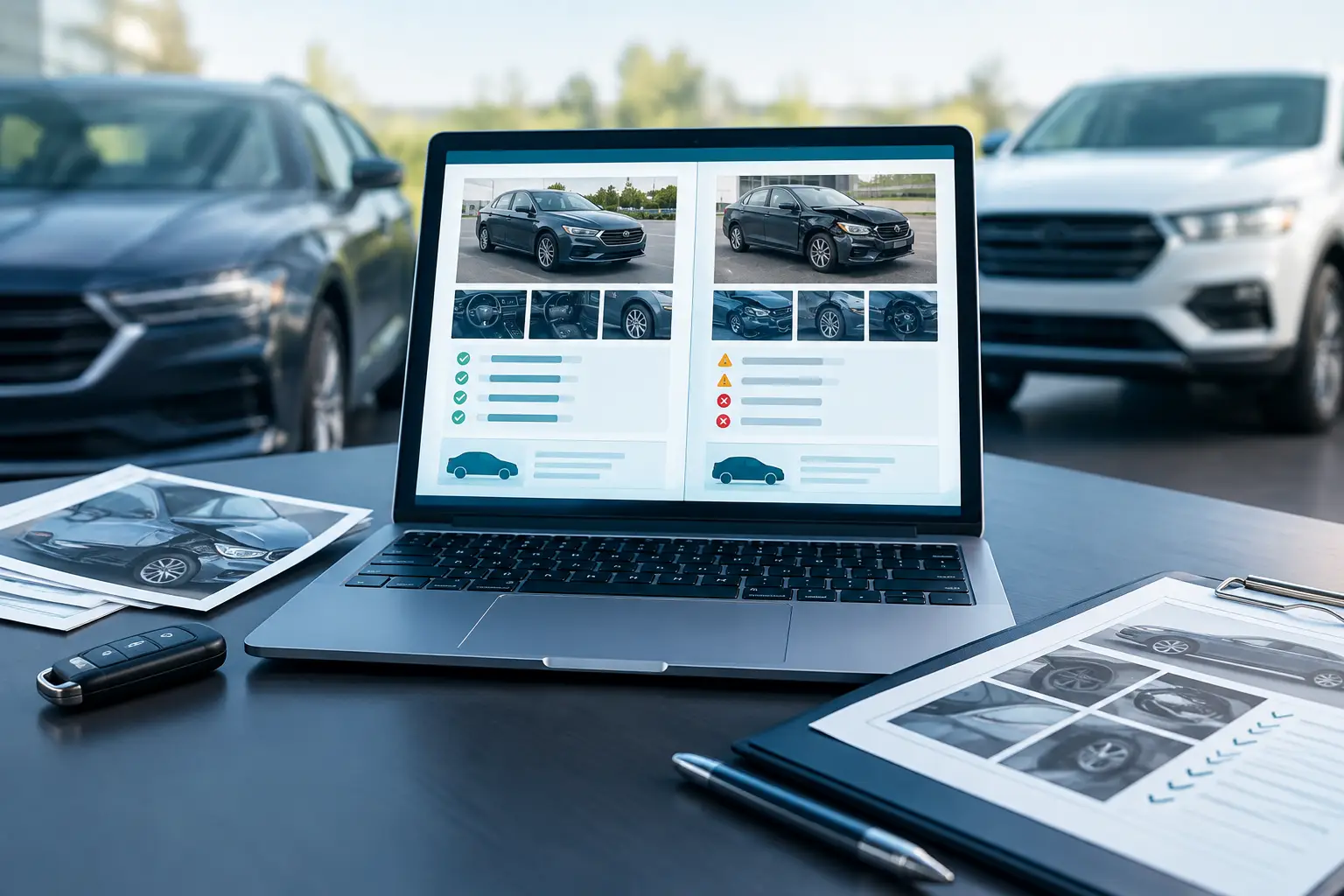

A vehicle can look like a front-line retail win and still become a margin problem the moment its history surfaces. This dealer inventory analysis guide gives independent dealers, buyers, and inventory teams a repeatable way to evaluate each unit before acquisition, not after reconditioning dollars and aging costs begin to pile up.
The goal is not to avoid every vehicle with a record. That would eliminate plenty of sellable, properly priced inventory. The goal is to identify risk early, quantify its likely cost, and buy only when the numbers still work.
Start With a VIN-First Intake Process
Inventory analysis begins before the auction lane, trade appraisal, or wholesale transfer is approved. Every unit should enter the same intake workflow: capture the VIN, verify the vehicle identity, review history, estimate market position, and document the buy decision.
A VIN is more reliable than a stock number, listing description, or seller statement. It connects the unit to title activity, reported accidents, theft records, odometer events, recalls, ownership history, and factory specifications. If the VIN is missing, mismatched, or difficult to verify, pause the deal. A small identification problem can signal a much larger documentation issue.
Build the habit of checking the VIN against the physical vehicle. Confirm the year, make, model, trim, engine, drivetrain, body style, and major equipment. A listing that describes a higher trim, different drivetrain, or premium package can distort both your appraisal and your retail price.
Separate Repairable History From Deal-Breaking Risk
Not all history events carry the same weight. A minor damage report from years ago may be manageable if the repair quality, title status, and current condition support the price. A branded title, repeated auction damage, structural concerns, or an unexplained odometer inconsistency deserves much more scrutiny.
The most useful analysis asks two questions: What is the risk, and can the dealership explain it honestly at retail? If the answer to the second question is no, the vehicle may create customer objections, financing friction, poor reviews, or a future arbitration issue.
Title Status Changes the Entire Deal
Title brands are not cosmetic details. Salvage, rebuilt, flood, lemon, junk, or other title designations can affect financing eligibility, insurance availability, resale value, and buyer confidence. A low acquisition price does not automatically make a branded-title vehicle profitable.
Consider the full retail path. Can your lender partners finance it? Will your target customer accept it? What is the likely days-to-sale impact? Is your advertised price clearly adjusted for the title history? For some dealers, branded-title inventory is a defined specialty with the right inspection process and customer disclosures. For others, it is outside their risk tolerance. Both approaches can be sound when they are intentional.
Odometer and Ownership Records Need Context
An odometer reading that moves backward, jumps unexpectedly, or lacks a logical sequence is a stop-and-verify event. It may be a reporting error, but it can also point to mileage tampering or a cluster replacement that requires documentation. Do not price a unit based on assumed mileage until the record makes sense.
Ownership history is also contextual. Multiple owners are not automatically negative, particularly on older vehicles or leased units. But rapid ownership turnover, frequent title transfers, or a very short ownership period before resale can justify a closer inspection. Patterns matter more than a single data point.
Use Market Data to Set a Real Buy Ceiling
A dealer inventory analysis guide is incomplete without a disciplined buy ceiling. The vehicle's asking price or auction estimate is only the starting point. Your buy ceiling should account for expected retail price, recon, transport, auction fees, pack, holding cost, warranty exposure, and the margin your store requires.
Start with a realistic retail value for your market, not the highest comparable listing you can find. Compare similar vehicles by year, trim, mileage, condition, drivetrain, equipment, title status, and local demand. Then adjust for history. A clean-history unit and a comparable unit with prior damage should not share the same retail target simply because their specs match.
A practical calculation is:
Expected retail price - total acquisition and ownership costs - required gross = maximum purchase price.
Total costs should include more than visible repairs. Estimate detail work, tires, brakes, paintless dent repair, service, inspection, key replacement, transport, marketing, and the cost of capital while the unit ages. If those numbers are not entered consistently, inventory decisions become guesswork disguised as experience.
Score the Unit Before You Commit
Fast acquisition environments reward a simple, repeatable decision system. Create a scorecard that combines vehicle history, physical condition, market demand, and projected margin. This keeps one attractive feature, such as low miles or a desirable color, from distracting the team from a serious title or damage concern.
Your scorecard should cover at least five areas: identity and specifications, title and theft status, accident and damage history, odometer and ownership consistency, and market profitability. Assign clear outcomes such as buy, buy with conditions, inspect further, or pass.
For teams processing volume, a risk-based score helps prioritize attention. DriveEvidence, for example, combines verified vehicle records into a 0-100 DriveEvidence Score so teams can spot higher-risk units quickly while still opening the underlying records when a decision needs more context. A score should guide the workflow, not replace professional judgment or a physical inspection.
Match Inspection Depth to Vehicle Risk
Every unit needs a condition review, but not every unit requires the same level of investigation. A late-model, clean-title vehicle with consistent mileage and no reported damage may need a standard inspection. A unit with prior damage, a title event, unusual ownership activity, or pricing far below market needs a deeper review before money changes hands.
For higher-risk vehicles, verify panel gaps, paint consistency, underbody condition, frame and suspension components, airbag indicators, glass dates, tire wear, and diagnostic trouble codes. Review repair invoices when available. If an accident record is present, determine whether the damage appears consistent with the repair quality and the seller's description.
This is where trade-offs matter. A repaired vehicle can still be a smart purchase if it is structurally sound, transparently disclosed, and priced for its history. A clean report does not guarantee a clean vehicle either. Data and inspection work best together.
Manage Inventory as a Portfolio, Not a Row of Cars
A unit can make sense alone but create unnecessary exposure when viewed against the rest of your inventory. If your lot already has six aging compact SUVs, another one must be exceptional on price, condition, or demand to earn its place. Likewise, too many high-risk or branded-title units can weaken customer trust and absorb management time.
Review inventory by segment each week: price band, body style, age, mileage, fuel type, title condition, acquisition source, and days in stock. Look for concentration risk and identify what actually turns at your store. National demand trends are useful, but your local buyer base, lender mix, and recon capacity determine what is profitable on your lot.
Set aging triggers before units become stale. A 30-day review might confirm pricing and merchandising. A 45-day review might require a market adjustment or wholesale exit decision. The exact timing depends on your segment and capital position, but a written rule prevents emotion from turning a questionable buy into a 90-day problem.
Create an Audit Trail for Every Decision
Document why each vehicle was bought, conditionally approved, or passed. Save the VIN findings, inspection notes, market comps, estimated recon, and approved purchase ceiling. This protects the business when questions arise and gives managers a way to improve buying accuracy over time.
The best dealership teams do not treat a bad unit as bad luck. They trace the miss back to the process: Was a title brand overlooked? Was recon underestimated? Did the market soften? Was the vehicle bought above the documented ceiling? That feedback turns inventory analysis into a measurable operating advantage.
The right unit is not the one with the lowest hammer price. It is the one whose history, condition, market fit, and total cost are clear enough to support a confident retail decision. Know the proof behind every vehicle before it reaches your front line.