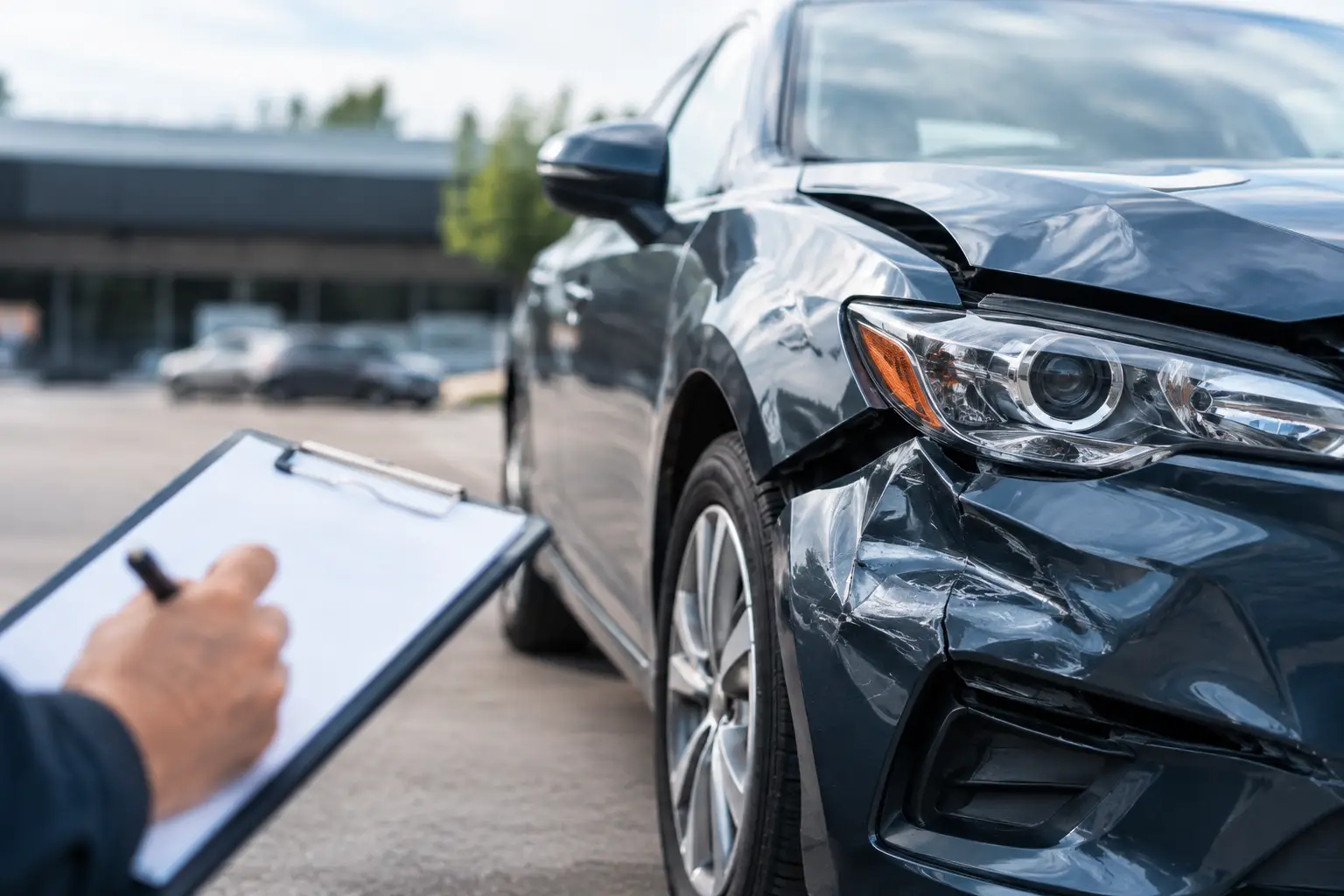

A clean-looking vehicle can still carry a costly past. Damage history gives buyers, dealers, and fleet managers the evidence needed to see beyond fresh paint, polished wheels, and a seller's description. It can reveal reported collisions, structural damage, airbag deployments, insurance losses, and repair patterns that affect safety, value, and future resale.
The goal is not to reject every vehicle with a damage record. Many properly repaired vehicles remain reliable and fairly priced. The real task is to understand what happened, how serious it was, whether the repair was documented, and whether the asking price reflects the risk.
What Damage History Actually Shows
Damage history is a record of vehicle damage reported through insurance claims, collision repair sources, auctions, police records, title activity, and other data channels. The level of detail varies. One record may simply state that damage was reported, while another may identify the affected area, indicate an airbag deployment, or show that the vehicle was sold as a salvage unit.
A report can help establish a timeline. If a vehicle shows accident-related damage shortly before a title brand appears, that sequence deserves closer review. If a damage event is followed by regular registration, service activity, and years of normal use, the context may be less concerning. Dates matter because they help separate a one-time incident from a pattern of recurring problems.
Not every repair creates a report. Private repairs paid out of pocket may never reach the databases used for vehicle history reporting. A clean report is useful evidence, but it is not proof that a vehicle has never been damaged. That is why a history report should support, not replace, a physical inspection and road test.
Which Damage Records Matter Most
The severity, location, and consequence of damage matter more than the word "accident" alone. A low-speed parking-lot impact and a collision that compromises the frame should not be treated as equal events.
Structural and frame damage
Structural damage is one of the most serious findings on a vehicle report. Modern vehicles are engineered to absorb impact in specific ways. When frame rails, unibody sections, suspension mounting points, or crumple zones are bent or repaired, the vehicle may require highly precise work to restore proper alignment and crash performance.
A structural damage record does not automatically make a vehicle unsafe. But it raises the standard of proof. Buyers should request repair invoices, review before-and-after photos when available, and have an independent technician inspect the vehicle on a lift. Dealers evaluating inventory should account for the potential effect on financing, customer confidence, and future trade-in value.
Airbag deployment
An airbag deployment indicates a collision significant enough to trigger a major safety system. Proper airbag replacement can be expensive, which creates an incentive for poor repairs or the use of incorrect parts. A vehicle with an airbag-related record should be inspected for warning lights, module faults, seat belt pretensioner replacement, and evidence of dashboard or interior trim work.
The key question is not simply whether the airbags deployed. It is whether the complete restraint system was repaired correctly and documented.
Salvage, rebuilt, and junk title events
A damage record becomes more consequential when it connects to a branded title. Insurers may declare a vehicle a total loss when repair costs exceed a percentage of its value, even if the damage appears repairable. A salvage title generally means the vehicle was deemed a total loss. A rebuilt title means it was later repaired and approved for road use under the rules of the relevant state.
These vehicles can be appropriate for certain buyers, particularly experienced repair professionals or value-focused buyers with access to thorough inspections. The trade-off is clear: lower purchase price may come with reduced resale value, insurance limitations, financing challenges, and greater uncertainty about repair quality. A branded title should never be priced like a clean-title equivalent.
Flood and water damage
Water damage can create problems long after a vehicle appears dry and clean. Corrosion in connectors, wiring harnesses, sensors, seat tracks, and control modules can lead to intermittent faults that are difficult to diagnose. Flood damage may also affect safety systems, interior components, and electronics.
Watch for musty odors, unusual corrosion under seats, silt in hidden areas, mismatched interior trim, or electrical warnings that appear and disappear. A report may identify flood-related records or title brands, but an in-person inspection remains essential because water intrusion is not always reported.
How to Read Damage History in Context
A single damage entry is not a verdict. Start by comparing the record with the vehicle's age, mileage, title status, ownership pattern, and current condition. A 10-year-old vehicle with one minor rear-end claim and consistent maintenance may be a reasonable purchase. A late-model vehicle with multiple damage entries, repeated auction appearances, and a sudden title change requires more caution.
Look for consistency. Does the VIN report show the same model, color, mileage progression, and title status described by the seller? Do repair dates line up with ownership changes? Does the vehicle's current condition match the reported history? Inconsistencies do not always mean fraud, but they are a reason to slow down and verify.
Price is another essential part of context. A seller may describe damage as minor, but the market should reflect that history. Compare the vehicle against similar examples with clean titles and no reported accidents. If the discount is too small, the buyer is absorbing risk without receiving meaningful value. If the price is far below market, investigate why before assuming it is a bargain.
For dealers and auction buyers, this is where a repeatable process matters. Review damage records before bidding, establish acceptable risk thresholds by vehicle segment, and calculate recon costs before the vehicle enters inventory. A compact commuter car with cosmetic damage may fit one strategy. A luxury vehicle with structural history and advanced driver-assistance sensors may create a very different cost profile.
Verify the Record Before You Commit
Vehicle history data is most valuable when it leads to the next right action. If a report shows damage, ask the seller direct questions: What was damaged? Who performed the repair? Are invoices, photos, or insurance documentation available? Has the vehicle passed a post-repair inspection? A legitimate seller should be prepared to provide clear answers.
Then verify the vehicle itself. An independent pre-purchase inspection should include a scan for diagnostic trouble codes, an underbody review, paint and panel assessment, tire wear evaluation, and a road test. Technicians can often identify signs of prior repairs, including inconsistent panel gaps, overspray, replacement fasteners, uneven welds, poorly aligned suspension, and non-factory corrosion protection.
For vehicles with serious damage records, request a more focused inspection. A body shop or collision-repair specialist may be better equipped than a general mechanic to assess frame measurements, weld quality, repair procedures, and signs of airbag system replacement.
DriveEvidence helps make this review faster by bringing reported damage, title events, odometer information, recalls, and other vehicle intelligence into one decision workflow. Its DriveEvidence Score can help prioritize risk across multiple VINs, but the record and inspection should still guide the final call.
When Damage History Is a Deal Breaker
Walk away when the seller cannot explain major damage, documents conflict with the VIN record, or the vehicle shows evidence of poor repair quality. The same applies when a branded title is undisclosed, airbags or warning systems appear questionable, or the asking price ignores the vehicle's history.
There are cases where a damaged vehicle can still make sense. A well-documented repair, a clean inspection, a realistic discount, and a buyer who understands the resale implications can add up to a sound decision. But uncertainty should lower the price, not lower your standards.
The best purchase decision is rarely based on one line in a report. Use damage history to ask sharper questions, inspect what the record cannot show, and pay only for the vehicle that the evidence supports.