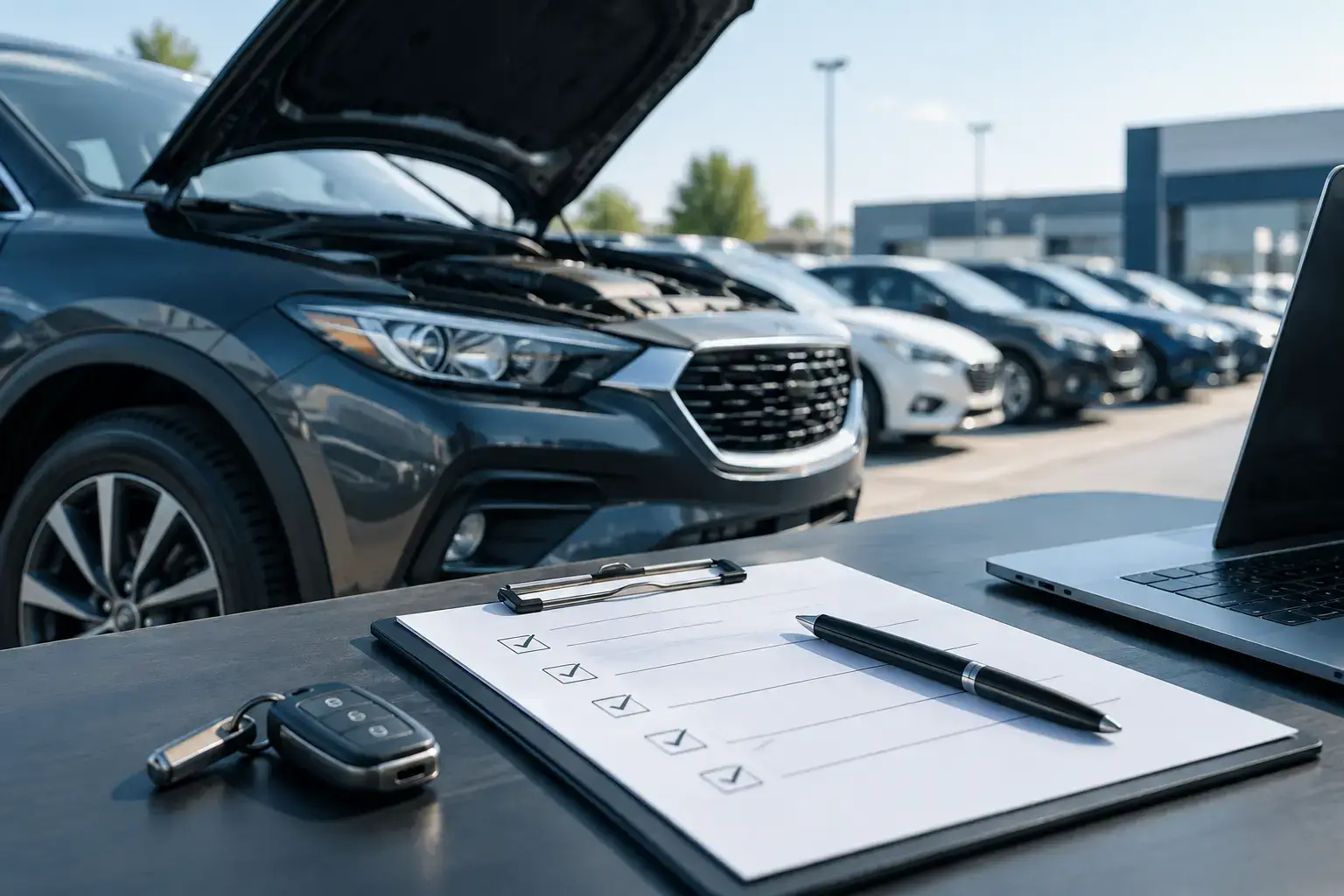
A rebuilt-title vehicle can look spotless on a dealer lot, drive smoothly on a test drive, and still carry a history that changes its safety, value, and insurability. So, are rebuilt cars safe? Some are. Others are risks disguised by fresh paint, detailed interiors, and a low asking price. The title alone does not tell you which one you are looking at.
A rebuilt car should never be bought on appearance or price alone. It should be evaluated as a documented repair project: What happened, how severe was the damage, who repaired it, what parts were used, and what evidence proves the vehicle is roadworthy now?
What a rebuilt title actually means
A vehicle typically receives a salvage title after an insurer declares it a total loss. That does not always mean the car was destroyed. It means the projected repair cost, combined with its pre-loss value and state rules, made it uneconomical for the insurer to repair.
The cause can range from a repairable collision to flood exposure, theft recovery, vandalism, hail damage, or fire. A buyer or repairer can purchase the salvage vehicle, restore it, and submit it for the inspection required by that state. If it passes, the vehicle may receive a rebuilt, reconstructed, restored, or prior-salvage title, depending on the jurisdiction.
That inspection matters, but it is not a complete guarantee of repair quality. State inspections often focus on identity verification, stolen-parts checks, basic roadworthiness, and whether required receipts are present. They may not involve a deep assessment of frame geometry, airbag system operation, hidden corrosion, calibration of driver-assistance features, or long-term durability.
Are rebuilt cars safe after proper repairs?
Yes, a rebuilt car can be safe when the original damage was repairable and the restoration was completed correctly. A lightly damaged vehicle repaired with original-equipment or equivalent-quality parts by a qualified collision shop can return to safe service.
But a rebuilt title raises the burden of proof. The buyer must verify more than they would for a clean-title vehicle because serious defects can be concealed behind cosmetic repairs. Safety depends on the extent and location of the original damage, the quality of parts and labor, and whether modern vehicle systems were correctly restored.
A repaired bumper is not the same risk as a vehicle with structural damage, deployed airbags, flood contamination, or a compromised restraint system. The more the damage involved the frame, suspension mounting points, steering, airbags, wiring, sensors, or roof structure, the more scrutiny the vehicle deserves.
Repairs that deserve the closest review
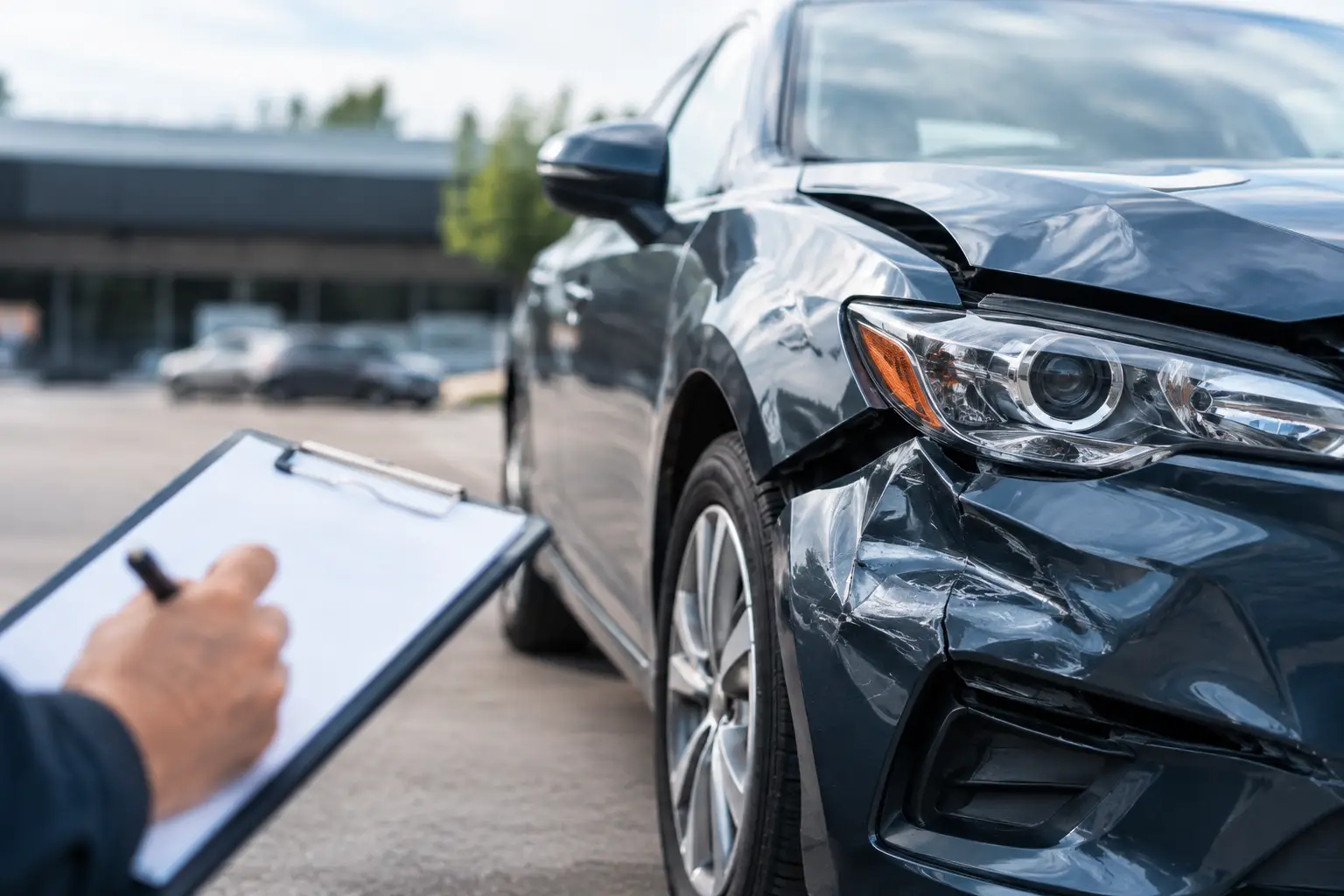
Front-end collision repairs can affect radiator supports, crumple zones, steering components, headlights, radar sensors, and airbag systems. A vehicle may track straight during a short drive yet still have poor alignment, uneven tire wear, or improperly calibrated safety technology.
Side-impact damage requires careful review because it may involve doors, pillars, seat-mounted airbags, curtain airbags, and side-impact protection. Roof damage is a major concern, particularly if the vehicle rolled over or if repairs were made around the windshield frame or roof rails.
Flood damage can be especially difficult to evaluate. Electrical issues may not appear immediately, and corrosion can develop inside connectors, control modules, seat tracks, and safety components. A rebuilt vehicle with flood history deserves a higher level of caution than one with documented, limited collision damage.
The records that separate a smart purchase from a gamble
Before negotiating, run the VIN and build a timeline of the vehicle's history. You want the original title brand, reported damage events, auction records when available, theft or recovery information, odometer readings, ownership history, open recalls, and inconsistencies between the seller's story and the record.
Ask the seller for before-repair photos, repair invoices, parts receipts, alignment reports, airbag documentation, and the state rebuilt-title inspection paperwork. A legitimate seller should expect these questions. Missing paperwork does not automatically prove poor work, but it removes the evidence you need to make a confident decision.
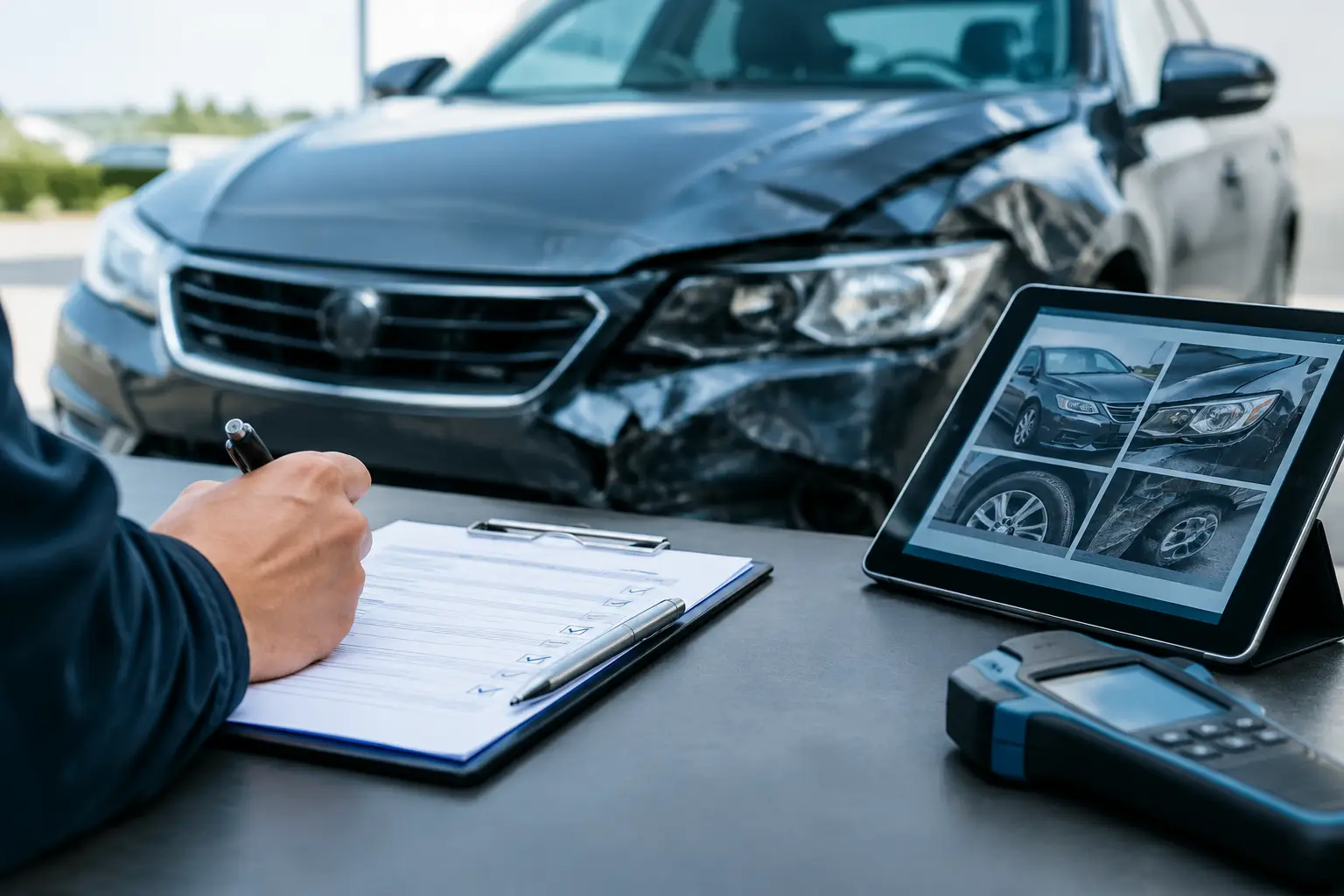
Photos are particularly useful. They show where the impact occurred and whether the damage reached structural areas, suspension components, or the passenger compartment. Compare those photos against the finished vehicle. Look for panel gaps, mismatched paint texture, uneven headlight fitment, overspray, rippled metal, water lines, or newer components concentrated around one impact area.
A VIN report is a starting point, not a substitute for inspection. Records can be delayed, incomplete, or tied to events that were never reported through the usual channels. Use the history to identify questions, then verify the answers with documents and a physical evaluation.
Get an independent pre-purchase inspection
For a rebuilt vehicle, an independent inspection is not optional. Do not rely on the seller's mechanic or a generic state inspection. Hire a qualified technician or collision specialist who has no financial stake in the sale.
Ask for an inspection that goes beyond fluids and brakes. The technician should scan for diagnostic trouble codes, check the underbody and suspension, inspect welds and structural repair areas, examine airbag and seat belt components, verify tire wear and alignment, and assess whether advanced driver-assistance systems appear properly calibrated.
If the car has frame or unibody repair history, a body shop with measuring equipment may provide the most useful assessment. They can identify irregular repairs that a basic mechanical inspection may miss. That additional cost is small compared with buying a vehicle that cannot be safely or economically corrected.
Verify insurance, financing, and resale before you commit
Safety is only one part of the decision. Rebuilt-title vehicles commonly have lower market values, and lenders may limit financing or require larger down payments. Some insurers offer liability coverage but restrict comprehensive and collision coverage, while others may decline coverage entirely.
Call your insurer with the VIN before you place a deposit. Ask what coverage is available, how the vehicle would be valued after another loss, and whether the title brand changes deductible or settlement terms. Get the answer in writing if possible.
Also price the vehicle against comparable clean-title examples. A rebuilt car should carry a meaningful discount because the buyer is accepting reduced resale demand, possible coverage limitations, and a history that will follow the vehicle permanently. A small discount is not enough compensation for a large unknown.
For dealers and frequent auction buyers, consistency matters. A vehicle intelligence workflow that lets you compare title brands, damage events, odometer records, recalls, market values, and risk signals side by side helps prevent a low acquisition price from becoming an expensive inventory problem. DriveEvidence's VIN-based reporting and DriveEvidence Score can help prioritize which units deserve a deeper inspection before money changes hands.
When a rebuilt car may make sense
A rebuilt vehicle can be a rational purchase for a buyer who plans to keep it for years, pays a price that reflects the title history, has verified repair documentation, and can obtain appropriate insurance. It may also suit an experienced owner who understands repair quality and is comfortable with reduced resale flexibility.
It is usually a poor fit for buyers who need easy financing, expect a quick resale, want maximum warranty protection, or cannot afford an unexpected repair. It is also the wrong vehicle to buy under pressure. If the seller will not provide the VIN, repair records, or time for an independent inspection, walk away.
The safest rebuilt car is not the one with the cleanest exterior. It is the one with a traceable history, documented repairs, independent verification, and a price that honestly reflects the remaining risk. Know the proof before you buy.