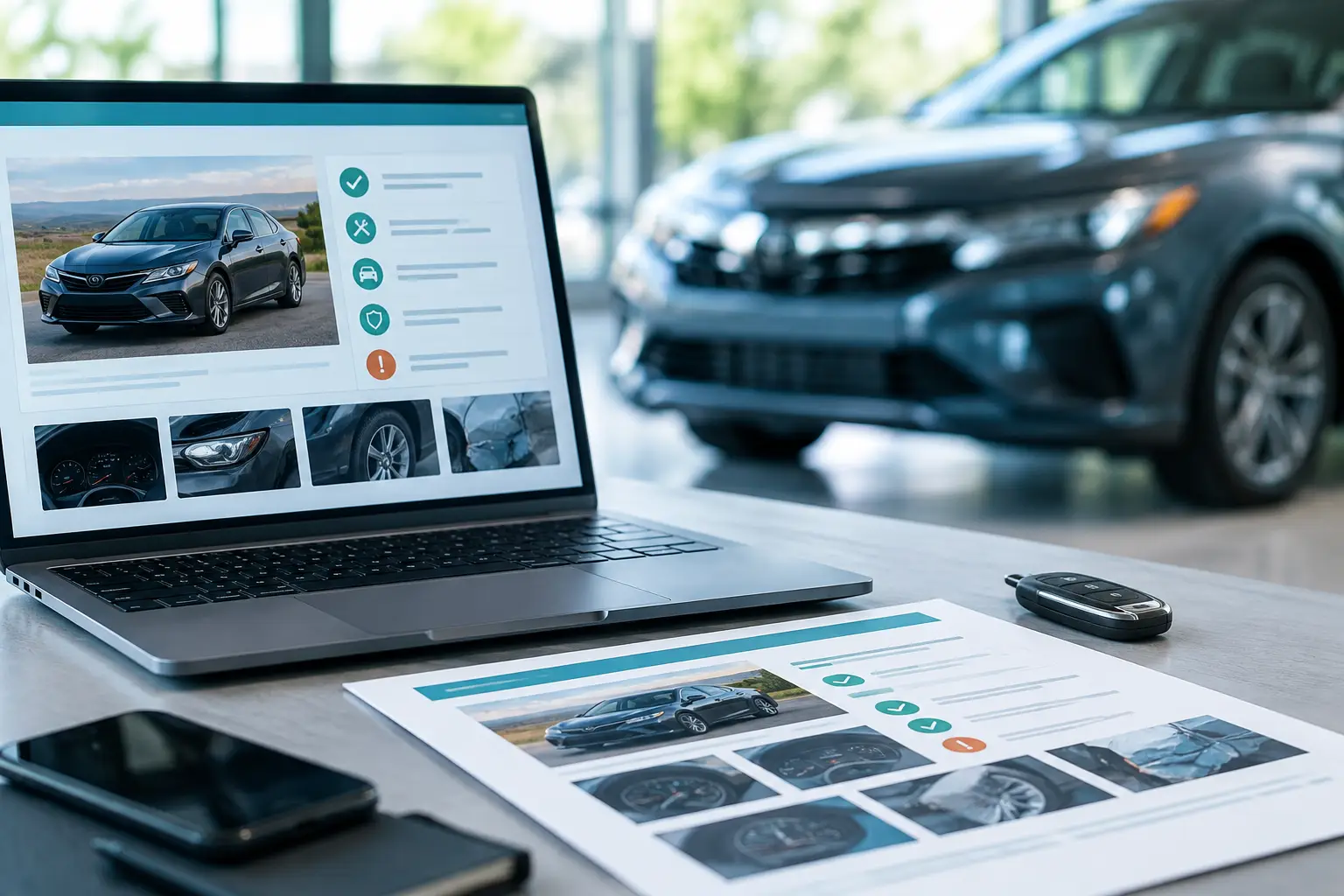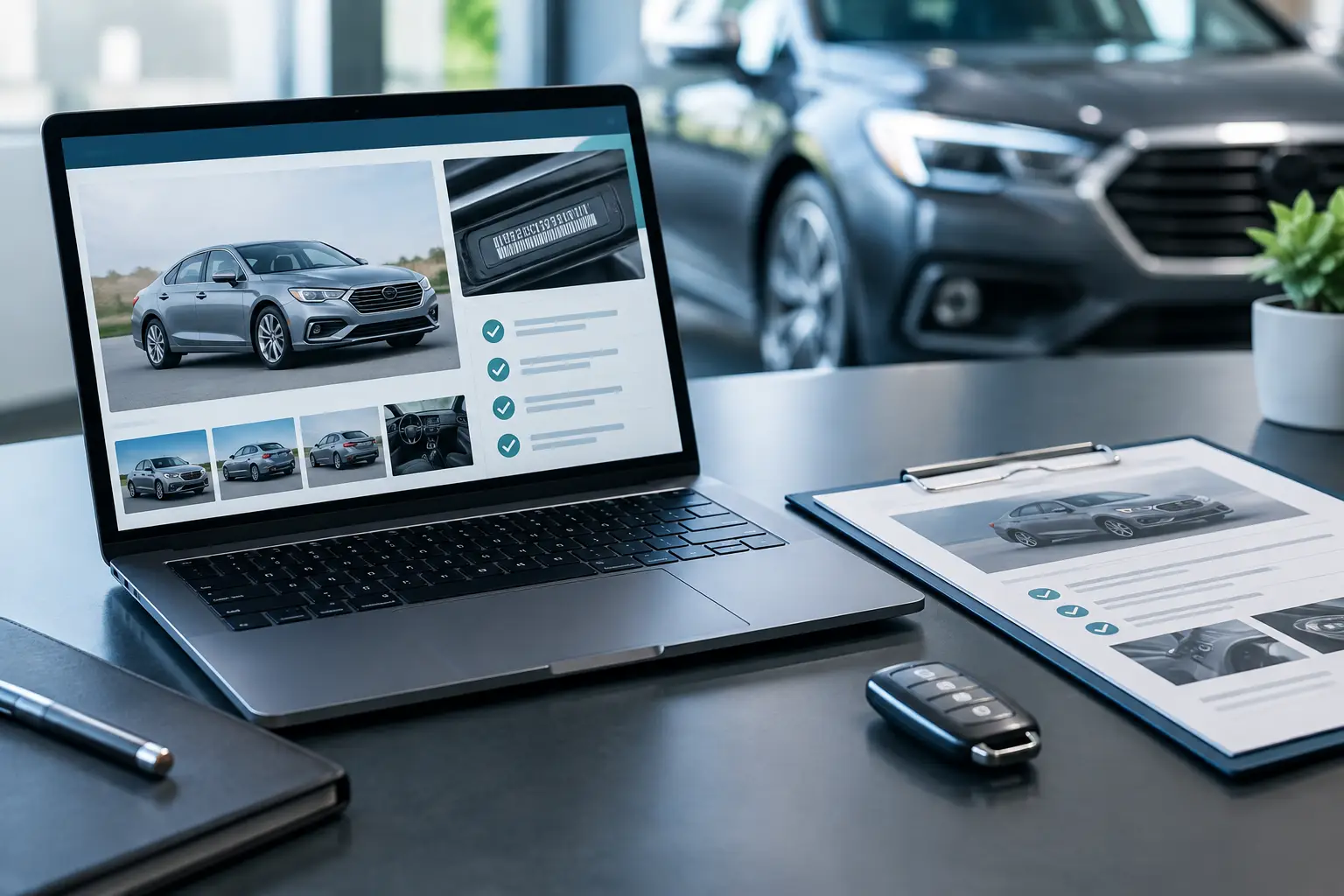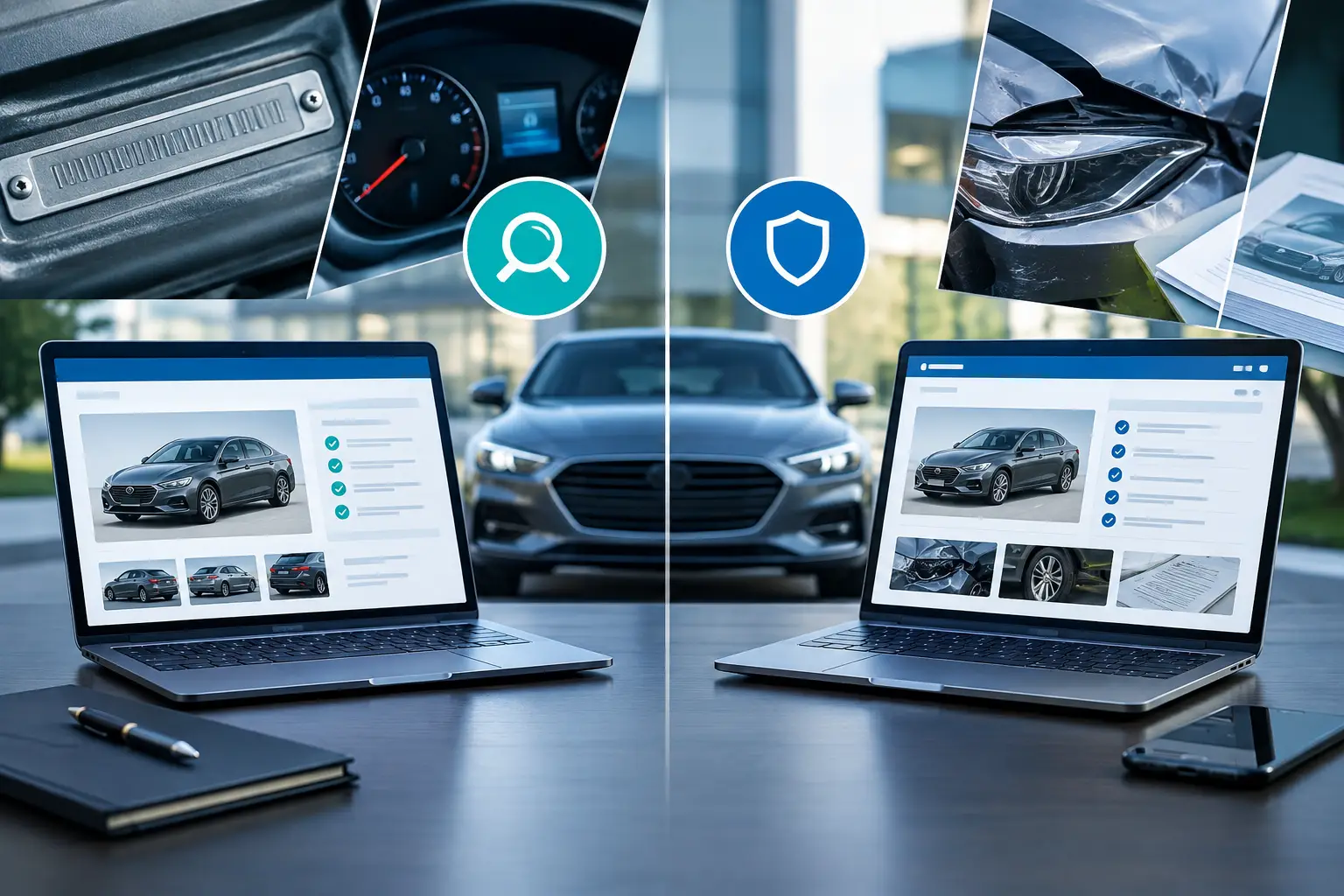
A clean test drive can hide a branded title, mileage rollback, or unrepaired damage. That is why the best VIN check tools matter before money changes hands. One report will not make the decision for you, but the right tool can surface the proof that keeps you from buying a problem.
The challenge is not finding a VIN lookup. It is finding one that gives you useful, verified signals fast enough to act on them. Some tools are built for casual shoppers who want a quick recall check. Others are better for dealers, auction buyers, and fleet teams who need to evaluate multiple vehicles side by side without wasting time.
What separates the best VIN check tools
A good VIN tool does more than confirm the year, make, and model. Those basics are easy. What actually protects buyers is access to title records, accident and damage events, odometer history, theft data, ownership changes, recall status, and market context.
Coverage matters, but usability matters too. If a report is packed with raw data and no clear decision signal, a first-time buyer may miss the red flags. On the other hand, a stripped-down tool can be too thin for professionals who need to defend pricing, appraise trade-ins, or screen auction inventory.
The best option depends on your workflow. A single private-party purchase has different needs than a ten-car dealer appraisal day.
7 best VIN check tools to consider
1. DriveEvidence
DriveEvidence is built for people who need to move from raw history to a decision quickly. Instead of treating every VIN as a standalone document, it brings vehicle intelligence into one dashboard where users can review, save, compare, sort, and export multiple vehicles. That matters if you are cross-shopping cars, managing dealer inventory, or reviewing units at auction.
The strongest differentiator is the DriveEvidence Score, a 0-100 risk-based score designed to turn complex history into a clearer signal. That does not replace judgment, but it helps buyers and professionals prioritize what to inspect first. If two vehicles look similar on price and mileage, a scoring layer can expose which one deserves a closer look.
It also fits mixed-use workflows well. Free VIN lookup features for specs and recalls help with early screening, while premium reporting adds the deeper records buyers and dealers actually need. If your biggest pain point is fragmented research across multiple tabs and reports, this type of platform has a real advantage.
2. CARFAX
CARFAX is the name most retail buyers know first, and for good reason. It has broad consumer recognition and a familiar report format. Many dealerships already use it in merchandising, so shoppers often encounter CARFAX before they start independent research.
Its strength is trust built through visibility. When a seller says a car has a clean background, a CARFAX report can quickly confirm or challenge that story. The trade-off is that recognition does not always mean the best fit for every user. For multi-vehicle comparison and workflow efficiency, especially for independent buyers juggling several candidates, it can feel more report-by-report than dashboard-first.
3. AutoCheck
AutoCheck is often favored in dealer and auction environments because of its scoring model and frequent use in wholesale channels. If you are evaluating vehicles that move through auctions or dealer lanes, AutoCheck can be especially relevant.
It tends to work well for users who want a quick comparative signal across several vehicles. That said, not every score tells the full story on its own. You still need to read the underlying events carefully, especially when title history, structural damage, or odometer inconsistencies are involved.
4. NICB VINCheck
NICB VINCheck serves a narrower purpose, but it is still valuable. It focuses on theft and certain salvage-related insurance records. For a free tool, that is useful. If you are screening a private-party listing and want a fast check for major fraud signals, this is a sensible first step.
The limitation is obvious. It is not a full vehicle history platform. It will not replace a paid report that includes ownership, accident chronology, title brands, valuations, and broader record depth. Think of it as a fraud-screening checkpoint, not a final answer.
5. NHTSA VIN Decoder
The NHTSA VIN Decoder is another focused tool that helps with basics such as vehicle specifications and recall information. It is reliable for confirming what a vehicle is supposed to be, which is more useful than it sounds. Trim mismatches and equipment confusion can affect value, insurance expectations, and even whether a listing is honest.
Still, it is not designed to tell you what happened to the vehicle over time. It will not reveal hidden damage history or mileage anomalies. Use it to verify identity and safety campaigns, not to judge overall risk.
6. iSeeCars VIN Report
iSeeCars is often used by shoppers who want a blend of history signals and pricing context. That can be helpful when you are trying to answer two questions at once: Is this vehicle risky, and is it overpriced?
For retail buyers, that value angle is practical. A vehicle with a decent history but inflated asking price is still a bad deal. The trade-off is that buyers should be careful not to let pricing tools overshadow condition risk. A bargain with major hidden issues is not really a bargain.
7. EpicVIN
EpicVIN has gained attention as an alternative for users who want broad report access without defaulting to the biggest legacy brands. It generally appeals to budget-conscious shoppers comparing different reporting options.
As with any lower-cost or alternative platform, the key question is record depth and consistency for the exact vehicle you are researching. Some VIN tools look strong on features but vary in how complete the result feels from one vehicle to another. That is why it helps to judge the report by what it actually shows, not just by the marketing checklist.
How to choose the best VIN check tools for your situation
If you are buying one used car from a private seller, start with risk exposure. You need title brands, accident and damage history, theft records, odometer verification, ownership timeline, and open recalls. Pricing data is helpful, but it comes after basic legitimacy.
If you are a dealer or auction buyer, speed and comparison become just as important as data depth. A strong tool should help you review multiple VINs without opening disconnected reports all day. Side-by-side comparison, sorting, and export features save real time and reduce costly misses.
If you manage a fleet, consistency matters most. You are not only checking whether one vehicle is clean. You are building repeatable screening and documentation across many assets. In that environment, dashboard workflow and reporting structure often matter more than brand familiarity.
What the report should tell you before you buy
The best VIN check tools should answer a few hard questions quickly. Has the vehicle ever carried a salvage, rebuilt, flood, or other branded title? Does the mileage progression make sense from one record to the next? Are there theft or recovery events? Is there evidence of damage that should affect negotiation, inspection, or outright rejection?
You also want to know whether the vehicle's market position matches its history. A clean-looking SUV priced well below market is not always a deal. Sometimes the discount is the clue. A solid report helps you connect the asking price to the vehicle's risk profile instead of guessing.
No VIN report is perfect, and that is a point worth making clearly. Not every incident is recorded immediately, and not every event appears in every database. A report is strongest when used with a pre-purchase inspection, service records, and a close look at the seller's claims. The goal is not blind trust in a score or a report. The goal is fewer blind spots.
Common mistakes buyers make with VIN tools
One mistake is stopping at a free decoder and assuming the vehicle is fine. Specs and recalls are useful, but they do not reveal the full history. Another is focusing only on whether the title says clean. A clean title does not guarantee a clean past.
Buyers also get tripped up by reading reports too literally. A report with no damage entry is not the same as proof of no damage ever. It means no matching record was found in the available sources. That distinction matters, especially in private-party sales where documentation may be thin.
Professionals make a different mistake. They sometimes use strong data but weak workflow. If your team is checking VINs one by one with no central comparison process, you are leaving efficiency on the table. The best tools should reduce friction, not just add information.
A smart VIN check does not replace judgment. It sharpens it. Use the tool that matches your buying volume, your risk tolerance, and how quickly you need to compare the proof behind every vehicle.