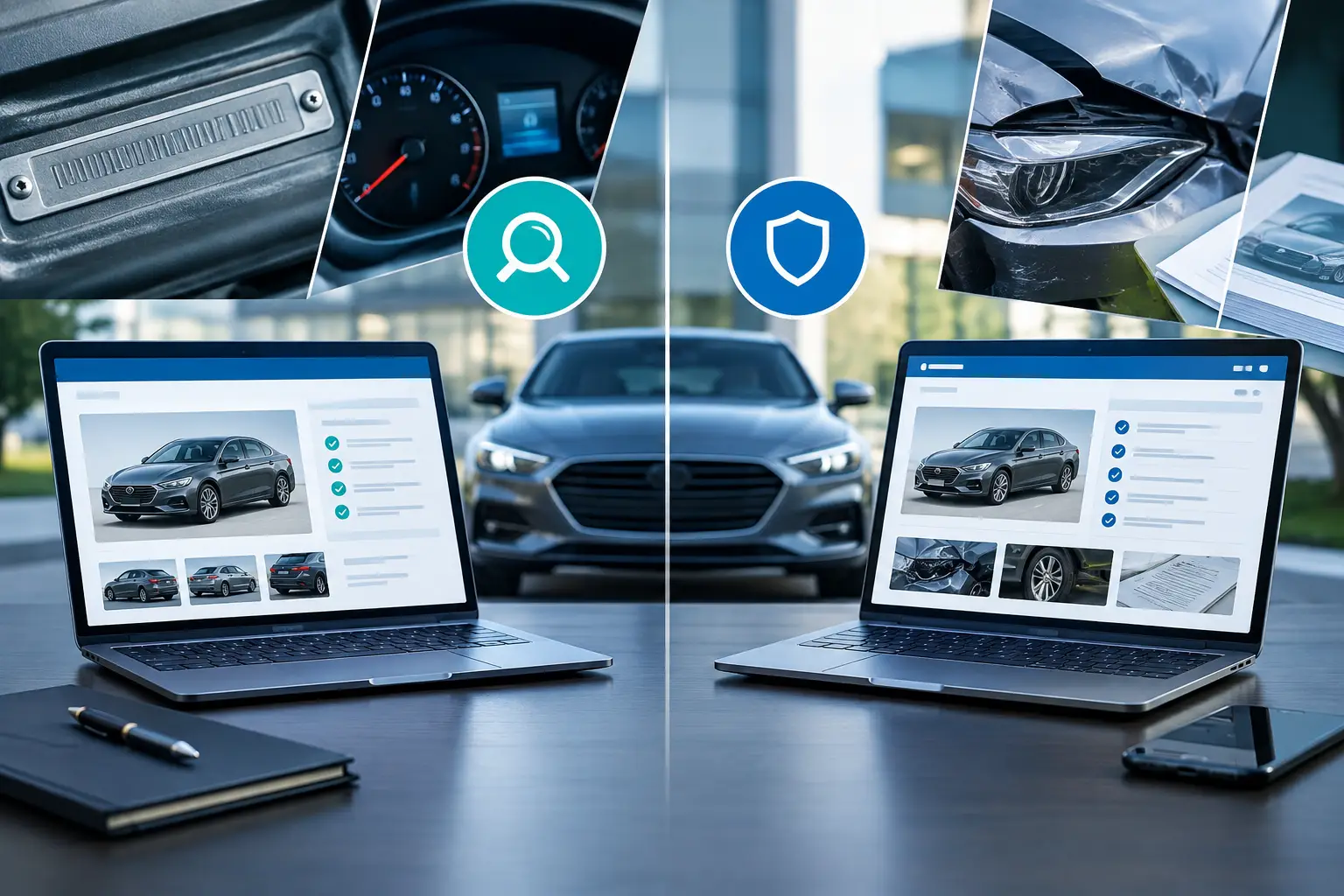
A clean-looking car can hide an expensive story. Fresh paint, a detailed interior, and a smooth test drive do not tell you whether the vehicle was totaled years ago, branded with a salvage title, rolled back on mileage, or passed through multiple owners with recurring damage. That is exactly why people ask, what is vehicle history check, and whether it is worth doing before money changes hands.
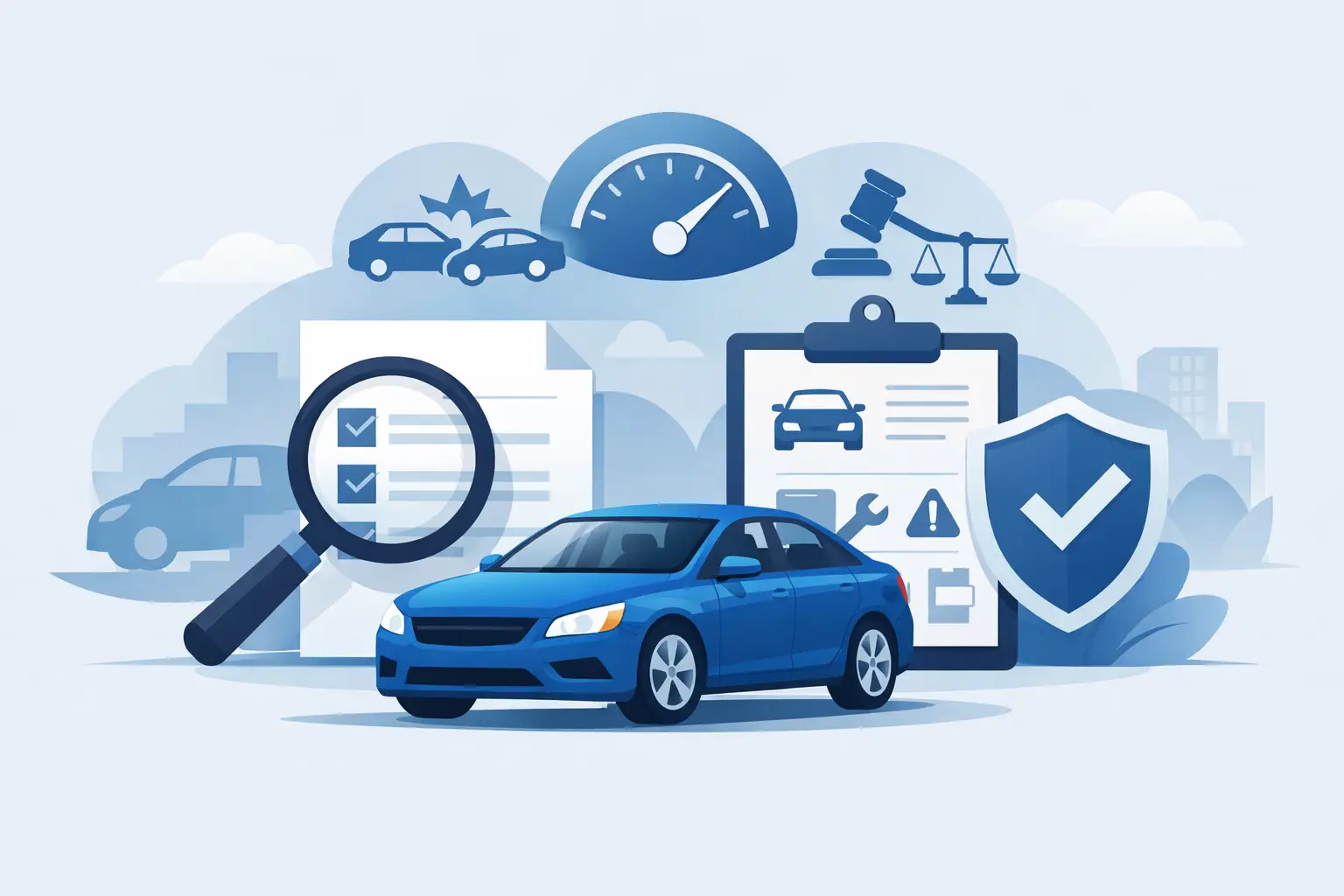
A vehicle history check is a VIN-based review of recorded events tied to a specific vehicle over time. It pulls together data points such as title status, accident history, ownership records, theft records, odometer readings, recalls, and vehicle specifications. The goal is simple - reduce uncertainty before you buy, sell, appraise, or manage a vehicle.
For individual buyers, that means fewer bad surprises after purchase. For dealers, auction buyers, and fleet teams, it means faster screening and more consistent decisions across multiple vehicles. A history check does not replace an inspection, but it gives you proof where a seller's description cannot.
What is vehicle history check used for?
At its core, a vehicle history check is a risk-filtering tool. It helps you verify whether the story you are being told matches the record attached to the VIN.
If a seller says the car has never been in an accident, the report may show insurance-reported damage. If the odometer reading looks low for the age, a history check may show mileage inconsistencies. If the price seems unusually attractive, the title history may explain why.
This matters because vehicle problems are not all mechanical. Many of the most expensive mistakes happen on paper. A branded title, a prior total loss, an unrepaired recall, or a theft recovery can affect safety, insurability, resale value, financing, and your ability to trust the deal at all.
For professional users, the value is even more operational. A dealer or fleet manager may need to process dozens of VINs quickly, compare risk across inventory, and document decision-making. In that setting, a vehicle history check is not just research. It is workflow.
What a vehicle history check usually includes
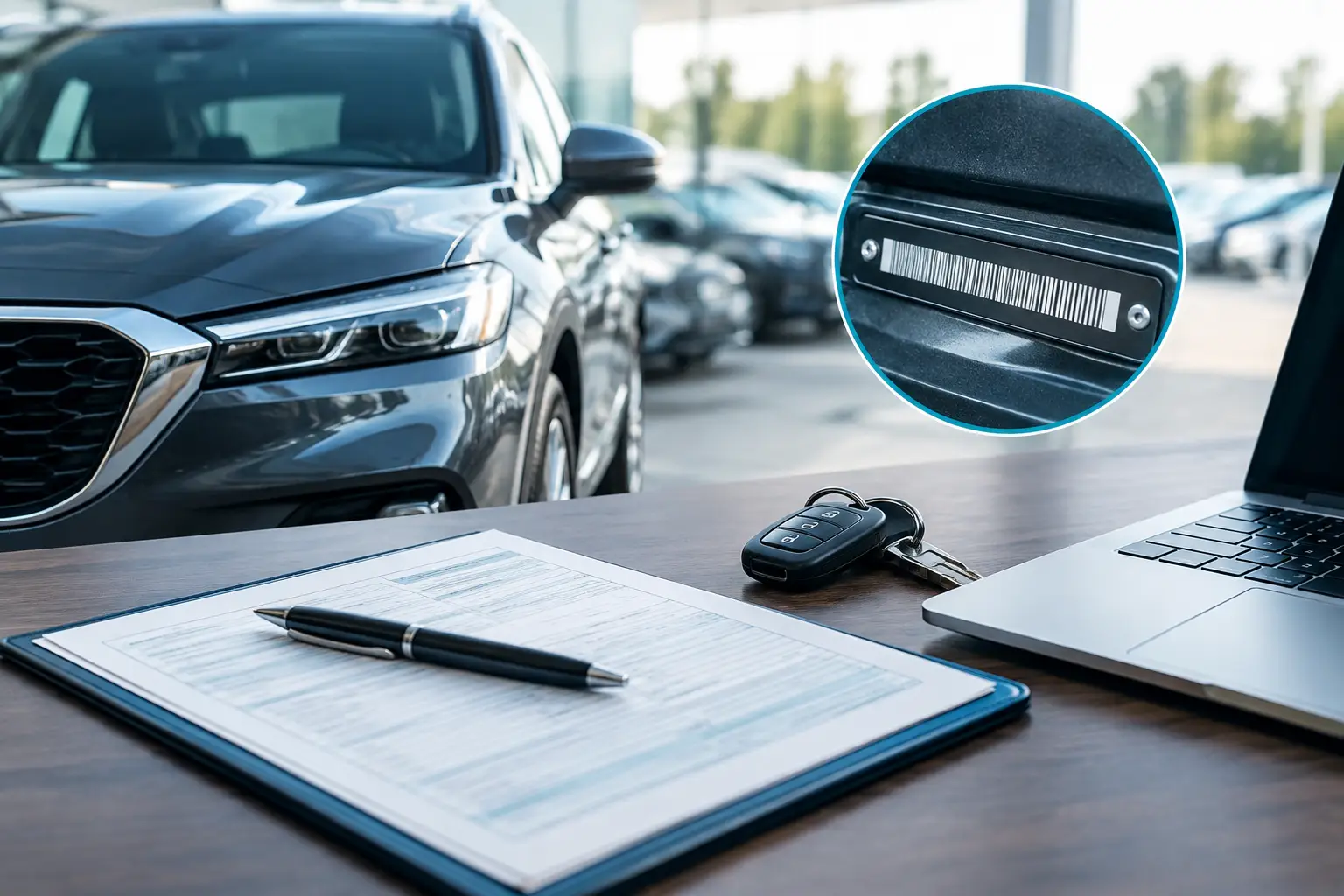
Most checks start with the VIN, which acts as the vehicle's fingerprint. From there, the report assembles records from participating databases and sources to build a timeline.
Title status and title brands
This is one of the first places experienced buyers look. A title can reveal whether the vehicle has been marked as salvage, rebuilt, flood-damaged, lemon, junk, or another branded status depending on state reporting. These brands can dramatically change market value and future resale.
A clean title does not automatically mean a clean past, but a branded title is a major signal that deserves close review.
Accident and damage history
A vehicle history check may show reported collisions, structural damage, airbag deployment, or insurance loss events. The details vary depending on what was reported and by whom. Some reports include damage categories or event dates that help you understand whether the issue was minor cosmetic damage or something more serious.
This section is useful because many repaired vehicles look fine in photos. The record helps you ask better questions before you rely on appearance alone.
Odometer records
Mileage fraud still happens. A history check can compare odometer readings over time and flag rollbacks or inconsistent reporting. Even a small discrepancy matters because mileage affects price, maintenance expectations, warranty assumptions, and long-term value.
If the odometer trend does not make sense, treat that as a stop-and-verify moment.
Ownership history
How many owners has the vehicle had? Was it used personally, commercially, or as part of a fleet? Was it registered in multiple states in a short period? Ownership patterns can reveal how the vehicle was used and whether the asking price fits the vehicle's background.
A one-owner vehicle is not automatically better, and a multi-owner vehicle is not automatically bad. What matters is context.
Theft and recovery records
A history check may show whether the vehicle was reported stolen and later recovered. This is critical for obvious reasons, but it also helps identify vehicles that may have gone through damage, title complications, or insurance events after recovery.
Recalls, specs, and safety information
Many buyers focus only on accidents, but open recalls matter too. A vehicle with unresolved safety recalls may require immediate attention after purchase. Specs and trim verification are also useful because sellers sometimes list features incorrectly, either by mistake or on purpose.
What a vehicle history check can tell you - and what it cannot
This is where smart buyers separate marketing from reality. A vehicle history check is valuable, but it is not magic.
It can tell you what has been recorded and made available through connected data sources. It can often show title events, reported damage, mileage entries, registrations, and certain recall or theft records. It can help you spot red flags early and compare one vehicle against another with more confidence.
What it cannot do is capture every event that ever happened. If damage was never reported to insurance, a repair shop, law enforcement, DMV systems, or another contributing source, it may not appear. If a seller fixed a problem privately and left no paper trail, the report may stay silent.
That is why the strongest buying process uses both records and inspection. The history check gives you the paper trail. A pre-purchase inspection tells you what the vehicle looks like today. You need both if the price is meaningful and the risk is real.
Why vehicle history checks matter before you buy
Used vehicles are full of information gaps. Sellers usually know more than buyers. Some are honest and organized. Others are not. A vehicle history check narrows that gap fast.
It helps you avoid overpaying for hidden damage. It gives you leverage if the history does not match the listing. It lets you walk away earlier instead of after you've spent hours scheduling test drives, financing calls, and inspections on the wrong vehicle.
For first-time buyers, that protection is practical. For experienced buyers, it is efficiency. For dealers and fleet operators, it is margin protection.
The difference is not just catching obvious disasters. Often, the biggest win is identifying the vehicle that looks acceptable on the surface but carries just enough hidden risk to make another option the better buy.
How to read a vehicle history check without overreacting
Not every negative entry is a dealbreaker. Not every clean report is safe. Context matters.
A minor damage record from six years ago, followed by steady mileage, clean ownership records, and a strong inspection, may be completely manageable. On the other hand, a vehicle with title branding, repeated auction movement, inconsistent odometer records, and vague seller answers deserves far more caution.
This is where scoring and comparison tools become useful. Instead of treating every line item as equal, you want a way to assess the overall risk picture. Platforms such as DriveEvidence help convert fragmented history into a clearer decision signal, especially when you are comparing multiple vehicles side by side instead of reading disconnected reports one at a time.
The best approach is to ask three questions. First, what happened? Second, how serious was it? Third, does the price reflect that risk? If you cannot answer those questions confidently, keep investigating or move on.
When a vehicle history check matters most
You should run one before buying any used vehicle, but there are situations where it becomes especially important.
Private-party sales carry more uncertainty because documentation quality varies and return options are limited. Auction purchases move quickly and can punish weak screening. Out-of-state vehicles may have history spread across multiple jurisdictions. High-mileage work trucks, commercial vans, and former fleet units often need closer review because usage patterns can be tougher than standard passenger ownership.
Performance cars, luxury models, collector vehicles, and late-model vehicles with surprisingly low prices also deserve extra scrutiny. When the story sounds unusually good, verification matters more, not less.
The best way to use a history check in your buying process
Run the VIN before you negotiate seriously. Review the title, odometer, ownership, and damage sections first. Then compare the report against the listing, seller claims, and visible condition.
If the report raises questions, ask specific follow-ups. When was the damage repaired? Do service records support the mileage? Why did the vehicle move through multiple owners so quickly? Strong sellers answer directly. Weak sellers dodge.
After that, pair the report with an inspection. If both align, you are making a decision with evidence instead of guesswork. That is the real value.
A vehicle history check will not buy the right car for you. What it does is simpler and more valuable - it helps you spot risk early, verify what matters, and make the next move with your eyes open.