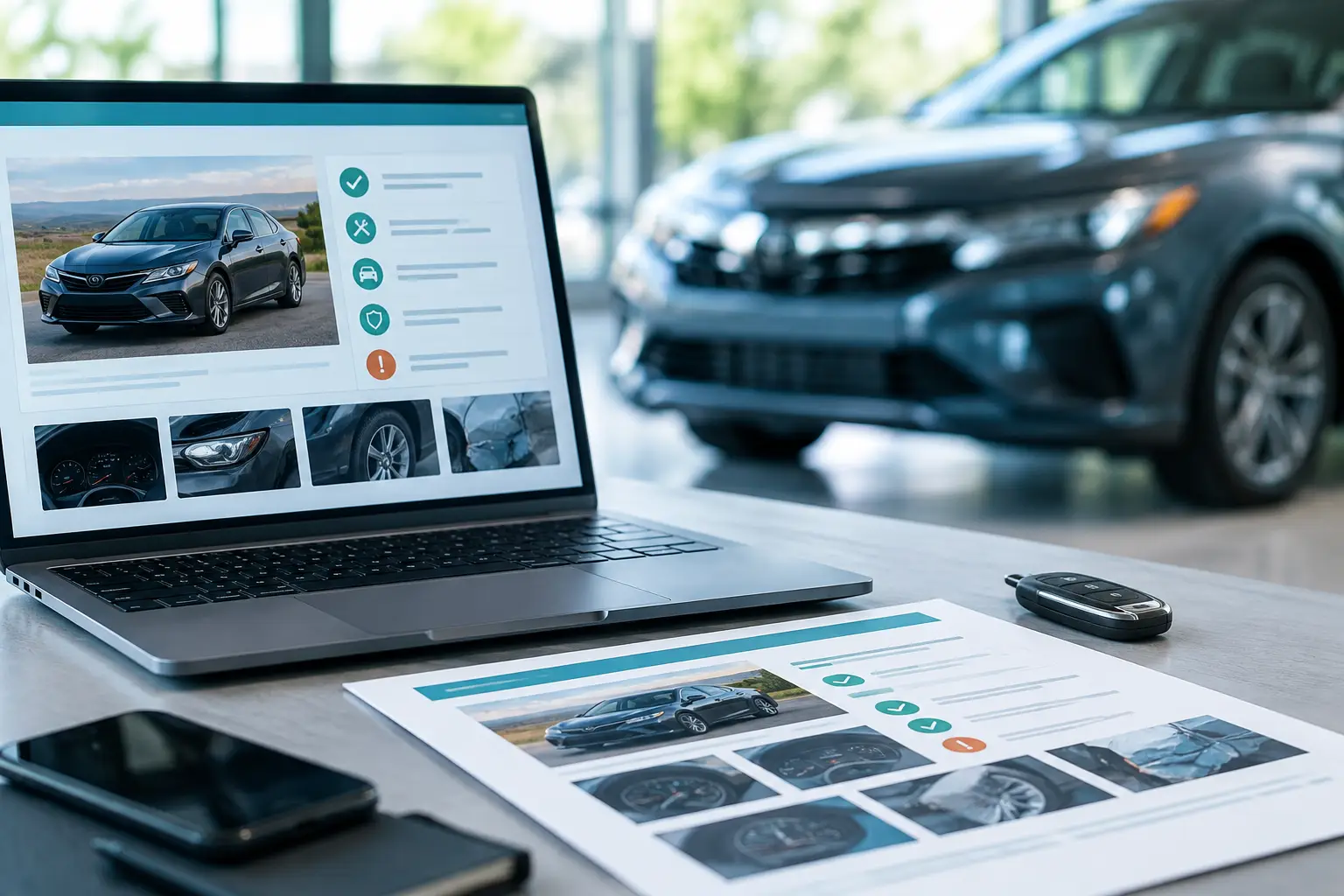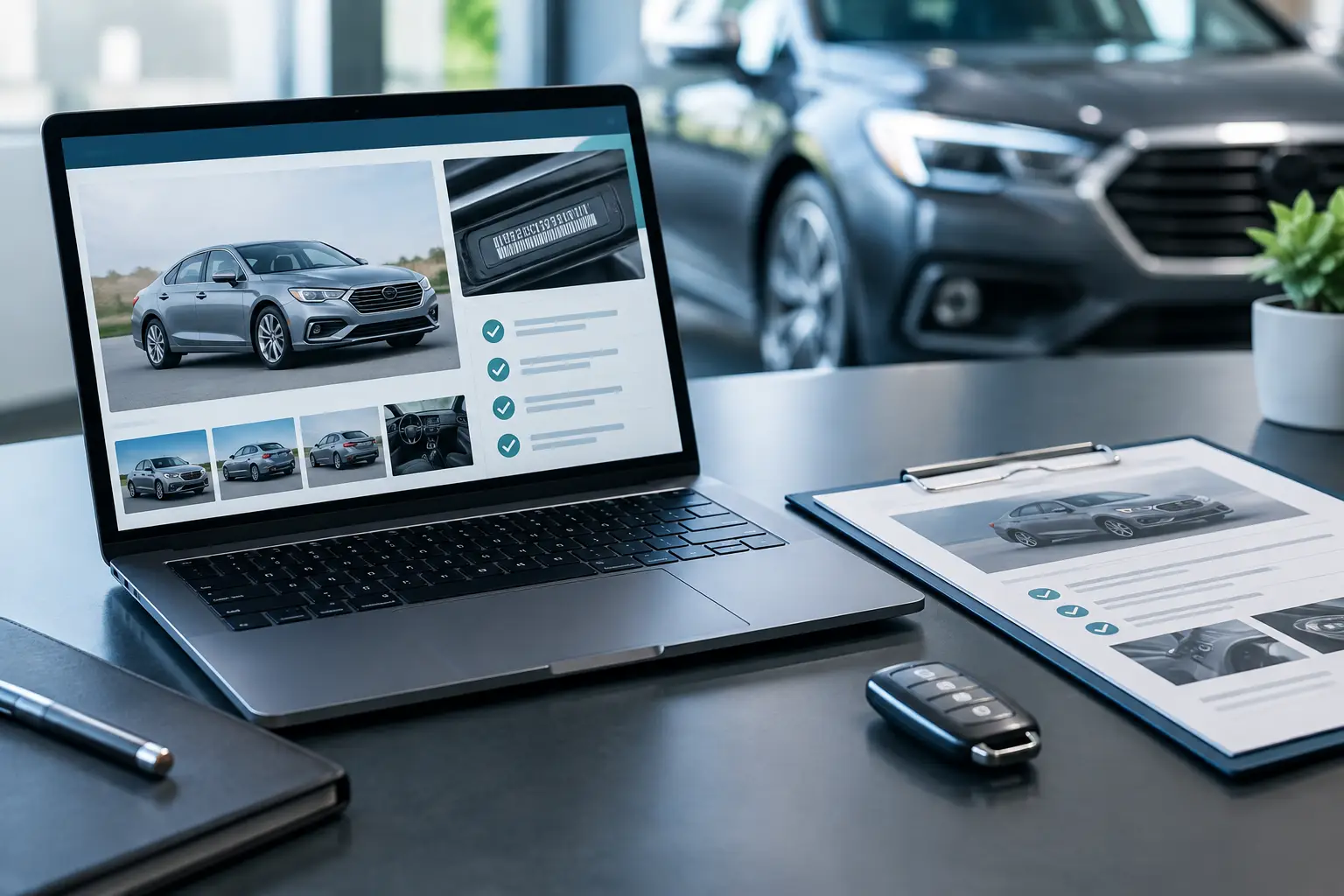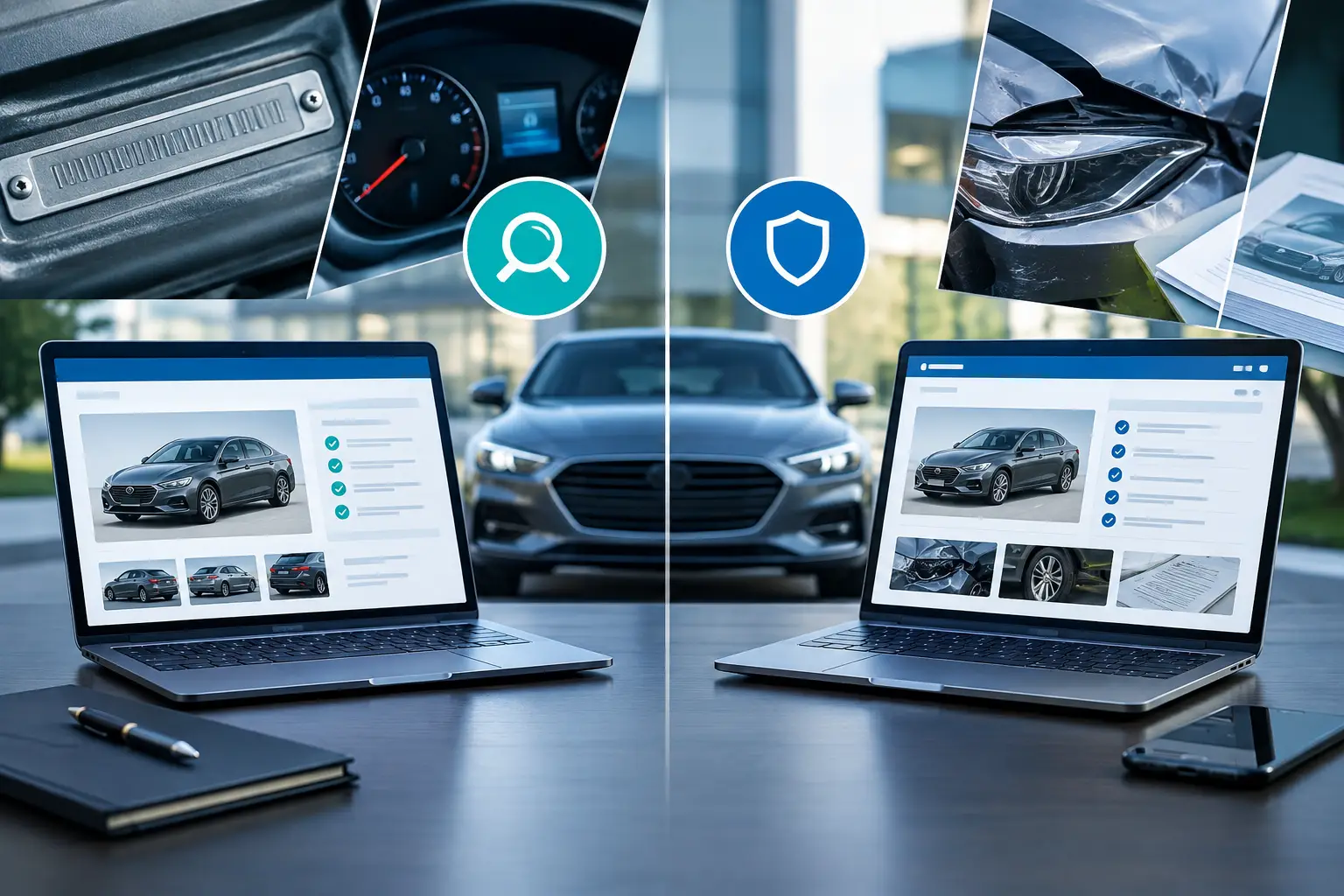
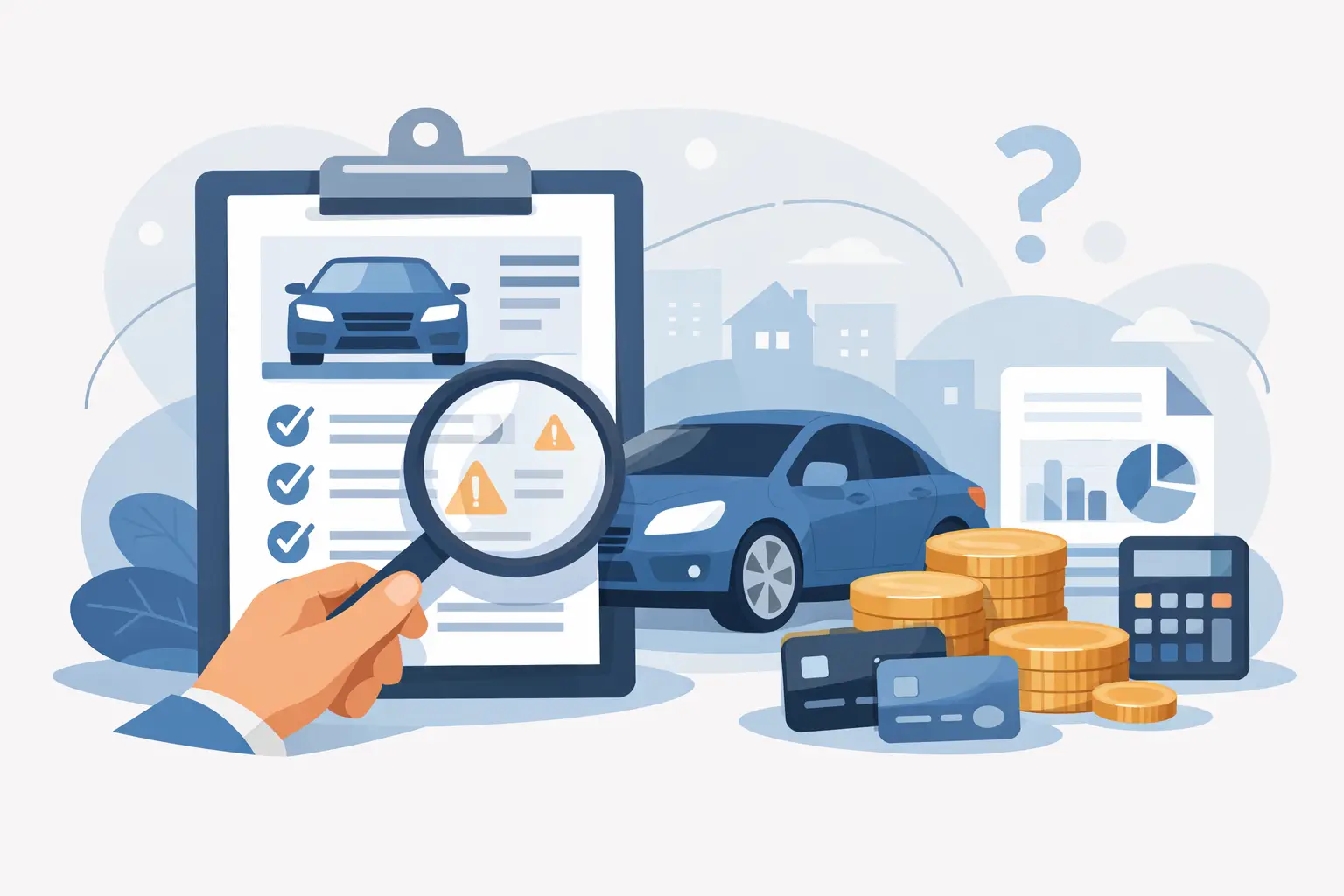
A clean-looking used car can hide a branded title, mileage rollback, unrepaired damage, or a theft record that never came up in the seller's pitch. That is the real answer behind why do vehicle history reports cost money: you are not paying for a PDF. You are paying for verified data, record matching, system maintenance, and a faster way to spot risk before it becomes your problem.
If a report were just a simple VIN lookup, it would be cheap or free across the board. But a serious vehicle history report pulls from multiple data sources, standardizes records that were never created in the same format, checks them against the correct vehicle, and presents the results in a way buyers, dealers, and fleet teams can actually use. That process has real cost attached to it.
Why do vehicle history reports cost money in the first place?
The short version is data licensing. Many of the records that matter most in a vehicle history report come from commercial, government, insurance, auction, service, and industry databases that are not free to access or maintain. A report provider often pays to receive, clean, store, and continuously update those records.
Then there is the work after the data arrives. Vehicle records are messy. One source may list a car as a total loss, another may record damage from an auction announcement, and another may show a salvage title issued months later. Those records have to be matched to the right VIN, organized in a logical timeline, and filtered for duplication or obvious errors. That is part of the value users are paying for.
A reliable provider is also paying for infrastructure. VIN decoding systems, search tools, security controls, fraud prevention, API integrations, dashboard functionality, and customer support are not free. If a platform lets you compare multiple vehicles, save reports, export findings, or use a risk score to interpret the records faster, that adds another layer of product development and operating cost.
What you're actually paying for
A paid vehicle history report is a data product, but it is also a decision tool. The price reflects both sides.
First, you are paying for access to records that are expensive to source. Title brands, lien records in some cases, accident events, odometer readings, auction announcements, theft and recovery information, ownership history, recall checks, and market-related valuation data may all come from different channels. Some are public in theory but difficult to access at scale. Some are private and licensed. Some are incomplete unless combined with other records.
Second, you are paying for verification and structure. Raw data by itself is not very helpful if it is confusing or contradictory. A good report turns fragmented records into a readable history. It tells you whether an airbag deployment was reported, whether a mileage entry looks inconsistent, whether a title changed states, or whether ownership activity appears unusual.
Third, you are paying for speed. Buyers and dealers rarely have time to cross-check five databases manually. If you are evaluating multiple units in a day, the value is not just the report itself. It is the time saved in screening out obvious risks quickly.
Free VIN checks vs. paid history reports
This is where a lot of confusion starts. A free VIN lookup can absolutely be useful. It may confirm basic vehicle specifications, engine details, trim, manufacturing data, and open recalls. That information helps identify the vehicle, but it does not necessarily tell you what happened to it.
A paid report usually goes further into risk-sensitive categories such as title brands, prior damage disclosures, auction records, odometer readings, theft activity, and ownership history. That is why two tools can both claim to be VIN-based while offering very different levels of value.
Free tools are often designed as entry points. They help users verify that a VIN is valid or learn a vehicle's base details before deciding whether a deeper check is worth buying. That model makes sense. It keeps basic information accessible while reserving more expensive record aggregation for paid users.
Why some reports seem expensive for "just one car"
From a buyer's perspective, paying for one report can feel annoying, especially after inspection fees, taxes, registration costs, and financing expenses. But the economics look different when you compare the report cost to the downside of a bad purchase.
If a report reveals a salvage brand, a prior total loss, a title issue, or suspicious mileage, it may save you thousands of dollars immediately. Even when the report does not show a major red flag, it can help you negotiate with evidence instead of guesswork. A record of prior damage or multiple ownership transfers can change what a vehicle is worth and how comfortable you feel moving forward.
That said, not every paid report delivers equal value for every user. A one-time private buyer may only need a few reports during a shopping window. A dealer, auction buyer, or fleet manager often needs to process many VINs and compare them quickly. In that context, per-report pricing can become inefficient, which is why some platforms now offer dashboard-based workflows and multi-vehicle tools instead of treating every VIN as a standalone transaction.
The hidden cost is data quality
When people ask why do vehicle history reports cost money, they are often really asking why the same VIN can look different across providers. The answer is that data coverage, source mix, update frequency, and interpretation standards vary.
No provider has a perfect view of every event in a vehicle's life. Not all accidents are reported. Not every repair shop feeds data into national systems. Some state records update slowly. Some damage appears at auction before it appears anywhere else. That means a report's value depends heavily on how broad the provider's data network is and how well it translates incomplete records into something actionable.
Better coverage usually costs more to build and maintain. More source relationships, more data normalization, and more frequent updates all raise operating costs. Cheap reports may still help, but there is often a trade-off between price and depth.
Why professionals care about report design, not just report access
For dealers and fleet teams, the cost question is not only about one VIN. It is about workflow. If your team is evaluating 20 vehicles in a day, reviewing disconnected reports one by one creates friction. You lose time switching tabs, comparing timelines manually, and trying to remember which unit had the cleaner title history or lower ownership churn.
That is where report platforms earn their keep. A system that lets you save, sort, compare, and export multiple vehicles can cut decision time significantly. A risk-based score can also help teams prioritize which units need deeper review. Used well, that reduces wasted labor and helps buyers focus attention where it matters.
This is one reason platforms like DriveEvidence position paid reporting as more than document access. The value is not just the records. It is the ability to turn records into decisions faster.
When paying for a vehicle history report is worth it
It is usually worth paying when the vehicle is expensive, the seller is unfamiliar, the history feels incomplete, or the deal looks a little too good. It is also worth it when you are buying across state lines, from an auction, or from a marketplace where listings move fast and details are thin.
It matters less when the report only confirms what you already know from a trusted source and the car has strong documentation, but even then, a report can catch things the seller did not mention or did not know. The better way to think about it is not "Do I need a report every time?" but "What is the cost of being wrong on this vehicle?"
The answer changes by situation. A $6,000 commuter car and a $60,000 truck do not carry the same downside. Neither does a personal purchase compared with a dealer stocking inventory at scale.
A paid report is not a guarantee
This part matters. Paying for a vehicle history report does not buy certainty. It buys better visibility.
A report should be used with a pre-purchase inspection, a test drive, and a close review of title and seller documents. If the report is clean but the car shows signs of repainting, uneven panel gaps, warning lights, or inconsistent service records, trust the full picture, not a single source.
The strongest buying decisions come from layered verification. Vehicle history reports are one of the most efficient layers because they can expose issues before you spend more time or money.
A smart buyer does not pay for a report because it is mandatory. A smart buyer pays for it because hidden problems are expensive, and proof is cheaper than regret.