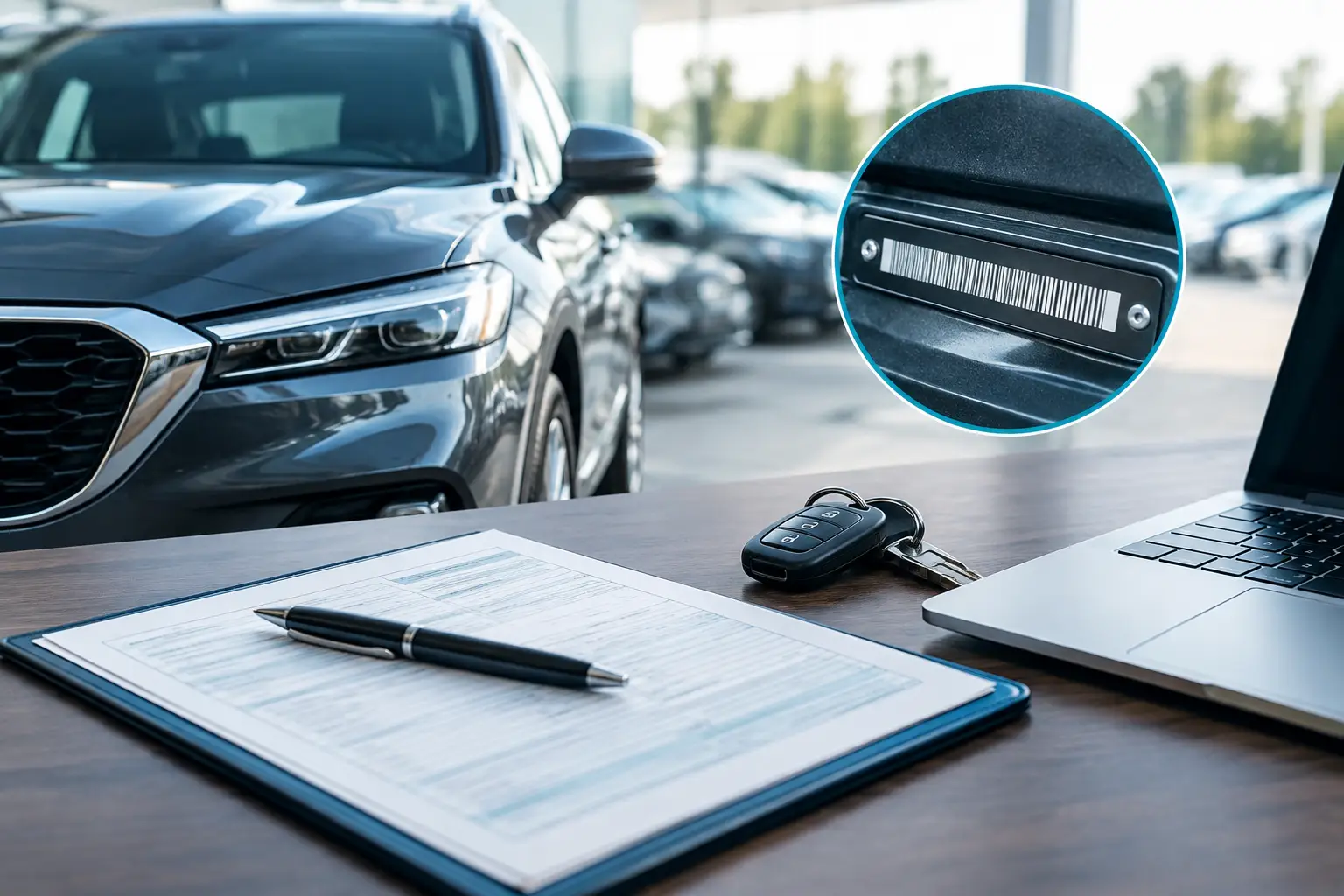
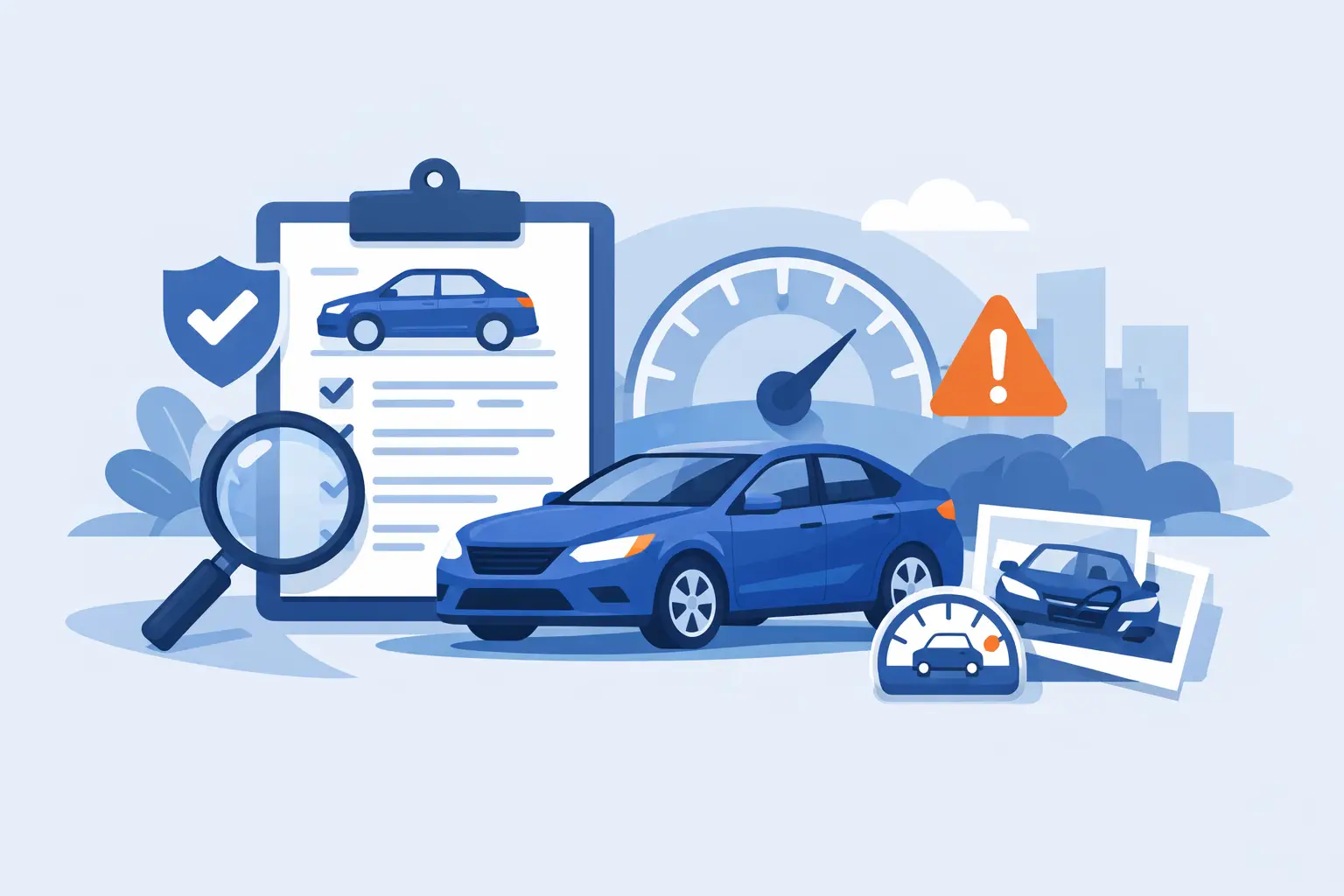
A clean-looking used car can still hide a salvage title, rolled-back mileage, or damage that never shows up in a seller's photos. That is why people ask, what is car history report information really telling you, and how much can you trust it before spending thousands on a vehicle.
The short answer is this: a car history report is a VIN-based record that pulls together available data about a vehicle's past. It is designed to help you verify what a seller says, spot risk faster, and avoid expensive surprises. For buyers, dealers, and fleet teams, it is one of the first filters that separates a promising vehicle from one that needs more scrutiny.
What Is a Car History Report?
A car history report is a document generated from a vehicle identification number, or VIN, using records collected from multiple data sources. Depending on the provider and report level, it may include title history, accident records, damage reports, theft records, registration events, ownership history, mileage readings, recall information, and core vehicle specifications.
Think of it as an evidence file, not a sales sheet. Its job is not to make a car look good. Its job is to show what has been recorded about that car over time so you can make a better decision.
That distinction matters. A listing tells you what the seller wants you to notice. A history report shows what the records say happened.
What a Car History Report Usually Includes
Not every report is built the same way, but the strongest ones focus on records that affect value, safety, and fraud risk.
Title status and title brands
This is one of the first sections experienced buyers check. A title can reveal whether a car has been branded as salvage, rebuilt, flood-damaged, lemon, junk, or another state-defined status. A title issue can affect insurability, financing, resale value, and whether the car should be considered at all.
A seller may describe a car as repaired and road-ready, and that may be true. But if the title carries a brand, that fact changes the deal. It affects price, risk, and future marketability.
Accident and damage history
This section may show reported collisions, structural damage, airbag deployment, or other incidents. It can help you understand whether the car had a minor cosmetic repair or something more serious.
There is nuance here. A single accident record is not always a deal-breaker. A well-repaired vehicle with proper documentation can still be a solid buy. On the other hand, multiple damage events, structural impact, or vague entries with no repair proof should slow you down.
Odometer and mileage records
Odometer fraud is still a real problem. A history report can compare mileage entries over time and flag possible rollback or inconsistency. Even if the current odometer reading looks reasonable, the pattern matters more than the number on the dashboard.
If a car suddenly shows fewer miles than it had at a previous registration or service event, that is a major red flag. It does not always mean intentional fraud, but it does mean the vehicle needs more verification before money changes hands.
Ownership and registration history
This part can show how many owners the car had, where it was registered, and how often ownership changed. A one-owner vehicle is often marketed as a premium, but the real value is context.
A car with multiple short ownership periods may deserve closer inspection. It could be nothing. It could also mean repeated issues, auction movement, or instability in the vehicle's history.
Theft and recovery records
If a vehicle was reported stolen and later recovered, that can appear in a report. This matters for legal, financial, and insurance reasons. It can also raise questions about missing parts, damage, or title complications after recovery.
Specs, recalls, and safety information
Many reports also include factory specifications, trim details, engine data, safety ratings, and open recalls. These details help confirm the vehicle is what the listing claims it is and whether unresolved safety issues still need attention.
Why Car History Reports Matter Before You Buy
Used vehicle decisions are often made under pressure. A seller says there are other buyers. An auction lane moves fast. A dealership team is reviewing multiple trade-ins in one afternoon. In those moments, a history report helps replace guesswork with proof.
For individual buyers, the biggest benefit is protection. It helps you catch hidden issues before you overpay for a vehicle that carries more risk than its listing suggests.
For dealers and inventory teams, the benefit is speed with discipline. Instead of manually piecing together title details, mileage records, accident notes, and safety data from scattered sources, a report centralizes key facts so you can qualify inventory faster.
For fleet managers, a report supports lifecycle decisions. It helps with acquisition screening, remarketing, and verifying whether a vehicle's condition and background match its intended use.
In every case, the core value is the same: better decisions, fewer surprises.
What a Car History Report Does Not Tell You
This is where buyers need realistic expectations. A car history report is powerful, but it is not magic.
It only reflects events that were actually recorded and made available through contributing data sources. If a car was damaged and repaired privately with no insurance claim, no police report, and no recorded service trail, that event may never appear. If a seller skipped documentation or a repair happened off the books, the report can look cleaner than the real story.
That is why a clean history report does not automatically mean a clean car.
It also does not replace a pre-purchase inspection. A report can flag known risks, but it cannot tell you the current condition of the transmission, brakes, frame alignment, suspension wear, or whether flood damage left behind electrical problems that only show up later.
The best buying process uses both. Start with the record. Then verify the machine.
How to Read a Car History Report the Right Way
The biggest mistake is treating every negative entry as equal. The second biggest mistake is ignoring patterns.
A minor accident from six years ago with steady mileage, a clean title, and documented ownership is very different from a car with title brand issues, inconsistent odometer readings, and repeated damage entries across multiple states.
Start with the highest-risk categories first: title status, odometer consistency, theft history, and structural or severe damage indicators. Then look at the timeline. Does the story make sense from one event to the next? Are there long gaps where key details are missing? Does the seller's description match the record?
Finally, compare the report with the asking price. If a vehicle carries more history risk than similar listings, the price should reflect that. If it does not, move on or negotiate from evidence, not emotion.
What Makes One Report Better Than Another
The quality of a car history report depends on data coverage, clarity, and how easily you can act on the information.
A useful report does more than dump raw records onto a page. It organizes them into a timeline, highlights red flags, and helps you judge the overall risk without forcing you to decode every line item on your own.
That is especially important when you are comparing multiple vehicles. Reviewing one report in isolation is manageable. Reviewing eight trade-ins, three auction units, or four similar SUVs for your family gets messy fast if each report lives in a separate silo.
This is where a platform approach is stronger than the traditional one-report model. Tools like DriveEvidence combine verified vehicle data with a clearer risk signal, such as a score, and let users save, compare, sort, and export multiple vehicles in one dashboard. For both consumers and professionals, that means less switching, less guesswork, and a faster path to a confident decision.
When a Car History Report Should Change Your Decision
Sometimes the report confirms a good opportunity. Sometimes it tells you to slow down. Sometimes it tells you to walk away.
You should take a harder look when the report shows title brands, mileage inconsistencies, theft records, repeated ownership churn, major accident history, or records that do not match what the seller claimed. None of these automatically kills the deal, but each one raises the standard for proof.
The right next step depends on the severity of the issue. You may need repair invoices, a lower price, an independent inspection, or a different vehicle altogether. Smart buyers do not ask whether a car history report is perfect. They ask whether the report gives enough verified evidence to justify the risk.
That is the real purpose behind the question, what is car history report value. It is not just a document. It is a decision tool. Use it early, read it critically, and let the facts protect your money before the keys are in your hand.