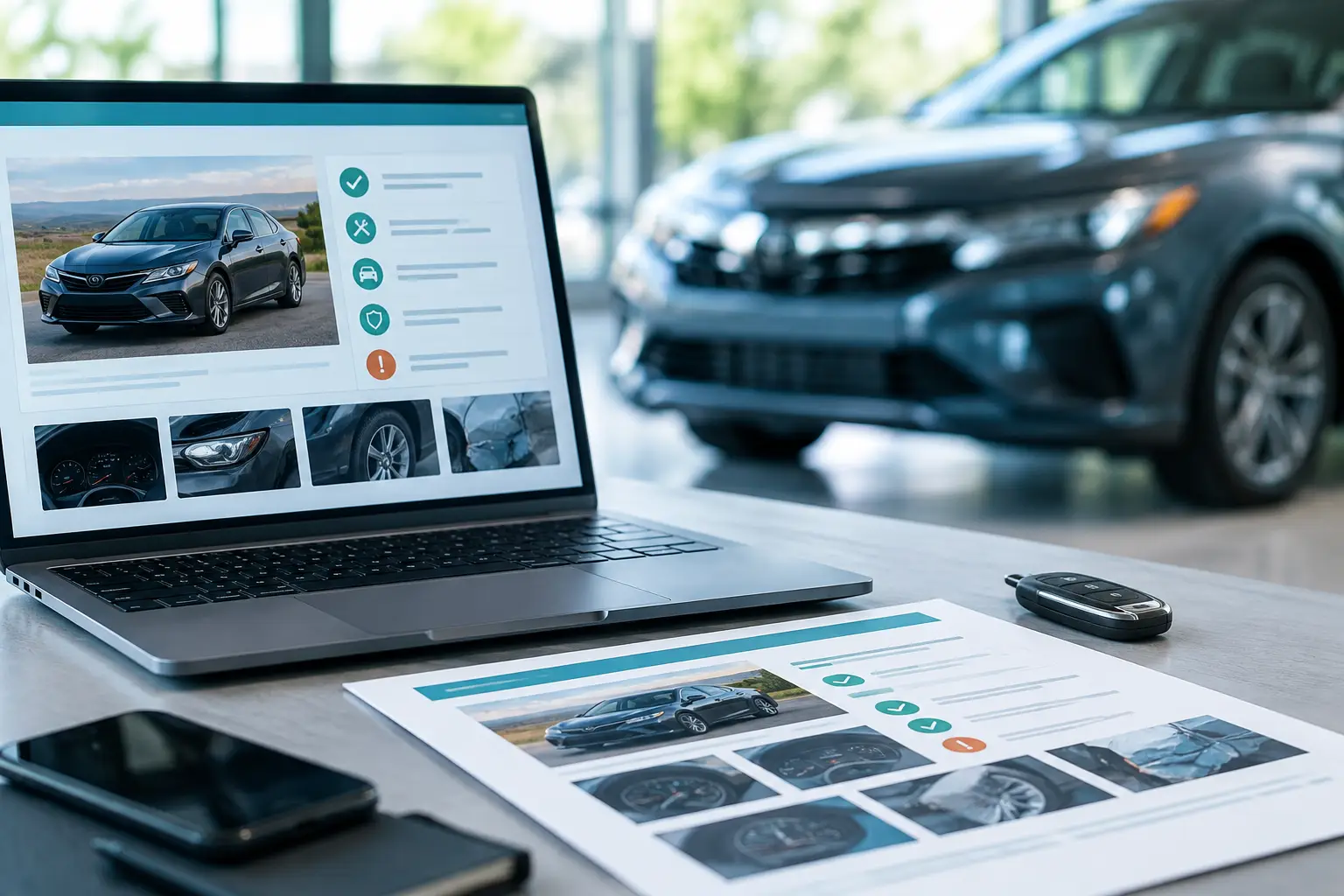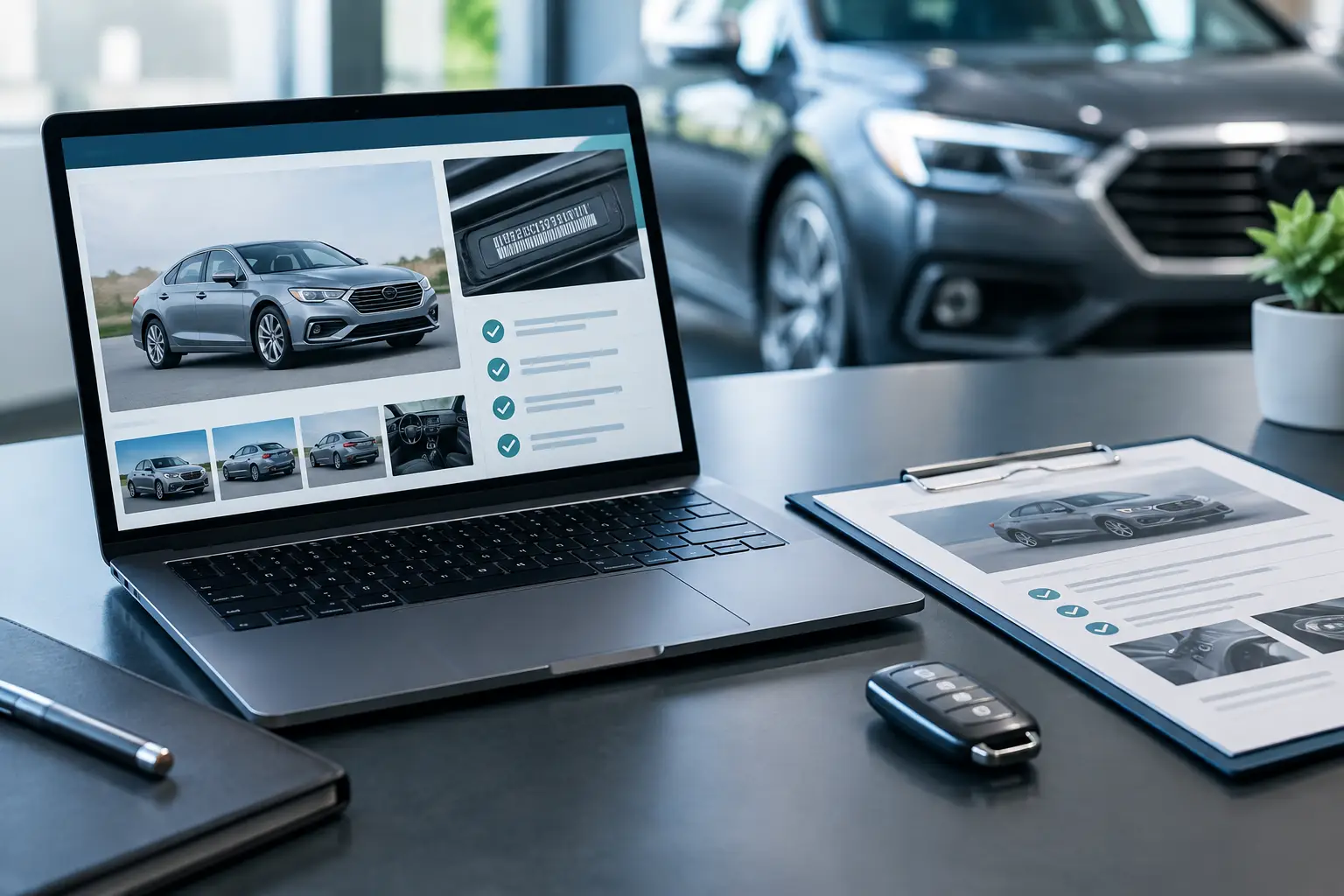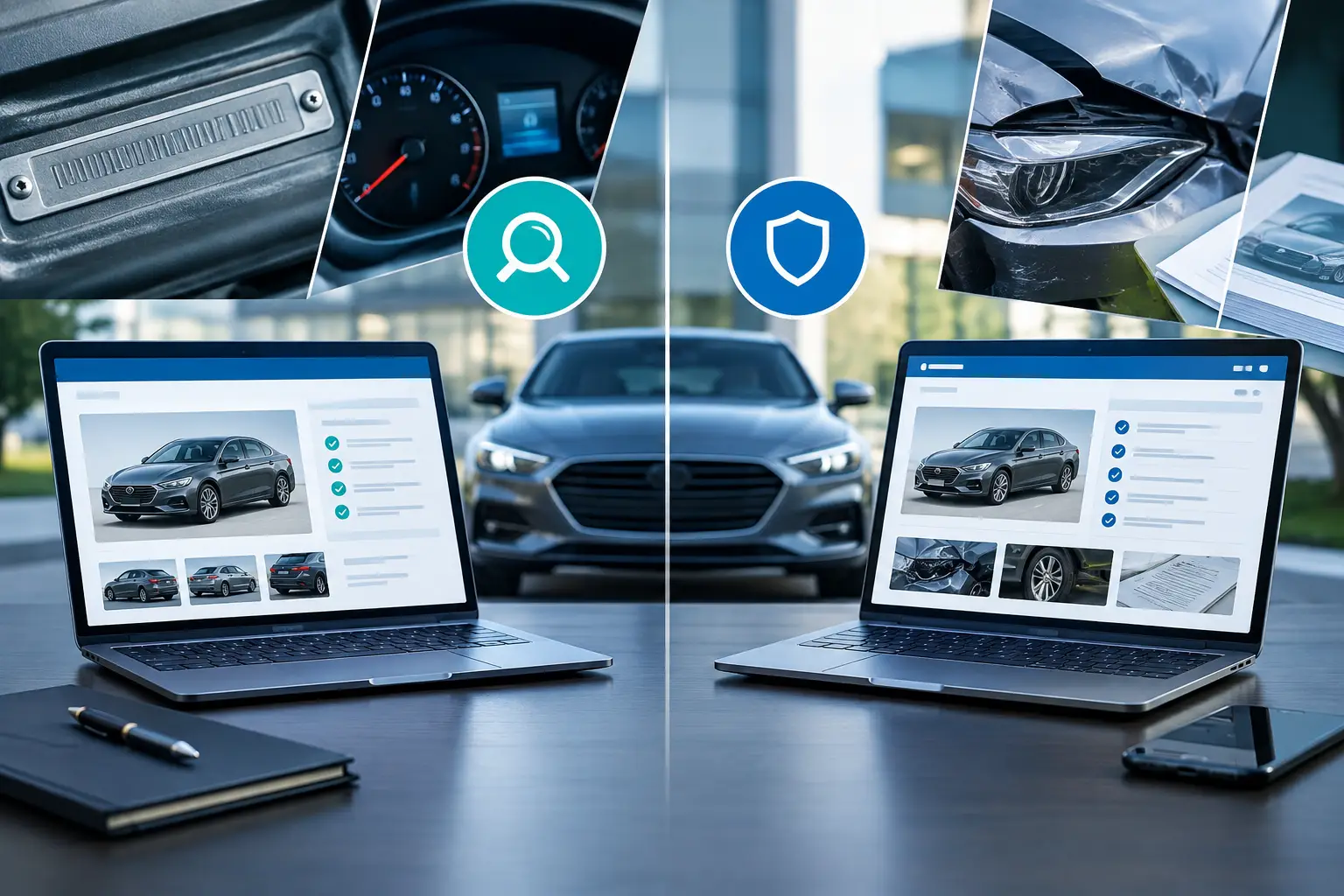
A clean title, shiny photos, and a seller saying the car has a “clean history” can push buyers to move too fast. That is exactly why people ask what companies provide vehicle history reports. The short answer is several companies do, but they do not all pull the same records, present risk the same way, or fit the same buying workflow.
If you are buying one car, evaluating auction inventory, or screening multiple fleet units, the provider matters almost as much as the report itself. A vehicle history report is only useful if it helps you spot title problems, damage records, mileage concerns, theft activity, and recall issues before money changes hands.
What companies provide vehicle history reports
In the US market, the best-known vehicle history report providers include CARFAX, AutoCheck, the National Motor Vehicle Title Information System-related services, and newer VIN data platforms that combine multiple records into a broader decision tool. Some providers focus on consumer-friendly single reports. Others are built for dealers, high-volume buyers, or side-by-side vehicle comparison.
That distinction matters. Two reports can both claim to show history, yet one may be better at surfacing auction activity while another is better at organizing title brands, accidents, specifications, and recall data in one place. The question is not only who provides reports. It is what those companies actually help you verify.
CARFAX
CARFAX is the name many retail buyers know first. It has strong consumer awareness and is commonly displayed on dealer listings. For shoppers, that familiarity can feel reassuring.
Its reports typically include title history, accident indicators, service and maintenance records when available, odometer readings, ownership history, and some registration data. The strength of CARFAX is that it is easy for first-time buyers to recognize and understand. The trade-off is cost if you are checking several vehicles, and like any provider, it can only report what has been recorded and shared with its network.
AutoCheck
AutoCheck is another major provider and is especially common in dealer and auction environments. Many professionals use it because it has broad market acceptance and includes a scoring model that helps compare one vehicle against similar units.
It is often favored when buyers want a quick read on title events, auction history, reported accidents, and mileage records. Some users prefer it for wholesale workflows. Still, a score alone should never be the final decision-maker. A report needs context, especially when a vehicle has gaps, inconsistent mileage, or damage that may not have triggered an insurance claim.
NMVTIS-based services
The National Motor Vehicle Title Information System, or NMVTIS, is a federal database used to help reduce title fraud and prevent stolen vehicles from being resold unnoticed. Several companies provide reports that pull from NMVTIS data.
These services can be useful for checking title brands, junk or salvage records, theft records, and state title information. They are often lower cost than major branded reports. But they are usually narrower in scope. If you want a fuller buying picture, including market context, ownership patterns, equipment details, open recalls, and easier comparison across multiple vehicles, an NMVTIS-only report may feel limited.
Newer vehicle intelligence platforms
A newer category has emerged around broader vehicle intelligence rather than just static history files. These platforms use VIN-based reporting but may also layer in market values, specifications, recall information, safety data, and internal scoring to help users act faster.
For buyers and dealers working through more than one VIN, this can be the better fit. Instead of opening disconnected reports one by one, they can compare vehicles side by side, sort by risk, and focus attention where the red flags are strongest. That is especially useful when time is tight and inventory decisions need to be defensible.
Why vehicle history companies do not all show the same thing
A common mistake is assuming every provider sees the exact same database. They do not. Vehicle history companies rely on different combinations of DMV records, insurance data, repair and service sources, salvage auctions, law enforcement databases, lender activity, emissions inspections, and other commercial or public records.
That means one report may show an accident while another only shows a title event. One may display maintenance visits while another says nothing at all. A missing record does not always mean a clean car. It may simply mean the incident was never reported into that provider’s data stream.
This is where buyers get into trouble. They treat a report like a guarantee instead of a risk tool. The better approach is to use the report to verify claims, identify inconsistencies, and decide whether the car deserves deeper inspection.
What to look for beyond the company name
When comparing what companies provide vehicle history reports, focus less on the logo and more on the proof. Start with title status. Clean, salvage, rebuilt, flood, lemon, and other title brands can affect value, financing, insurability, and long-term resale.
Next, check accident and damage records carefully. Not every damage event is equal. A minor cosmetic claim is different from structural damage, airbag deployment, or repeated collision entries over time. Ownership history also matters. A one-owner vehicle is not automatically better, but frequent transfers in a short period can be worth a closer look.
Mileage and odometer records deserve special attention. Odometer rollback is not always obvious from the dashboard. A good report can show timeline inconsistencies or readings that do not make sense. Theft records, recovery data, open recalls, and market valuation should also factor into the decision.
For many buyers, usability is the hidden difference. If a provider gives you a long report but makes it hard to compare two or three vehicles, the process slows down right when you need clarity. Professionals feel this even more when reviewing inventory at scale.
Which provider is best for different buyers
If you are a first-time retail shopper buying one car from a private seller, a widely recognized report provider may be enough to get started. You want something readable, fast, and strong on the basics. But you should still pair it with a pre-purchase inspection.
If you are an independent dealer or auction buyer, the best provider is usually the one that helps you process multiple VINs efficiently and compare risk across units. Speed matters, but so does consistency. You need data you can review, sort, and export without rebuilding your workflow every time.
Fleet managers have another layer to consider. They are not just checking one purchase decision. They are managing exposure across many vehicles, often with internal reporting needs. In that case, dashboards, batch lookup capability, and standardized scoring become more valuable than a familiar consumer brand name.
This is where a platform like DriveEvidence fits naturally. Instead of stopping at a single report, it helps users verify records, compare multiple vehicles side by side, and use a clear risk score to quickly identify where deeper review is needed.
What a vehicle history report cannot do
Even the best company cannot report what was never documented. Cash repairs, unreported collisions, hidden flood damage, cloned VIN schemes, and title washing can still slip through if you rely on one source alone.
That is why a smart buying process combines the report with the VIN on the car, seller documents, service records, photos, market pricing, and an independent inspection. If the seller resists that process, treat it as a signal. Good vehicles can survive scrutiny. Problem vehicles usually depend on urgency and missing paperwork.
How to choose a report provider without wasting money
Start with your workflow. If you are checking one vehicle, paying for a single premium report may make sense. If you are comparing five, ten, or fifty vehicles, the better value often comes from a platform that lets you organize and review them together.
Then look at the actual fields you care about. Do you need title brands and theft checks only, or do you also need accidents, ownership history, recall data, valuations, and specifications? The right company is the one that closes your decision gaps, not the one with the loudest brand recognition.
Finally, think about how you will act on the information. A report should reduce uncertainty and make the next step obvious. Inspect it, negotiate harder, walk away, or move forward with confidence. If the data is too fragmented to support a decision, the report has not done enough.
The best vehicle history company is the one that helps you see risk before it becomes your problem. Buy with proof, not assumptions.