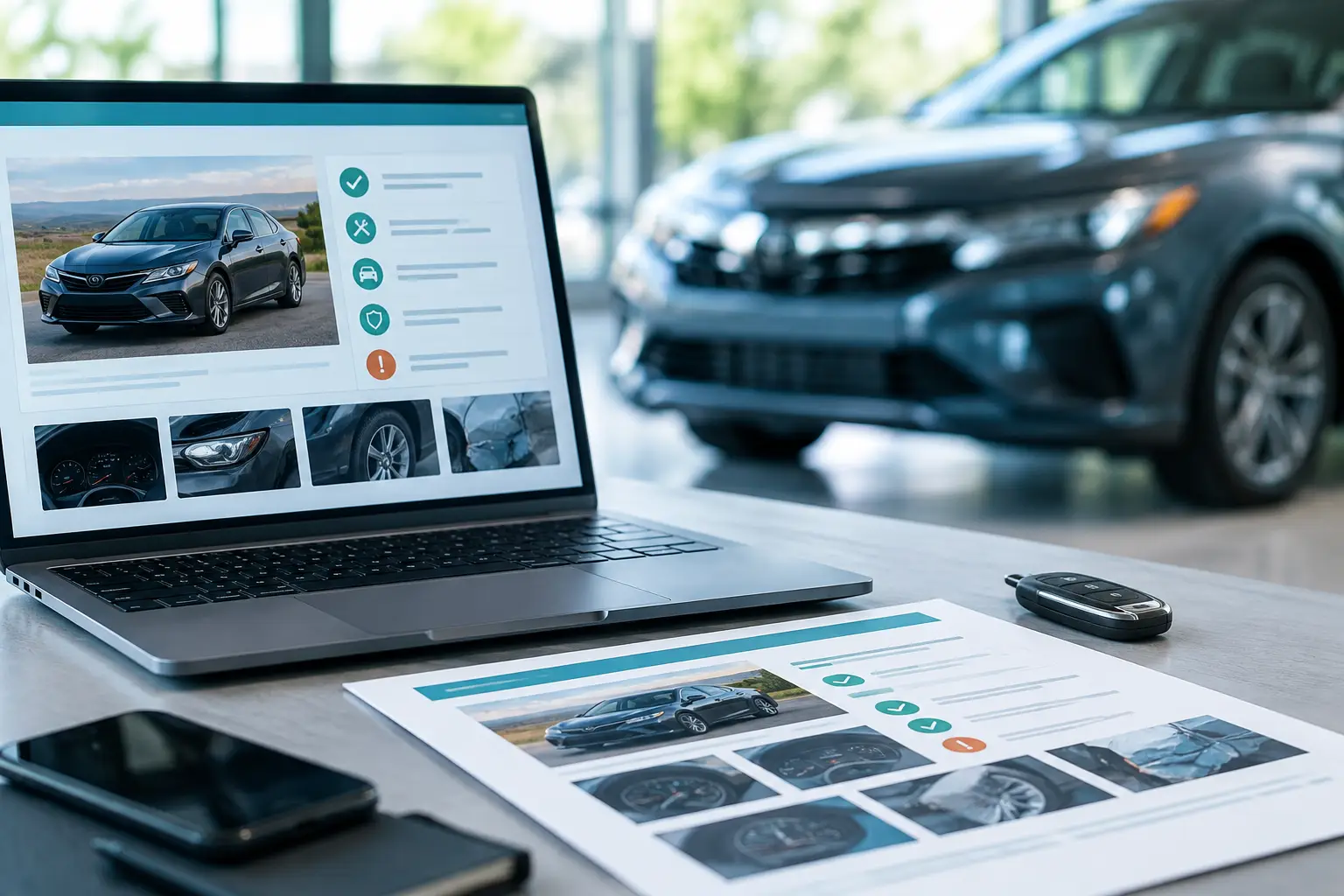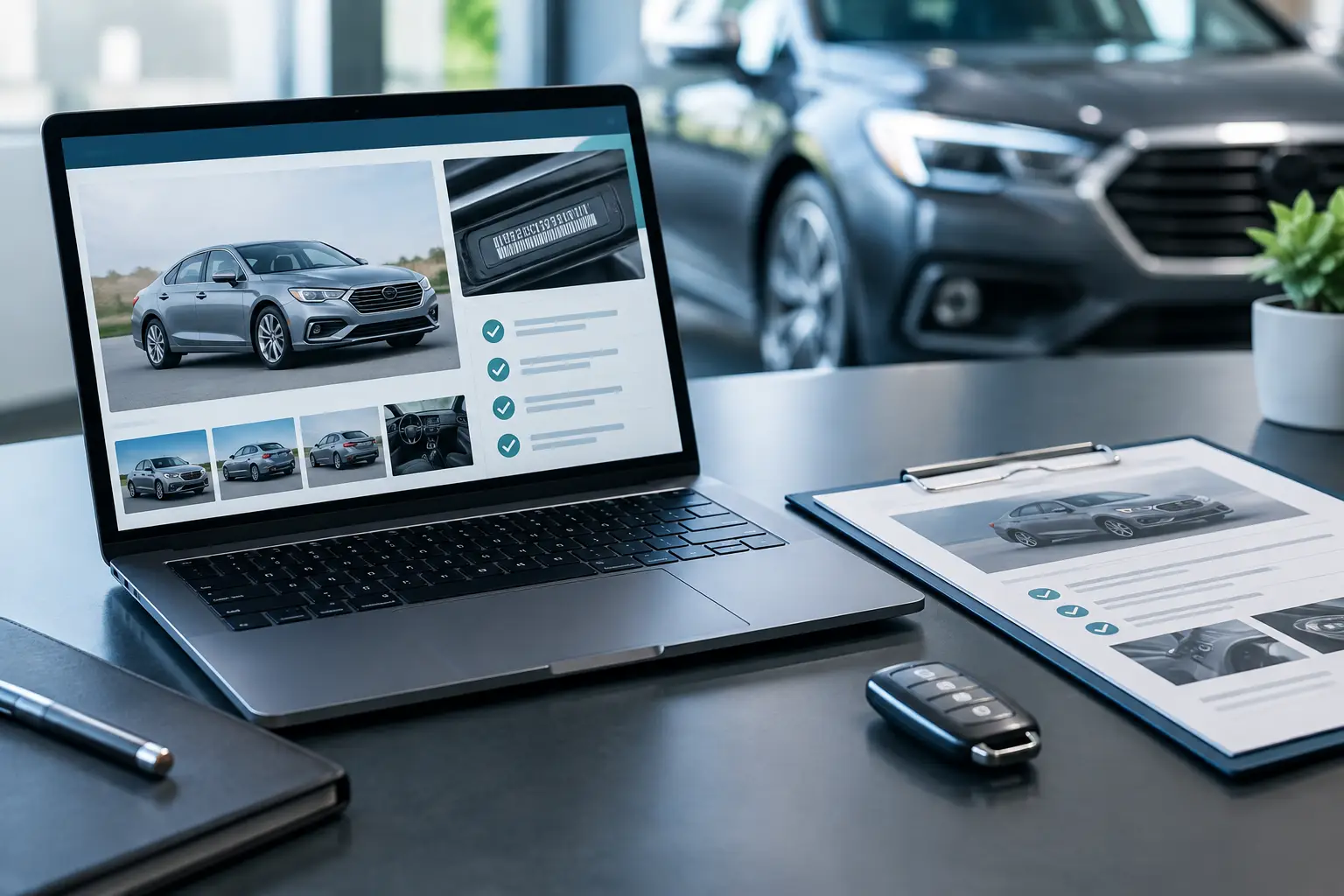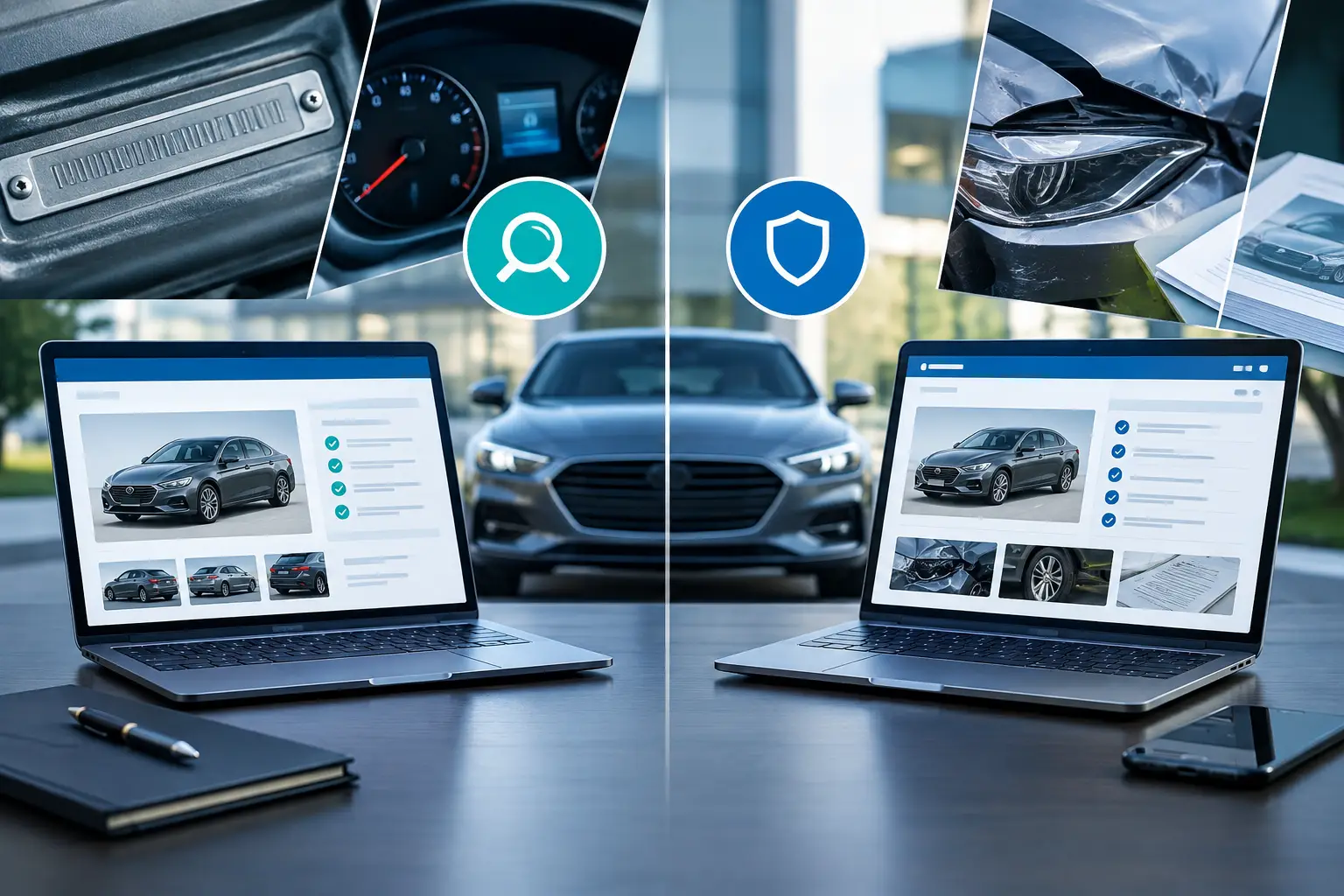
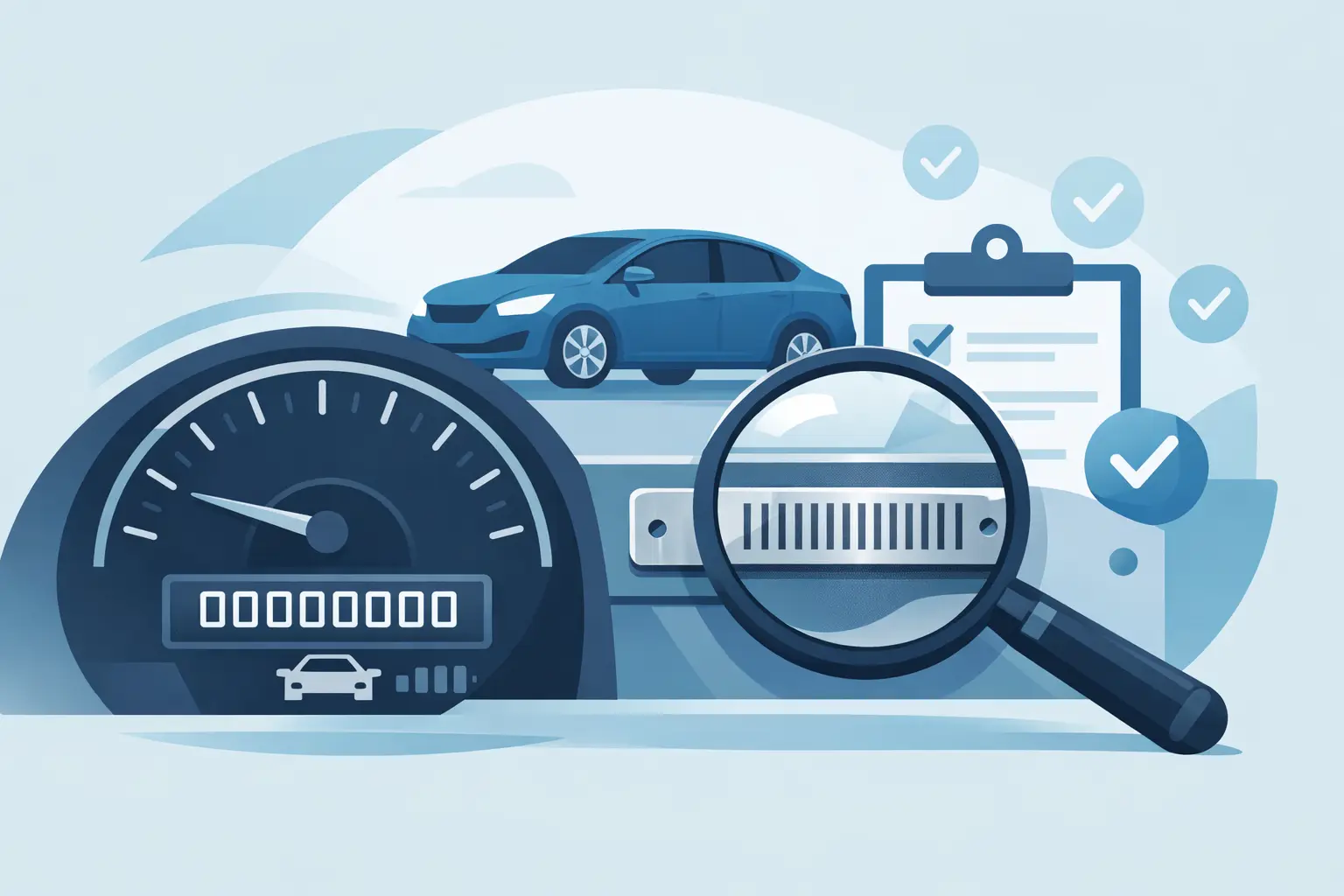
A used car can look clean, drive well, and still carry a mileage story that does not add up. That is why vin number and odometer verification matters before money changes hands. If the mileage is wrong, the price, maintenance timeline, resale value, and even the risk profile of the vehicle can all be wrong too.
Mileage fraud is not always dramatic. Sometimes it shows up as a rollback. Sometimes it appears as a gap, a typo, or a cluster of records that do not match the wear on the vehicle. For buyers, that can mean overpaying for a car with more use than advertised. For dealers, it can mean taking in inventory with hidden exposure. For fleet managers and auction buyers, it can distort replacement schedules and total cost assumptions.
What vin number and odometer verification actually checks
At a basic level, VIN number and odometer verification ties the vehicle's unique identifier to reported mileage records over time. The VIN anchors the search. The odometer data comes from title transactions, registration events, inspections, service records, auctions, emissions checks, and other reporting sources when available.
The goal is not just to confirm one mileage number. It is to test whether the history forms a believable sequence. A vehicle that shows 82,000 miles today but recorded 96,000 two years ago has a clear problem. A vehicle with a long reporting gap is less obvious, but still worth extra scrutiny. Verification is about consistency, not just a single reading.
That distinction matters because odometer issues are not always fraud in the criminal sense. Clerical mistakes happen. Instrument clusters get replaced. A record may be entered in kilometers and later interpreted as miles. Still, the practical impact is the same until the discrepancy is explained with documentation.
Why mileage accuracy changes the whole deal
Mileage affects more than sticker price. It shapes how a vehicle should be evaluated across service life, wear, and future value.
A 60,000-mile truck and a 120,000-mile truck can have the same paint, same trim, and same sales pitch. They do not have the same expected brake wear, suspension fatigue, drivetrain stress, or near-term maintenance costs. If the odometer history is off, your pricing model is off with it.
For retail buyers, that often means paying premium money for a vehicle that should be discounted. For dealerships, it can create appraisal mistakes, bad trade-in decisions, and customer disputes later. For fleet operators, inaccurate mileage can disrupt maintenance forecasting and replacement timing. In every case, verification protects the decision before it becomes a cost.
Common red flags in VIN number and odometer verification
Some issues are obvious. Others only appear when the records are laid out in order.
The clearest red flag is a rollback, where a later record shows fewer miles than an earlier one. Another warning sign is an unexplained jump that seems too large for the time between records. If a vehicle adds 40,000 miles in six months, that may be possible for commercial use, but it deserves context.
Pay attention to title branding and transfer timing as well. A mileage discrepancy tied to title events can signal paperwork issues, disclosure problems, or attempts to mask prior usage. A salvage or rebuilt history does not automatically mean the odometer is wrong, but it raises the need for tighter review.
Then there is the physical reality check. Pedal wear, seat condition, steering wheel shine, button fading, and service sticker history should roughly match the reported mileage. They are not proof by themselves, but they can support or challenge the record trail.
What a verification result can and cannot prove
This is where many buyers get tripped up. A clean odometer history is useful, but it is not a guarantee that every mile ever driven was perfectly recorded. Verification depends on available reporting. If a vehicle spent years in places or situations with limited data capture, the history may be incomplete.
That does not make the report weak. It just means you should read it as evidence, not magic. Strong verification reduces uncertainty. It does not erase it.
On the other side, a flagged discrepancy does not always mean intentional tampering. It means the file needs explanation. Supporting repair invoices, instrument cluster replacement records, state disclosure forms, and seller documentation can sometimes resolve the issue. If they cannot, the safer move is usually to price for risk or walk away.
How buyers should use VIN and odometer records before purchase
Start early, before the test drive if possible. If the seller hesitates to share the VIN, that is already useful information. Run the VIN, review the mileage timeline, and compare it against the current odometer reading in the listing or on the dash.
Next, match the history against the vehicle itself. If the report suggests modest use but the cabin shows heavy wear, ask why. If a major gap appears in the timeline, ask what happened during that period. A credible seller should be able to discuss service history, ownership pattern, and any odometer-related disclosures without getting evasive.
It also helps to evaluate mileage in context with the rest of the vehicle record. A clean odometer history means more when it aligns with title status, ownership consistency, accident records, and market value. One clean field does not cancel out other warning signs. Smart buying comes from the full picture.
Why dealers and auction buyers need a faster workflow
For professionals, the challenge is less about one vehicle and more about volume. A dealer or auction buyer may review dozens of VINs in a day. Reading disconnected records one by one slows down sourcing and increases the chance of missing a pattern.
That is where a dashboard-based approach has real value. Side-by-side comparison helps identify which units have clean mileage sequences, which ones carry unresolved discrepancies, and which deserve deeper inspection before bidding or acquisition. When the process is fast, teams can screen more inventory without lowering standards.
This is also where a risk model adds practical clarity. A raw history file can be dense. A scoring layer that reflects mileage anomalies alongside title, theft, damage, and ownership signals gives decision-makers a faster read on which vehicles deserve attention first. DriveEvidence is built around that kind of proof-first workflow, turning scattered records into a usable buying signal.
When an odometer issue should kill the deal
Not every discrepancy means an automatic no. A documented instrument cluster replacement with matching service records is different from an unexplained rollback across title events. It depends on how complete the explanation is, how reliable the documents are, and whether the pricing reflects the risk.
For most retail buyers, an unresolved mileage inconsistency is usually reason to move on. There are too many clean vehicles in the market to inherit a problem you cannot verify. For dealers, there may be cases where a unit is still viable at the right acquisition cost, but only with proper disclosure and a clear plan for resale compliance.
The key is discipline. If the history creates doubt and the seller can only offer verbal reassurance, that is not proof. Odometer questions should be answered with records, not confidence.
The smartest way to read the full vehicle story
VIN number and odometer verification works best when it is treated as one part of a broader vehicle intelligence process. Mileage tells you how much use a car claims to have seen. Title history tells you whether ownership and branding raise legal or resale concerns. Accident and damage records show where condition risk may sit. Theft records, open recalls, specifications, and market value help round out the decision.
That complete view matters because risk tends to stack. A small mileage discrepancy on an otherwise clean, well-documented vehicle is different from the same discrepancy on a car with title issues, accident history, and pricing that looks too good to be true. Context turns data into judgment.
The best buyers, appraisers, and inventory managers do not rely on instinct when the records are available. They verify first, then negotiate from facts. When the miles make sense, the deal starts on solid ground. When they do not, the smartest move is often the one that saves you from learning the truth after the sale.