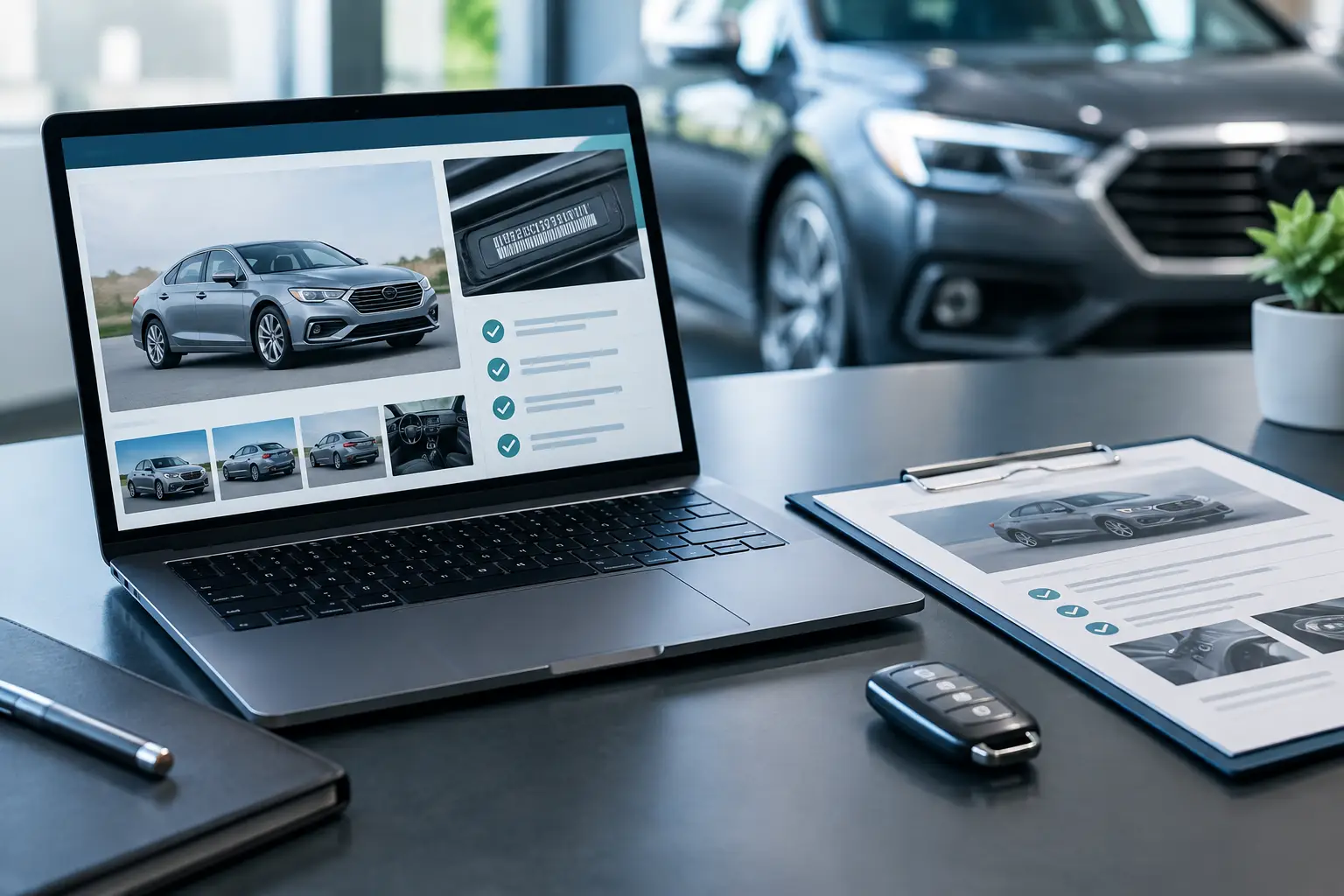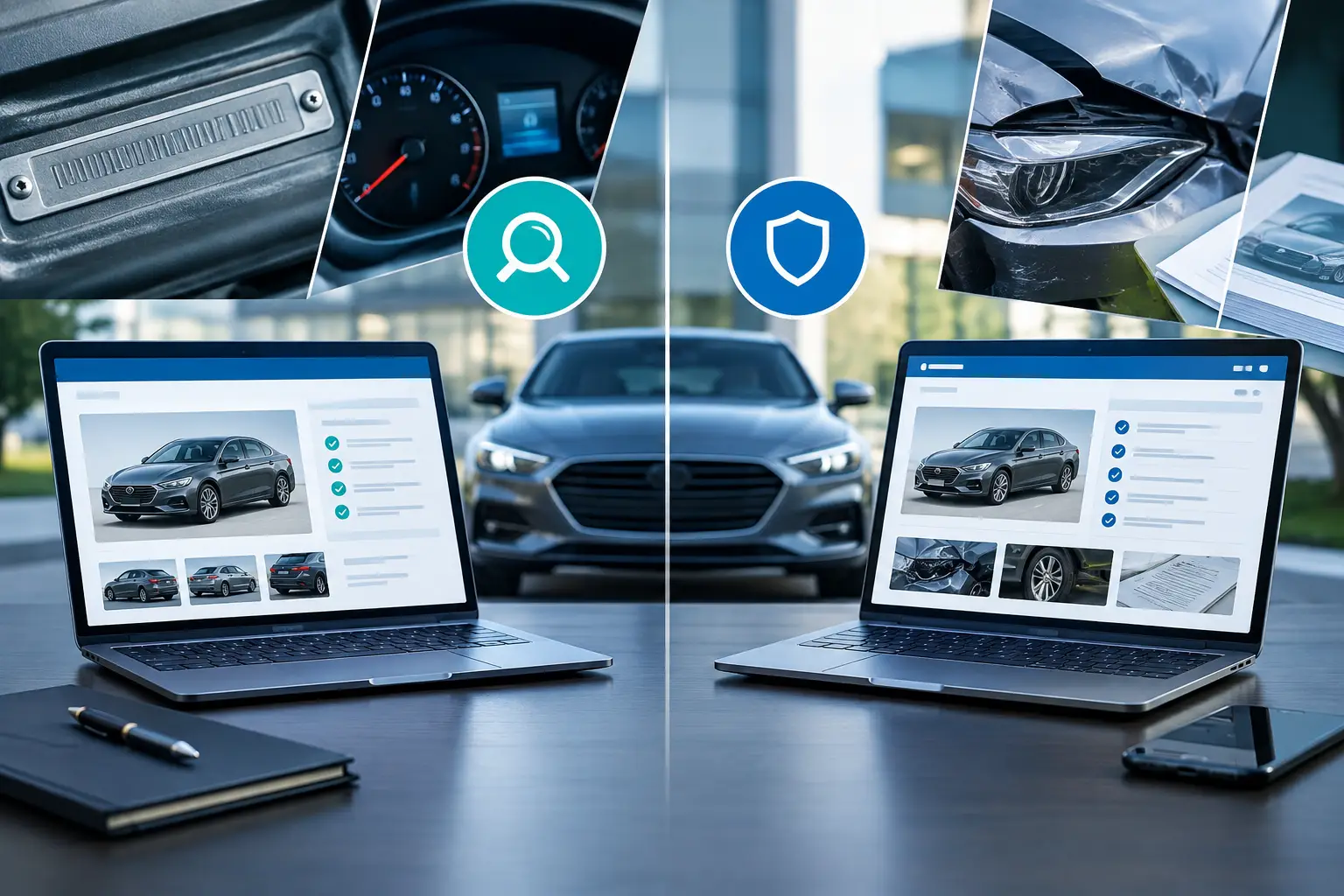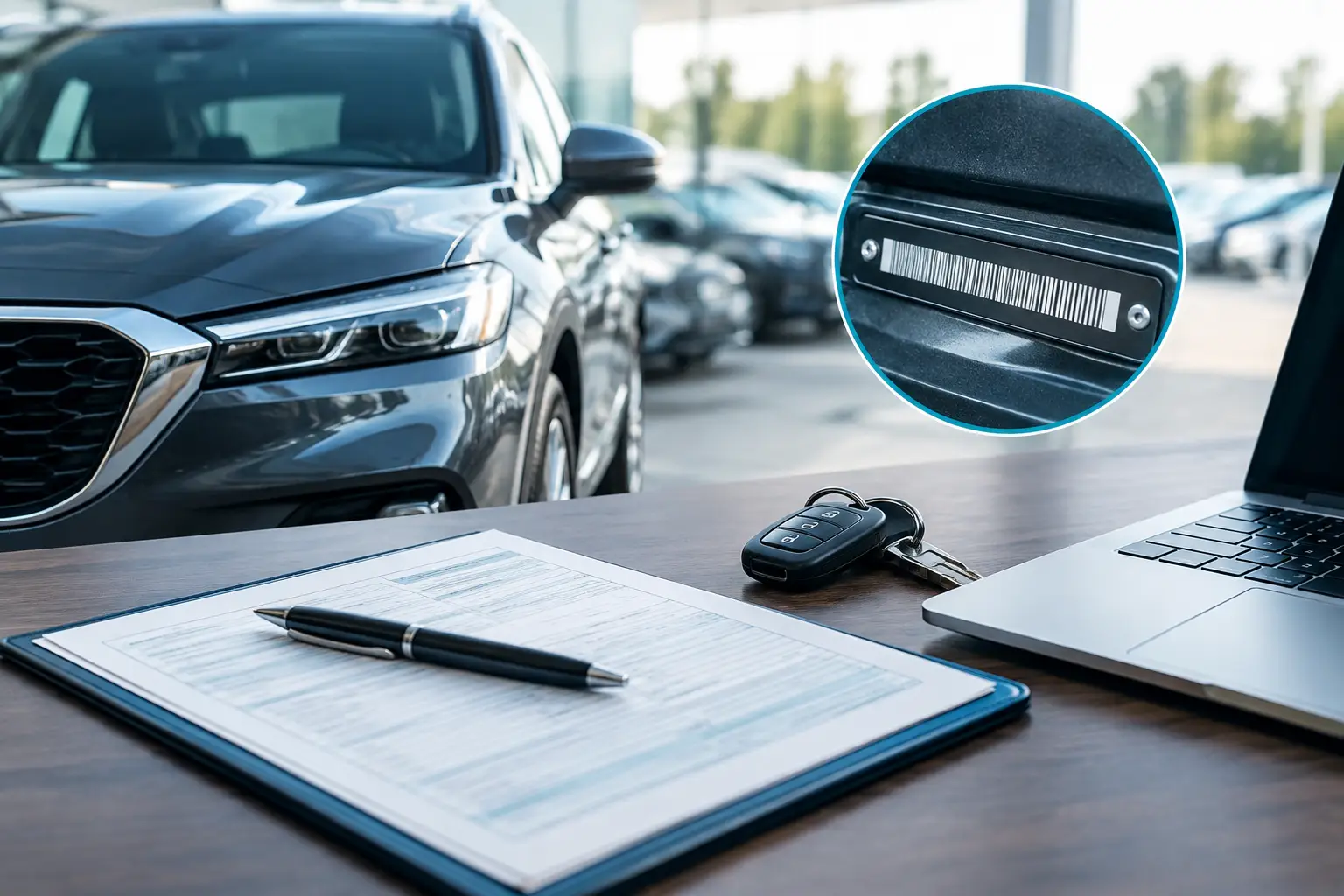
A clean listing can still hide a branded title, an odometer rollback, or a damage event that never made it into the seller's pitch. That is why vehicle history reports companies matter long before a test drive. The right provider helps you verify the story behind a VIN fast, spot red flags early, and avoid wasting time on vehicles that should never make your shortlist.
But not all report providers solve the same problem. Some are built for one-off shoppers who want a quick snapshot. Others are better for dealers, auction buyers, and fleet teams that need to review dozens of VINs, compare them side by side, and move quickly without losing detail. If you are choosing between vehicle history reports companies, the smartest approach is not asking which brand is most famous. It is asking which one gives you the clearest, most usable proof for the way you buy.
What vehicle history reports companies actually do
At a basic level, these companies assemble VIN-based records from multiple data sources and turn them into a report. That usually includes title history, accident or damage records, ownership events, odometer readings, theft records, recalls, and vehicle specifications. Some also add valuation data, auction history, lien signals, service records, and safety information.
The difference starts with source coverage and ends with usability. Two companies may both say they offer accident history, but one may show only a simple event flag while another gives dates, severity clues, and surrounding context. The same goes for title brands. A report that quietly lists salvage, rebuilt, flood, or lemon history without making the risk easy to understand is technically useful, but not operationally useful.
For most buyers, the real job of a vehicle history report is decision support. You are trying to answer a practical question: should I keep moving on this car, negotiate harder, or walk away now?
How to compare vehicle history reports companies
The best comparison starts with the records that create financial risk. Title status is at the top of that list. A clean title is not just a nice detail. It affects financing, resale value, insurability, and long-term confidence. If a provider does not surface title brands clearly, that is a problem.
Accident and damage reporting is next, but this category takes more nuance. Not every accident record means the car is a bad buy, and not every clean report means the car was never damaged. Some incidents never reach an insurer or state system. What you want is a provider that gives enough detail to put the event in context instead of treating all damage history the same.
Ownership history also matters more than many buyers think. A single-owner car is not automatically better, and a car with several owners is not automatically risky. But changes in ownership can help explain how the vehicle was used, how often it changed hands, and whether the timeline makes sense.
Odometer verification is another make-or-break category. Mileage fraud still happens, especially in private-party sales and among vehicles moving through less transparent channels. A reliable provider should show historical odometer entries and help flag patterns that do not line up.
Then there is recall and safety data. This is where some vehicle history reports companies feel outdated. A report should not just tell you that recalls exist. It should make open recalls easy to identify so you know whether the next step is a dealer service appointment or a reason to pause the deal.
The biggest difference is not data alone. It is clarity.
Many shoppers assume the provider with the longest report is the best one. That is not always true. A dense PDF full of disconnected records can be slower to use than a shorter, better-structured report that highlights actual risk.
This matters even more for professionals. Independent dealers, acquisition teams, and fleet managers are rarely evaluating one vehicle at a time in perfect conditions. They are moving through inventory decisions quickly. If the platform forces them to open one report, close it, open another, and manually track differences, the workflow itself becomes a cost.
That is where newer platforms are changing the category. Instead of acting like a single-report vending machine, they are building vehicle intelligence systems around comparison, sorting, and repeat use. For buyers looking at three used SUVs or dealers reviewing incoming auction inventory, that difference is not cosmetic. It saves time and reduces mistakes.
What to look for beyond the standard report
A good report should answer obvious questions. A strong platform should also make borderline cases easier to judge. That usually comes down to scoring, filtering, and comparison tools.
A risk-based score can help if it is grounded in real records and presented transparently. The key word is transparently. A score should simplify a decision, not replace judgment. If a vehicle has a low-risk score but also shows a title brand, you still need to understand why. Scores are useful when they point you to the underlying evidence instead of hiding it.
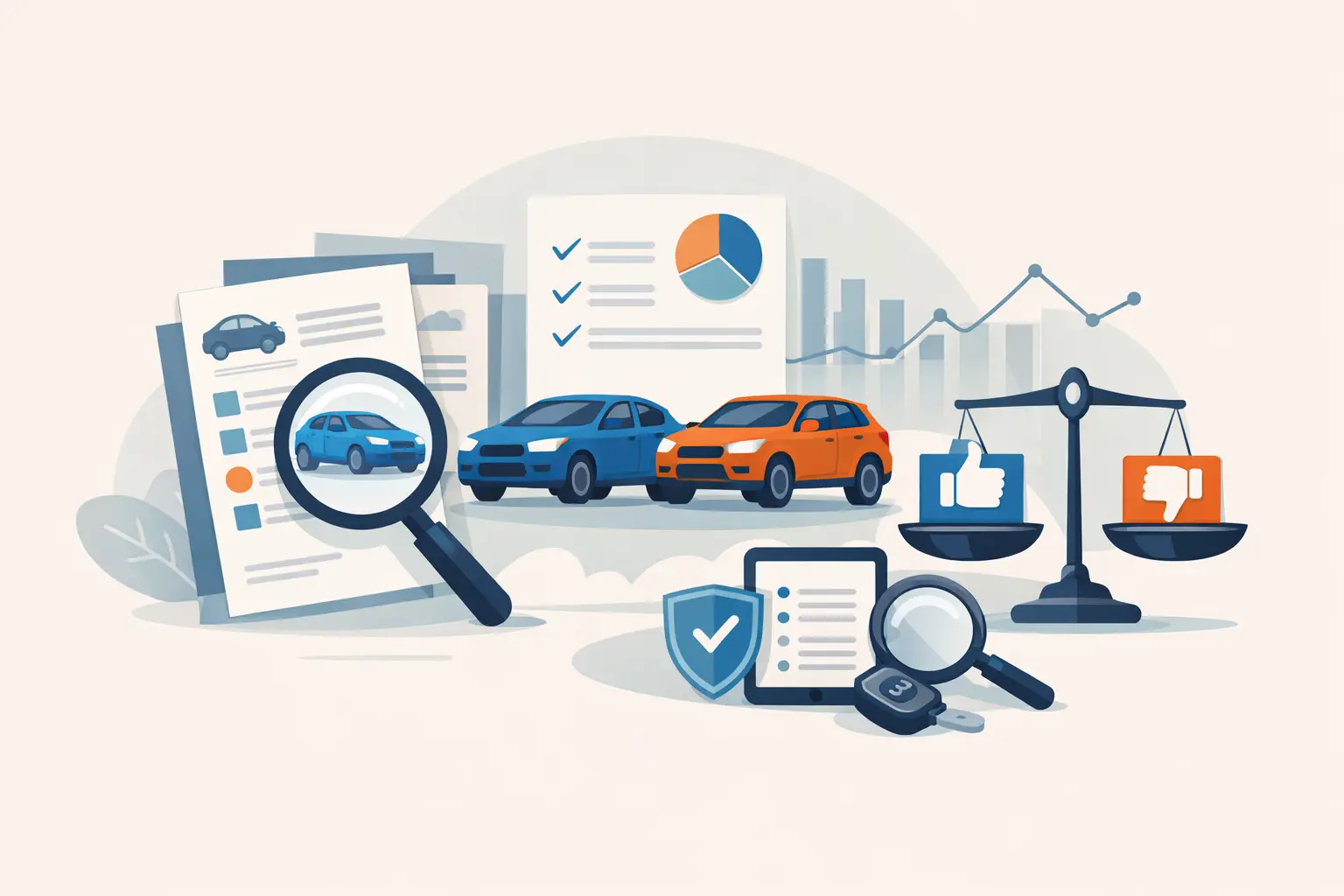
Comparison tools are just as valuable. If you are deciding between two similar trucks, seeing ownership count, accident history, recall status, mileage patterns, and title signals in one view is far more efficient than toggling between separate reports. This is one of the clearest gaps between traditional and modern vehicle history platforms.
Export and save features matter too, especially for repeat buyers and dealer teams. If your process includes sharing findings with a partner, customer, manager, or buyer group, a report that lives in isolation creates friction. A system that lets you organize VINs and return to them later is simply better aligned with real buying behavior.
Where vehicle history reports companies fall short
No provider has perfect visibility into every event in a vehicle's life. That is the first reality check. A report depends on records being created, submitted, and connected to the VIN correctly. If a repair was paid out of pocket or a reporting source lagged, the report may not show the full story.
That does not make the report useless. It means you should use it as a verification layer, not your only layer. Pair it with a pre-purchase inspection, a title check, seller documentation, and basic common sense. If the seller's story and the report timeline do not match, trust the inconsistency.
Another issue is pricing structure. Some companies are fine for one vehicle but expensive for anyone shopping seriously across several candidates. Others make entry easy but place the most useful workflow features behind higher tiers. There is nothing wrong with paid reporting, but pricing should match the way people actually shop. If you need to compare multiple vehicles, a one-report-at-a-time model can become costly and inefficient fast.
Which type of provider fits your workflow?
If you are a first-time buyer checking one vehicle from a local seller, a straightforward report with title, accident, odometer, and recall information may be enough. Your priority is clear risk detection, not advanced inventory management.
If you are an experienced buyer working several leads at once, comparison becomes more important. You are not just trying to spot a bad car. You are trying to find the best car among good-enough options. That takes structure, not just data.
For dealers and auction buyers, speed and repeatability matter most. You need to process VINs in volume, sort vehicles by risk, and share findings across your team. In that environment, vehicle history reports companies that only deliver isolated reports will feel slow. A platform model is usually the better fit.
Fleet managers have another layer to think about. They need consistency across many units, not just confidence in one purchase. Historical records, open recalls, valuation context, and exportable reporting all carry more weight when decisions affect maintenance planning, remarketing, and total cost of ownership.
A smarter standard for choosing a provider
The best way to judge a provider is simple: can it help you make a better decision in less time, with less room for missed risk? That standard is more useful than brand familiarity alone.
Look for verified records, strong title and odometer visibility, clear damage reporting, recall access, and a format that does not bury critical issues. If you shop or source multiple vehicles, prioritize platforms that let you save, compare, and organize VINs instead of forcing one-by-one review. DriveEvidence reflects that shift with verified reporting, side-by-side workflow tools, and a risk-based score that helps users read a vehicle's history faster without losing the proof behind it.
A vehicle report should do more than fill a checkbox before purchase. It should help you see what the seller cannot prove, what the listing does not say, and what the next best move actually is. Know the truth before you buy, and the right report company becomes less of an expense and more of a filter against bad decisions.