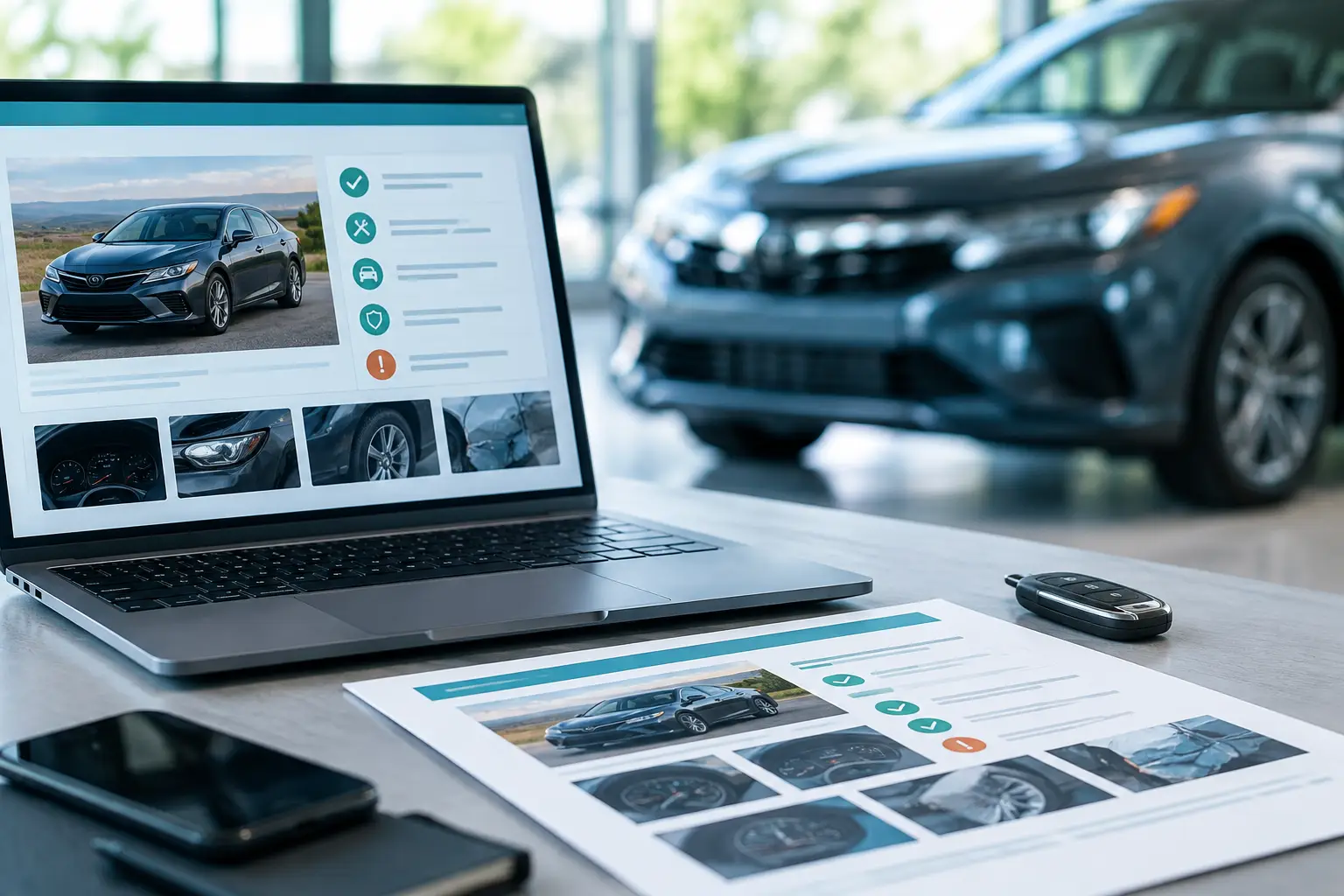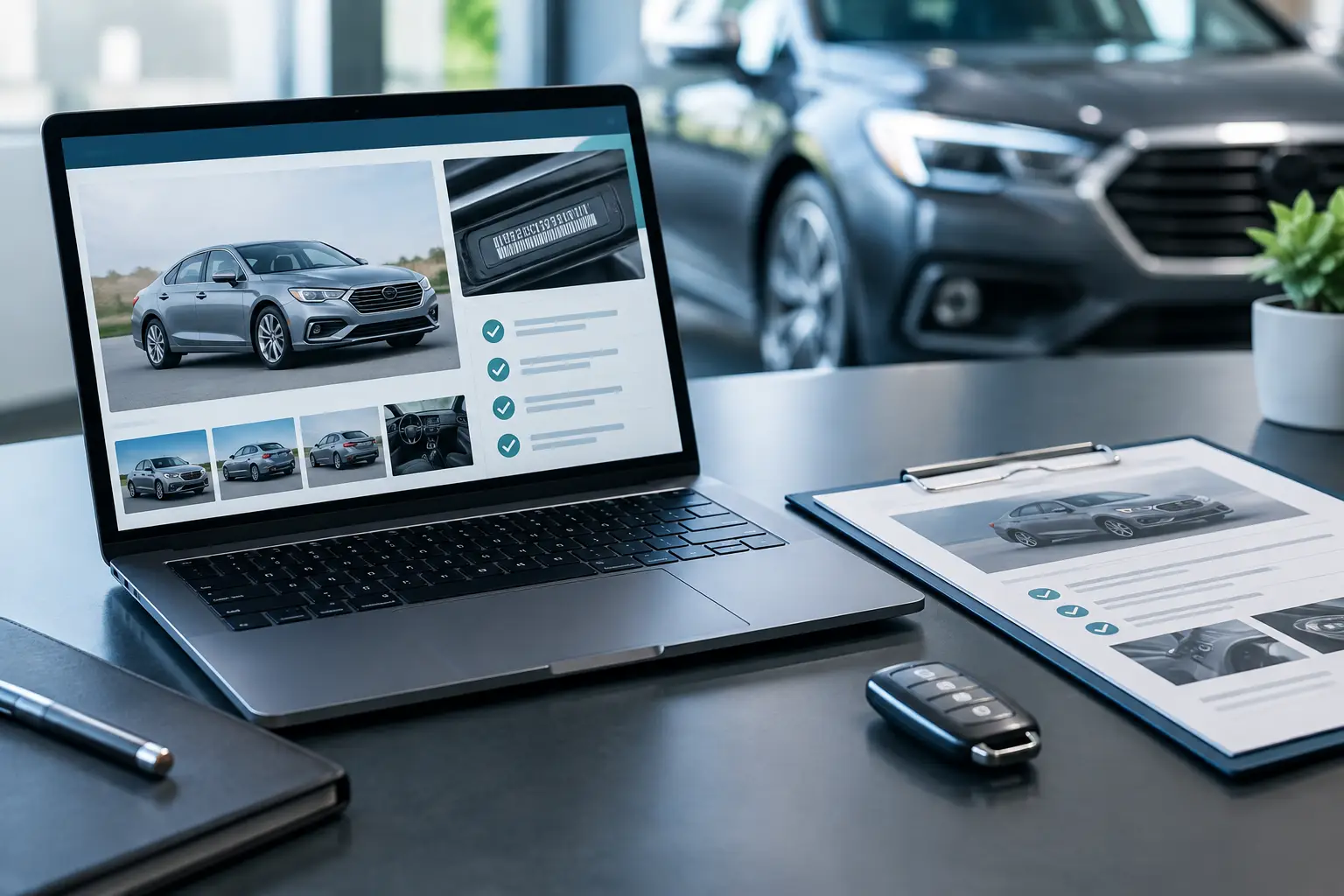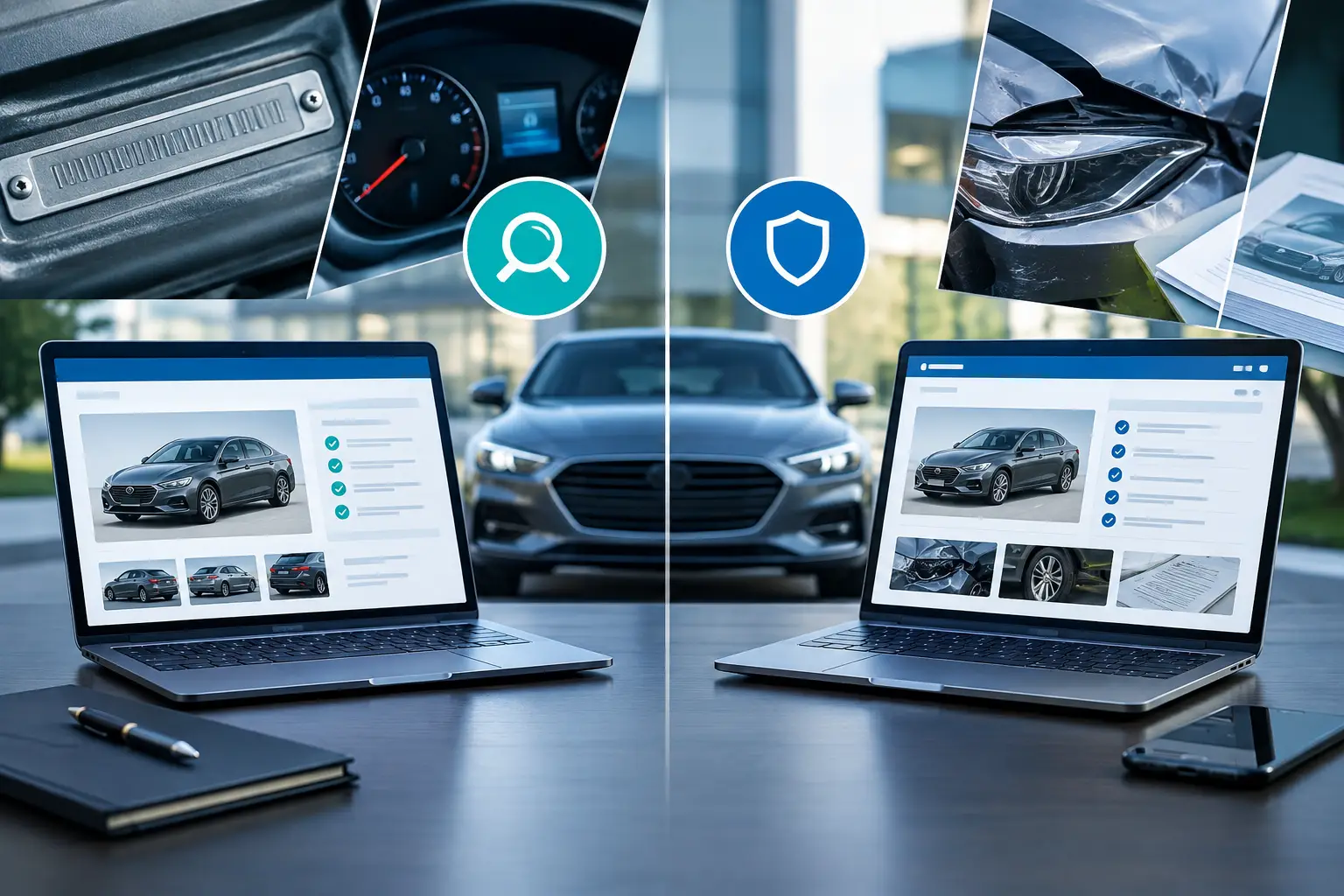
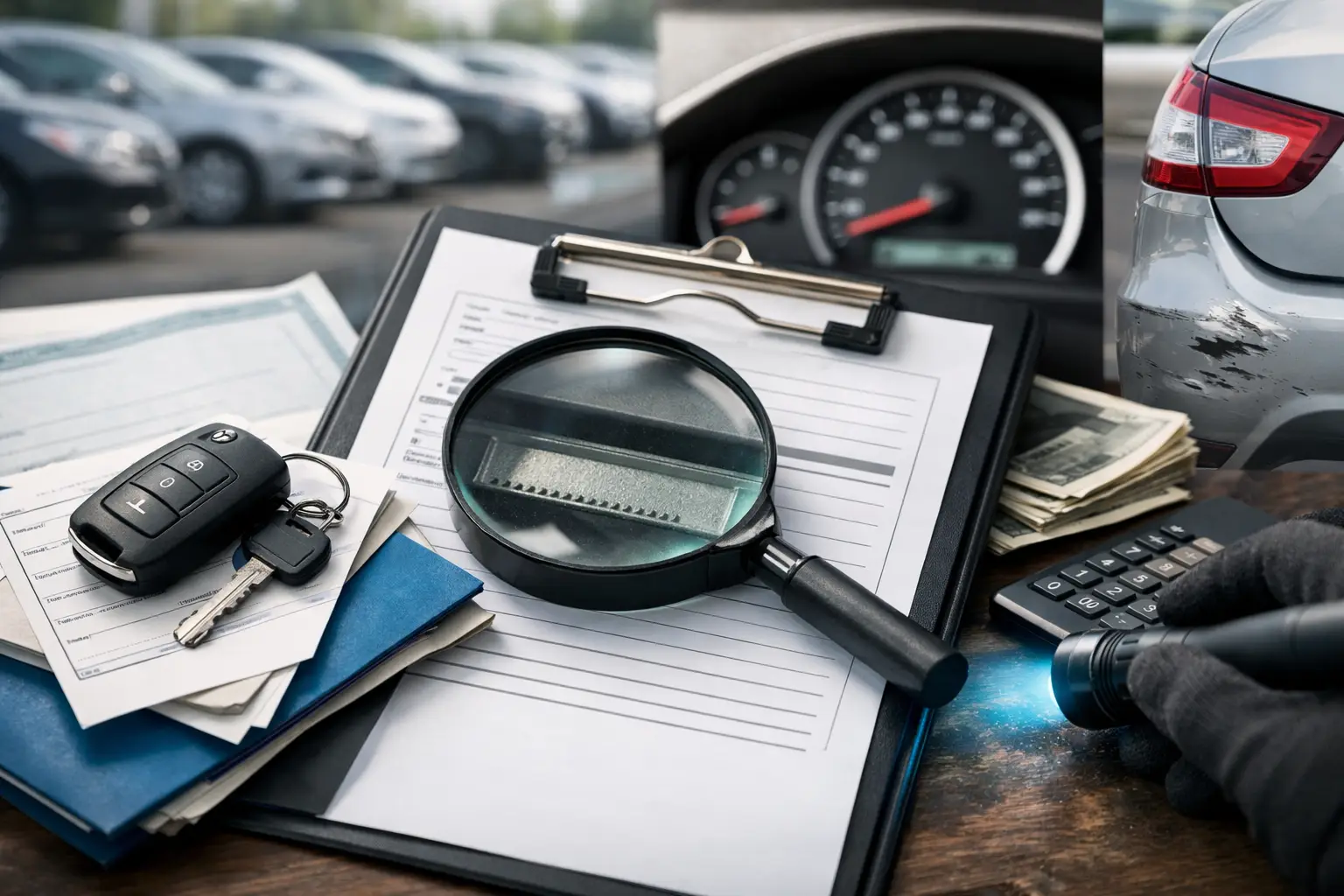
That clean test drive can hide a messy paper trail. The top checks before buying used are rarely the obvious ones - they are the records, patterns, and inconsistencies that reveal whether a vehicle is fairly priced, properly maintained, and legally safe to buy.
A used vehicle is not just a machine. It is a history file on wheels. Two cars with the same year, trim, and mileage can carry very different risk depending on accidents, title branding, theft history, service gaps, or odometer issues. If you only judge condition by appearance, you are buying the seller's presentation. If you verify the evidence, you are buying with leverage.
Why the top checks before buying used matter
Most expensive used-car mistakes start before the paperwork is signed. Buyers miss a rebuilt title because the car looks straight. Dealers take in inventory that appears clean but has unresolved recall exposure. Fleet buyers move fast and later discover a prior damage event that affects resale. The problem is not always bad intent. Often, it is incomplete research.
The strongest buying process is built to catch hidden risk early. That means verifying identity, ownership, damage, mileage, value, and safety before you negotiate. The goal is not to find a perfect used vehicle. It is to know exactly what you are buying and what that risk should cost.
1. Verify the VIN matches the vehicle and paperwork
Start with the identity check. The VIN on the dashboard, driver's door sticker, registration, title, and insurance records should match exactly. A mismatch can be a clerical mistake, but it can also signal title washing, stolen vehicle risk, or a vehicle assembled from multiple sources.
This first step is fast, and it sets the tone for everything else. If the seller hesitates to share the VIN in advance, that is already useful information. A legitimate seller should be comfortable with basic verification.
2. Check title status and title brands
A clean-looking car can still carry a salvage, rebuilt, flood, lemon, or other branded title. That matters because title brands affect insurability, financing, resale value, and long-term reliability. In some cases, a rebuilt title vehicle can be a workable budget purchase. In many others, the discount is not enough to justify the unknowns.
This is where buyers get trapped by price. A vehicle listed thousands below market may not be a bargain if the title history limits your ability to insure or resell it later. Always compare the asking price against the title record, not just the trim and mileage.
3. Look for accident and damage history
Not all damage is equal. A minor cosmetic claim is different from structural damage, airbag deployment, or repeated collision events. The question is not simply whether the car was ever damaged. The question is how severe the damage was, when it happened, and whether the current condition lines up with that record.
If a report shows damage but the seller describes the vehicle as accident-free, stop and clarify. If repairs were made, ask for documentation. Poorly repaired damage can lead to alignment issues, tire wear, water leaks, sensor problems, and lower crashworthiness.
What damage history should make you pause
Structural damage, flood exposure, and multiple collision events deserve extra scrutiny. They do not always mean automatic rejection, but they do mean the vehicle should be priced accordingly and inspected more carefully. For many buyers, especially first-time buyers, these are risks worth skipping unless the evidence is unusually strong.
4. Confirm odometer consistency
Mileage still drives used-vehicle pricing, which is why odometer fraud remains a real risk. A reading on the dash is not enough. You want to see whether mileage appears consistent across registrations, inspections, service records, auction entries, and prior sales activity.
Inconsistencies matter even when they seem small. A mileage rollback can distort market value, maintenance timing, and expected life. If the history shows gaps, flat periods, or mileage that moves backward, do not assume there is a harmless explanation.
5. Review ownership history and usage patterns
One-owner is not always better, and multiple owners are not always bad. What matters is the pattern. A vehicle that changed hands every few months may indicate unresolved issues. A former rental or fleet unit may have had disciplined maintenance, but it may also show higher wear than a privately owned car with the same miles.
Look at geography too. Vehicles that spent time in coastal areas, flood-prone regions, or harsh winter states can carry extra corrosion or environmental wear. Ownership history gives context that a walkaround cannot.
6. Check open recalls and safety information
A used vehicle can have unresolved manufacturer recalls that affect airbags, brakes, fuel systems, electrical components, or fire risk. This is one of the most overlooked top checks before buying used because buyers assume recalls would have been handled already. Many are not.
An open recall does not always mean you should walk away. In many cases, the fix is available at no cost. But you should confirm what the recall involves, whether the remedy is active, and whether the dealer or seller will address it before sale. Safety issues should never be treated as a post-purchase surprise.
7. Compare asking price to real market value
Pricing only makes sense in context. A cheap used car can be overpriced if it has prior damage, title branding, or poor ownership history. A more expensive one can be a better buy if the records are clean, maintenance is documented, and the configuration is in demand.
Market value should reflect more than year, make, model, and mileage. It should also reflect condition, region, title status, accident history, and supply. This is why data-backed pricing matters. If the seller is asking retail money for a vehicle with wholesale-level risk, your negotiation should start from that gap.
Condition and history should move the number
Buyers often focus on cosmetic flaws because they are visible. The bigger pricing adjustments usually come from what is not visible right away - prior total loss, mileage inconsistency, unrepaired recall exposure, or repeated damage records. The listing photos do not set value. Verified history does.
8. Get a pre-purchase inspection
Data is powerful, but it is not a substitute for a skilled set of eyes. A pre-purchase inspection helps confirm what the records suggest and catch what records may miss, such as fresh leaks, frame concerns, worn suspension, tire age, brake condition, and signs of rushed repair work.
This matters even more in private-party transactions. If a seller refuses an independent inspection, that is a strong warning sign. For professionals buying multiple units, inspections may be selective rather than universal, but high-risk profiles should always get extra scrutiny.
9. Match the records to the seller's story
The best fraud detection tool is simple consistency. Does the seller's description match the title record, damage history, mileage timeline, and ownership pattern? When the story and the data disagree, trust the data first.
Listen for vague explanations. "Just a small fender bender" does not align with airbag deployment. "Mostly highway miles" does not explain an odometer anomaly. "Clean car" does not erase a branded title. Honest sellers usually answer direct questions directly and provide documents without friction.
10. Use a score or comparison framework, not gut feeling
When buyers look at several vehicles at once, mistakes happen because each unit gets judged in isolation. One car seems clean. Another seems cheaper. A third drives best. Without a comparison framework, it is easy to miss the total risk picture.
This is where a consolidated history view helps. A platform like DriveEvidence can combine title data, accident history, theft records, odometer verification, recalls, valuations, and a risk-based score into one decision workflow. That kind of side-by-side visibility is useful for consumers, and it is even more valuable for dealers, auction buyers, and fleet teams processing multiple VINs quickly.
The top checks before buying used are really about proof
Used-car buying gets easier when you stop asking, "Do I like this car?" and start asking, "What can I verify about this car?" That shift changes everything. It protects your budget, sharpens your negotiation, and helps you avoid problems that stay hidden until after the title transfer.
A good used vehicle does not need a perfect history. It needs a transparent one, a fair price, and evidence that supports the sale. Know the truth before you buy, and the right deal gets a lot easier to spot.