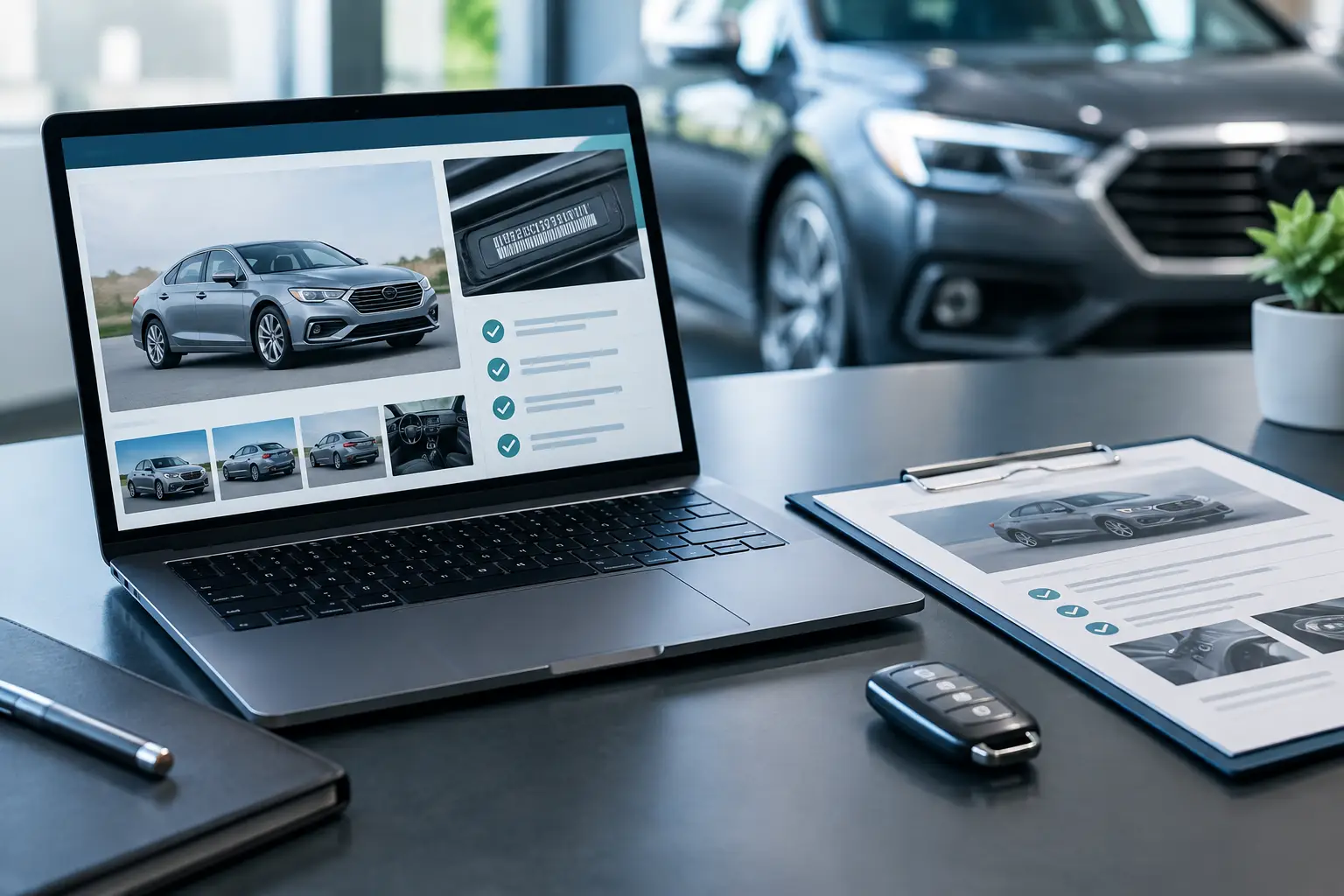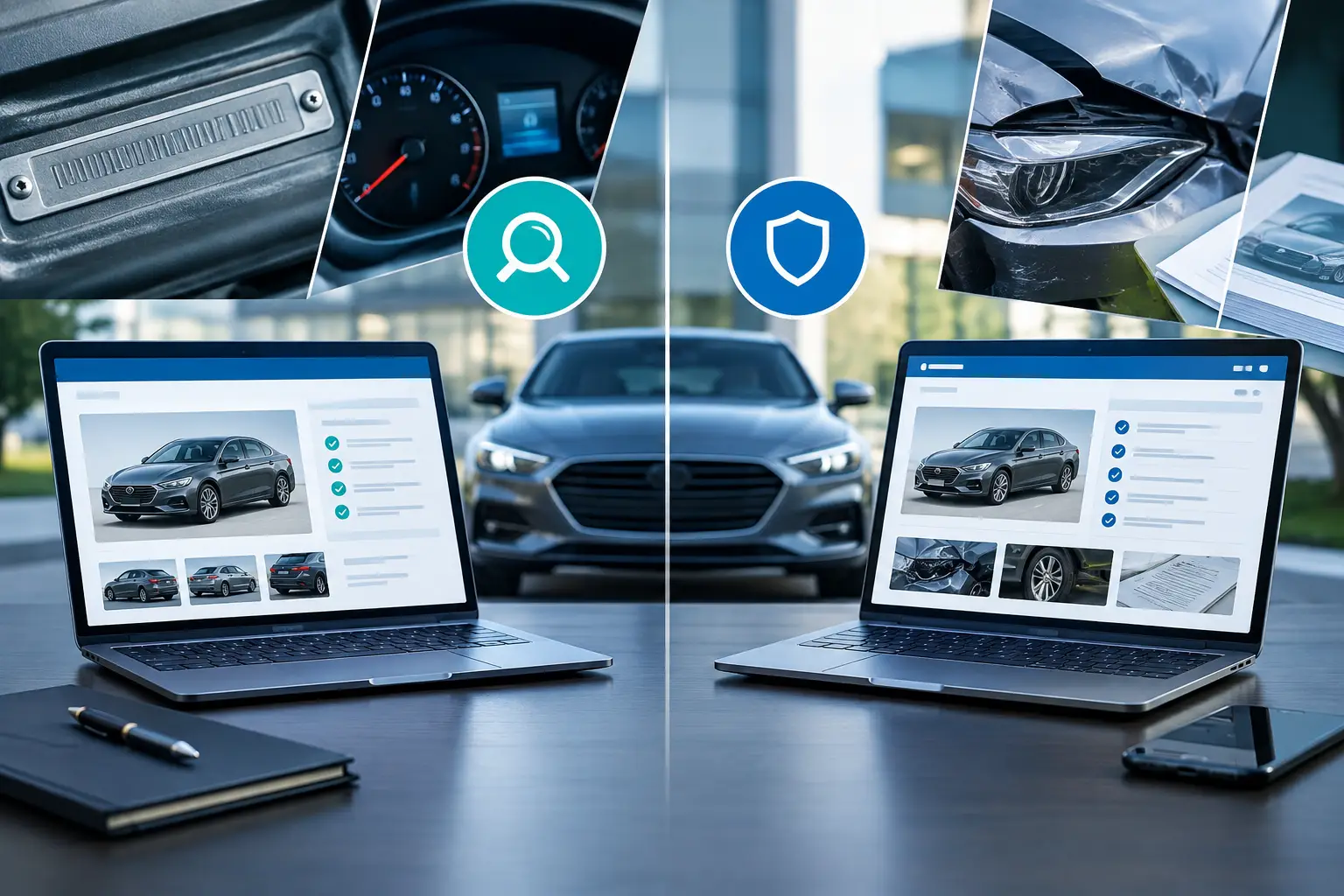
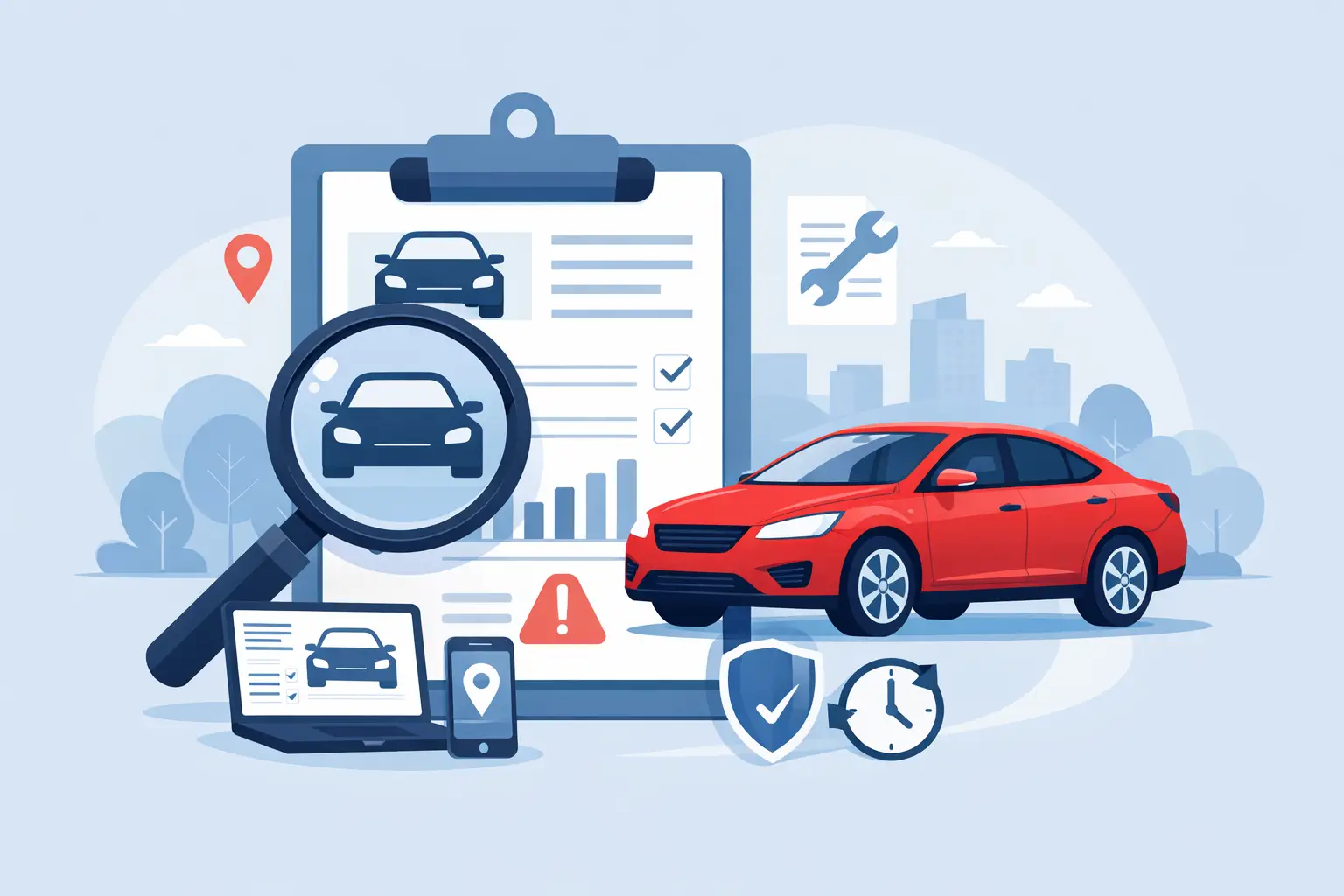
A clean title and shiny photos can hide a lot. Salvage branding, rolled-back mileage, prior damage, theft records, and open recalls do not show up in a seller's description. If you want to know how to lookup vehicle history report data the right way, start with the VIN and verify the facts before you negotiate, travel to see the car, or send a deposit.
How to lookup vehicle history report before you buy
The fastest path is simple. Get the full 17-character VIN, enter it into a trusted vehicle history platform, and review the report for identity, title status, damage records, ownership history, odometer readings, and recalls. That sounds straightforward, but the quality of the result depends on the data behind the report and how clearly it helps you spot risk.
A history report is not just a yes-or-no fraud check. It is a decision tool. For a first-time buyer, it can prevent an expensive mistake. For a dealer, auction buyer, or fleet manager, it helps filter inventory faster and focus attention where it matters.
Start with the VIN, not the listing
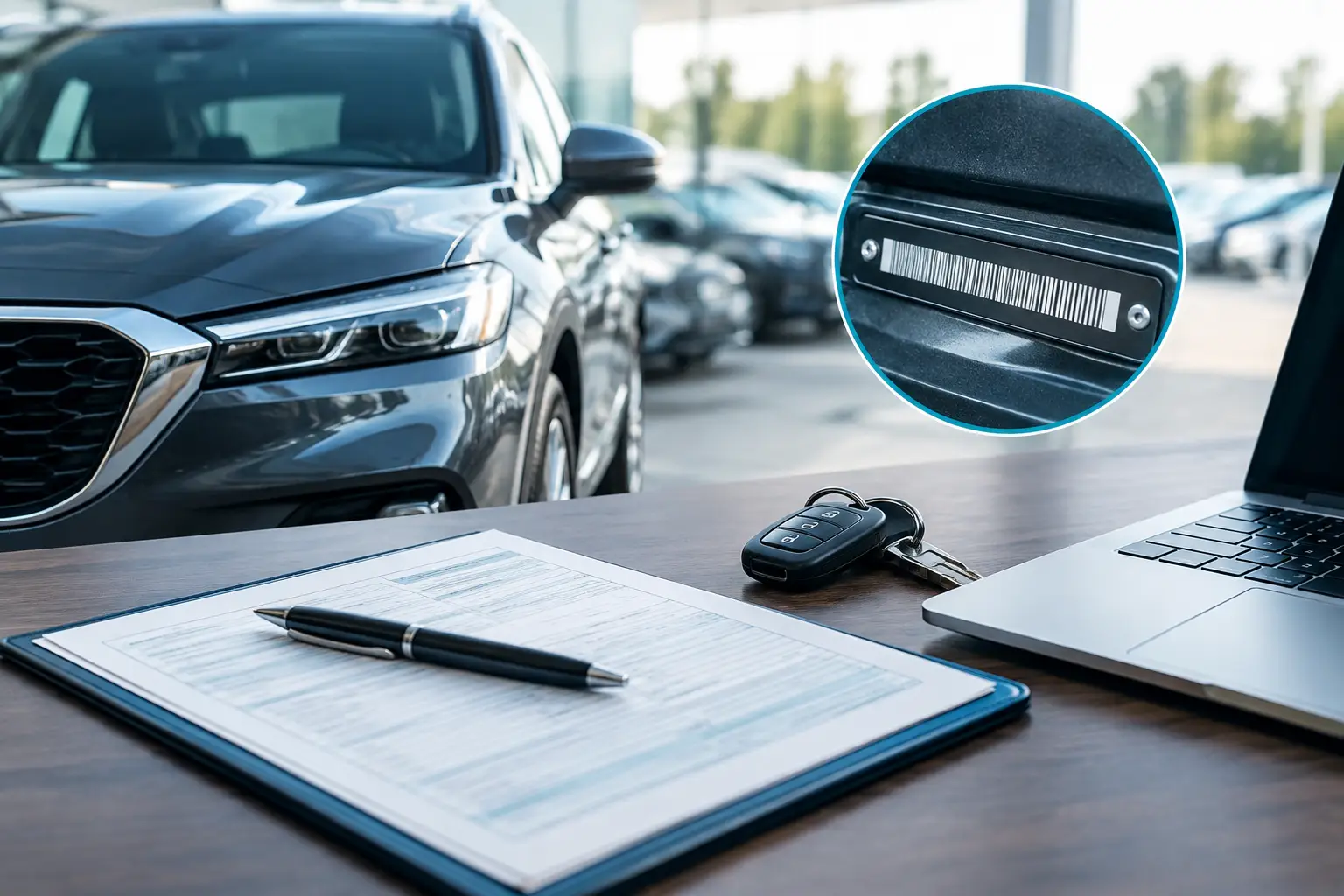
The VIN is the vehicle's fingerprint. If the seller will not share it, that is a red flag on its own. A legitimate seller should have no issue providing the VIN before an in-person meeting, especially if you are serious about the purchase.
Once you have it, verify that the VIN on the listing matches the VIN on the dashboard plate, driver-side door sticker, registration, and title. A mismatch can mean a simple typo, but it can also point to a cloned identity or paperwork issue. Either way, do not move forward until that is resolved.
Use a report that shows more than basic specs
Some free VIN tools only return year, make, model, trim, and recall information. That is useful as a first screen, but it is not enough to evaluate risk on a used vehicle. If you are trying to decide whether to buy, finance, trade, or add a unit to inventory, you need the history behind the metal.
A stronger report should help you verify accident and damage history, title brands such as salvage or rebuilt, theft and recovery events, ownership changes, odometer consistency, market value context, safety information, and open recalls. The difference matters. A car can look clean on the surface while carrying title or mileage issues that affect value, insurability, and resale.
What a vehicle history report should tell you
When buyers ask how to lookup vehicle history report details, what they usually mean is this: what am I actually looking for once the report loads? The answer is not one single alert. It is a pattern.
Title status is one of the first sections to check. Clean title wording sounds reassuring, but you still need to confirm whether any brands appear in the record. Salvage, rebuilt, flood, lemon, junk, or manufacturer buyback branding can materially change the vehicle's risk profile and value.
Odometer history is next. Look for a consistent mileage progression over time. A sudden drop, a large unexplained jump, or a record marked not actual mileage deserves attention. Odometer problems are not always fraud, but they are never minor.
Damage and accident entries need context. A report may show a minor damage event with no structural impact, or it may reveal severe collision history, airbag deployment, or multiple incidents across years of ownership. This is where buyers make mistakes. Any accident record is not automatically a deal breaker. The real question is severity, repair quality, and whether the price reflects that history.
Ownership history also matters more than people think. One-owner vehicles can be attractive, but multiple owners are not automatically bad. What matters is timing and use. Frequent transfers in a short period can suggest unresolved issues. Commercial, rental, fleet, or taxi use can mean higher wear even if the car presents well.
Then check theft records, recovery events, and open recalls. A recovered theft vehicle is not always unbuyable, but it should trigger closer scrutiny. Open recalls may be fixable at no cost, but they still affect safety and timing.
How to read red flags without overreacting
A vehicle history report helps you reduce risk, not eliminate uncertainty. That distinction matters. Reports depend on records being created and reported, so a clean report does not guarantee a perfect car. On the other hand, one negative entry does not automatically mean you should walk away.
Think in layers. If the report shows one minor damage event, consistent mileage, no title brands, no theft history, and solid maintenance documentation from the seller, that may still be a strong buy. If it shows prior salvage branding, mileage inconsistencies, and multiple ownership transfers in a short window, the pattern is different.
This is where a scoring framework can help. Instead of forcing you to interpret raw records one by one, a risk-based score can summarize how concerning the overall history appears while still letting you inspect the underlying data. DriveEvidence uses that approach to turn complex history into a clearer decision signal, which is especially useful when you are comparing several vehicles at once.
How to lookup vehicle history report data for multiple cars
If you are comparing two or three private-party listings, manual review is manageable. If you are a dealer, auction buyer, or fleet operator reviewing dozens of VINs, disconnected one-off reports slow everything down.
The better workflow is to screen vehicles in batches. Start with VIN verification and free lookup data such as specifications and recalls. Then run premium reports on the shortlist. From there, compare title status, mileage patterns, damage records, ownership type, and valuation side by side.
That side-by-side step is where decisions get faster and more accurate. A vehicle with a slightly higher asking price can still be the better buy if its history is cleaner, its mileage records are consistent, and its title profile is stronger. Looking at reports one at a time makes that harder to see.
When a free VIN lookup is enough and when it is not
Free lookups have a place. If you are browsing listings and need to confirm basic specs, trim, engine information, or recall status, they can save time. They are also useful for catching obvious listing errors before you call the seller.
But if money is about to change hands, free data is usually not enough. You need verified history records that speak to ownership, damage, title branding, theft, and odometer verification. That is especially true for vehicles priced below market, sold long-distance, moved quickly through multiple owners, or offered by sellers who pressure you to commit before inspection.
A good rule is simple. Use free lookup tools to screen. Use a full history report to decide.
Common mistakes buyers make
The biggest mistake is waiting too long. Buyers often schedule a test drive, spend hours traveling, and get emotionally invested before checking the VIN history. By then, red flags feel easier to rationalize.
Another mistake is focusing on one section and ignoring the rest. A clean title does not cancel out mileage inconsistencies. Low mileage does not outweigh severe damage history. A polished interior does not fix a prior flood record.
The third mistake is treating all negative history the same. Some vehicles with prior damage can still be fairly priced and properly repaired. Others are cheap for a reason. The report should guide the next question, not replace judgment.
The smartest next step after the report
Once you review the history, pair it with a pre-purchase inspection. The report tells you what has been recorded. The inspection tells you what is happening now. Together, they give you a far stronger basis for negotiation and a much better chance of avoiding surprises.
If the report is clean and the inspection is strong, move forward with more confidence. If the report raises concerns, ask direct questions and request supporting paperwork. If the answers are vague, inconsistent, or defensive, that usually tells you what you need to know.
The goal is not to find a perfect used vehicle. It is to find a vehicle with verified history, manageable risk, and a price that matches the facts. Know the truth before you buy, and the deal gets a lot clearer.