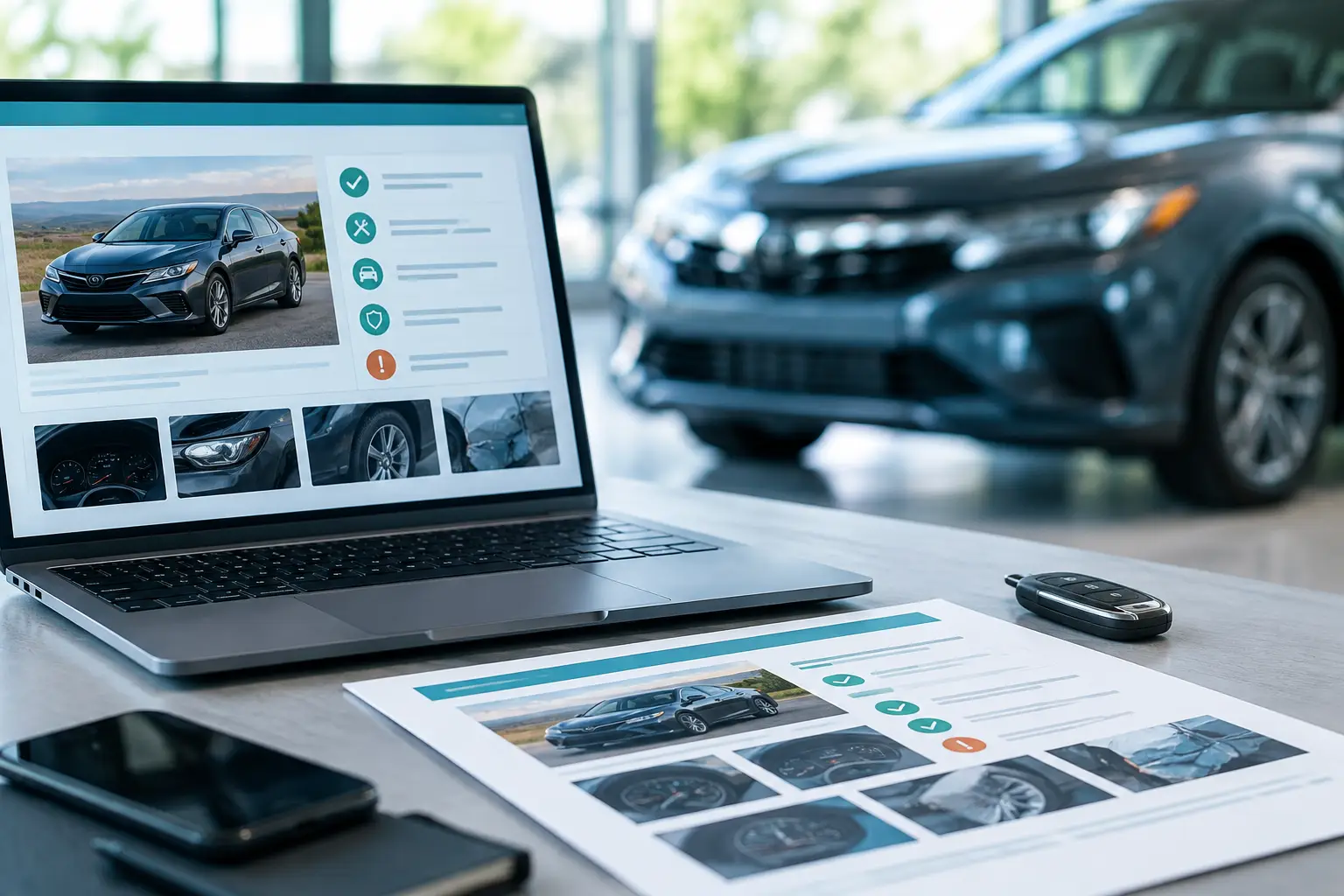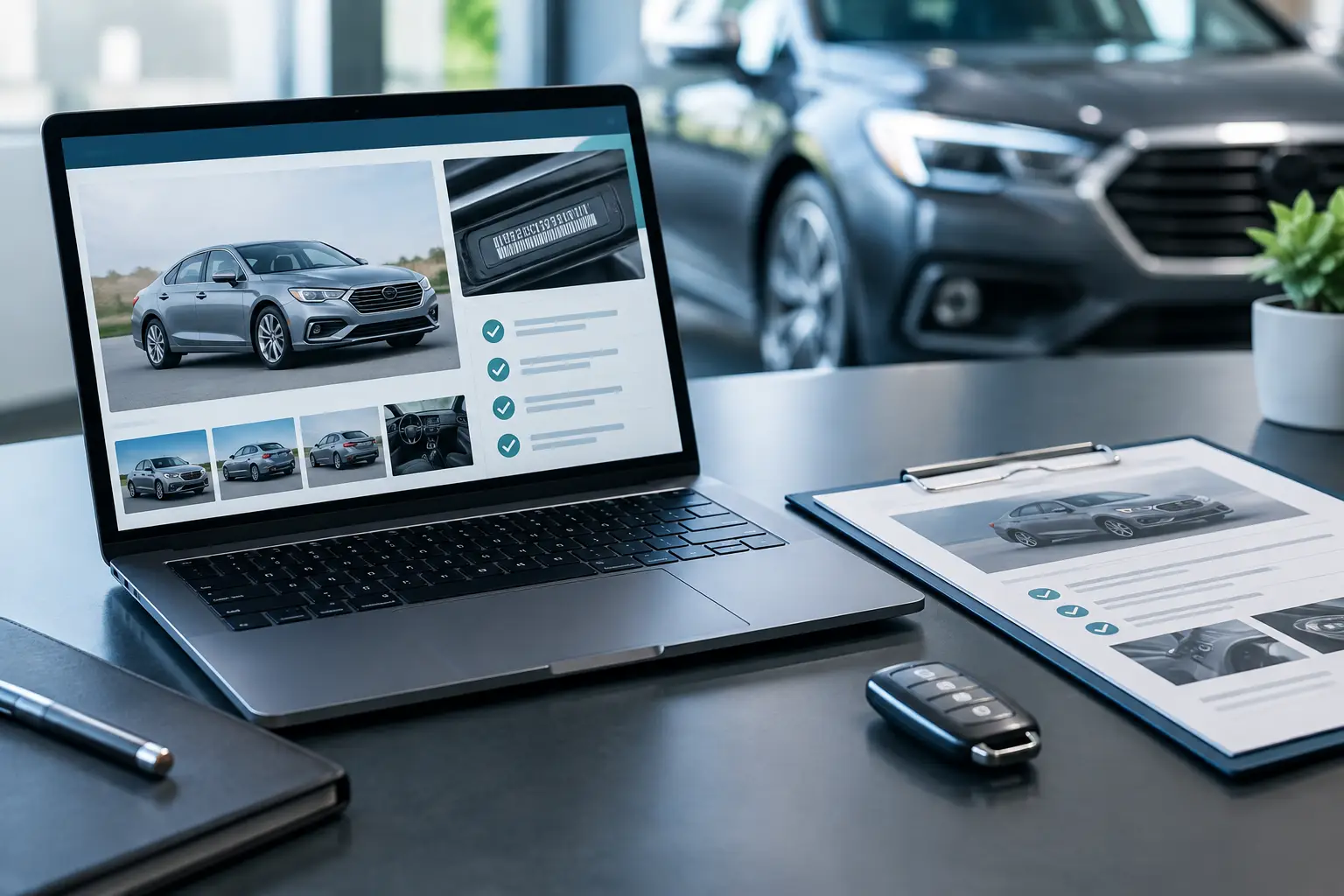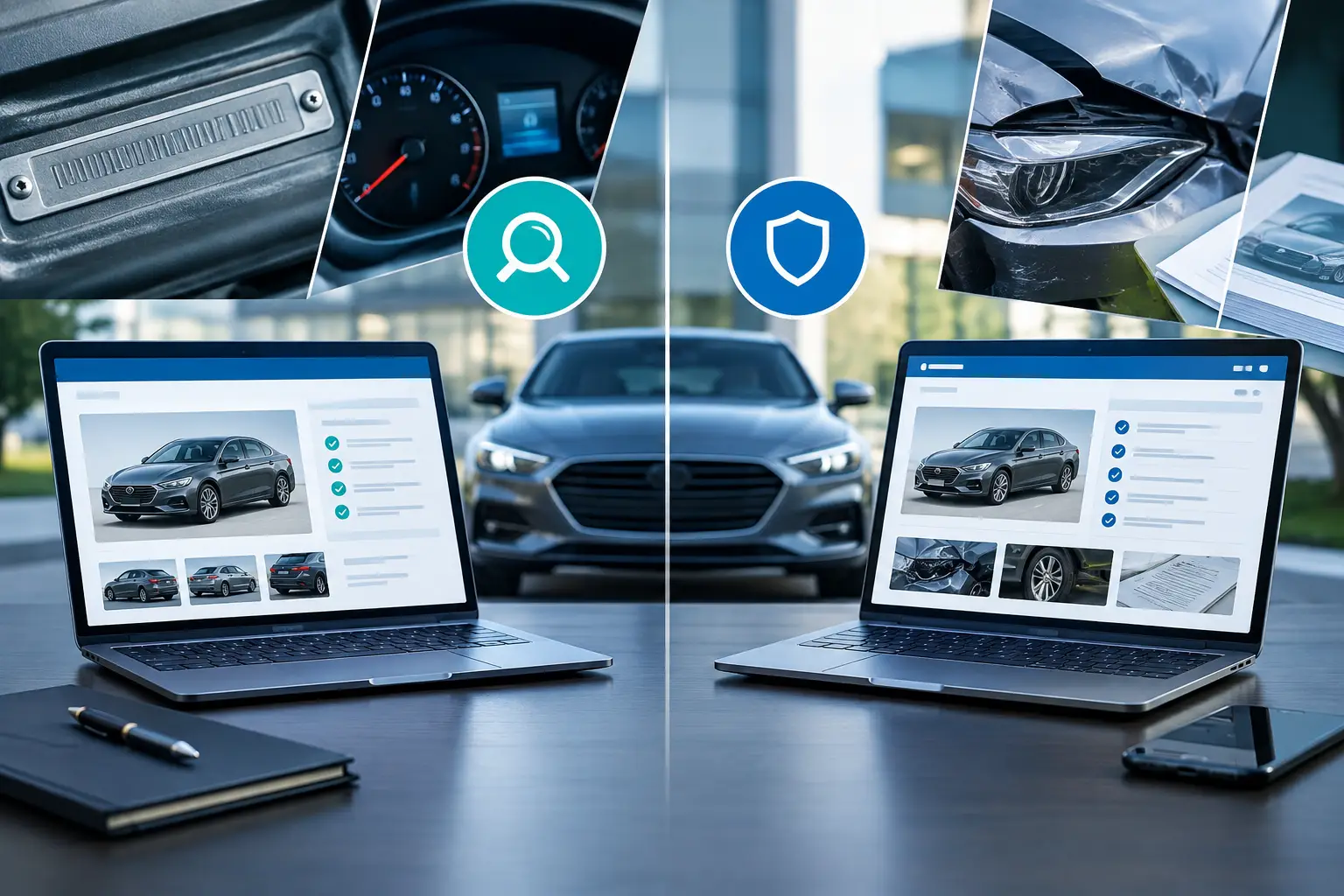
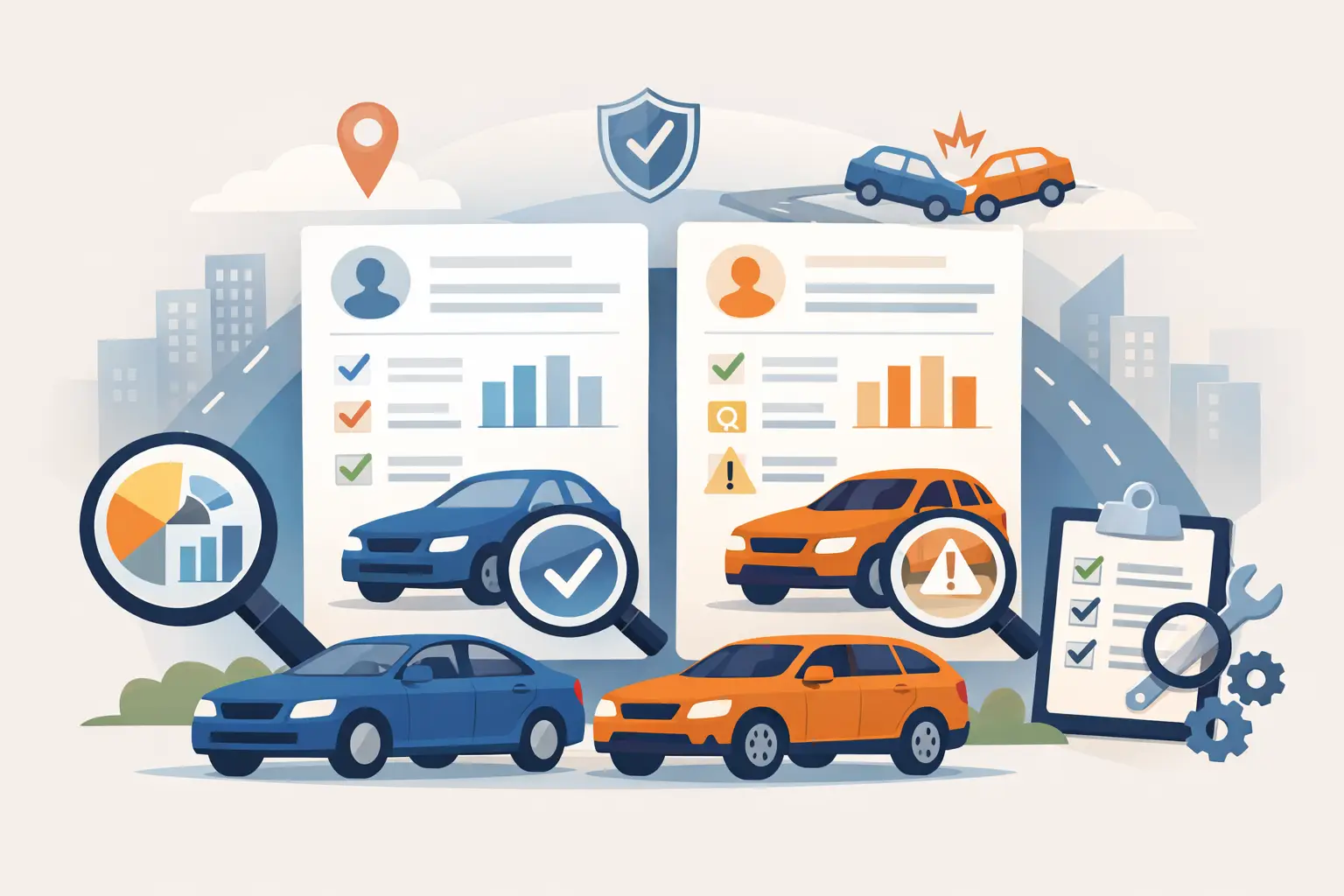
A clean-looking used car can still hide a branded title, mileage issue, or prior damage that never shows up in the seller's photos. That is why learning how to compare vehicle history reports matters before you negotiate, bid, or add a unit to inventory. The goal is not just to read a report. It is to judge risk, verify the story, and decide whether the vehicle still makes sense at the asking price.
Most buyers make the same mistake early. They pull one report, scan for accidents, and stop there. That approach misses the bigger job. A useful comparison looks at completeness, consistency, and context. You are not only checking what happened to the vehicle. You are checking whether the report gives you enough verified evidence to trust your decision.
How to compare vehicle history reports without missing the point
Start with the VIN and make sure every report is tied to the exact same 17-character number. That sounds obvious, but mistakes happen in listings, auction feeds, and dealer uploads. If the VIN is off by even one character, the comparison is worthless.
Once the VIN matches, compare the reports in layers rather than trying to read them line by line all at once. First look at high-risk categories: title brands, total loss records, theft history, odometer issues, and reported accidents or damage. Then move to ownership history, service or registration events, recall status, vehicle specs, and valuation data. This order matters because a single major title problem can outweigh an otherwise clean-looking ownership timeline.
If one report says the vehicle has a clean title and another shows salvage, rebuilt, flood, lemon, or other branding, treat that as a stop-and-verify moment. Title information is one of the highest-stakes data points in any report because it affects financing, insurability, resale value, and long-term risk. A mismatch does not always mean one provider is wrong. It can mean one source updated faster, one provider has broader access, or the title event occurred in a jurisdiction with uneven reporting. Either way, you should not move forward until the discrepancy is resolved.
What actually matters in a side-by-side comparison
The best report is not automatically the longest one. More lines do not always mean more truth. What matters is whether key records are present, whether the timeline makes sense, and whether the data comes from credible sources.
Accident and damage history
This is where many buyers focus first, and for good reason. But accident history needs nuance. A report that says "minor damage" is not the same as a record of structural damage or airbag deployment. Compare how each report describes the event, when it happened, and whether there were follow-up records such as insurance loss, auction announcements, or repairs.
You should also watch for gaps. A vehicle can have visible signs of repair without a formal accident entry. Not every collision reaches an insurer, police record, or reporting network. So if one report is clean but the pre-purchase inspection shows overspray, replaced panels, or frame concerns, trust the physical evidence. Reports are decision tools, not a substitute for inspection.
Title status and brands
This section deserves extra weight. Clean, salvage, rebuilt, junk, flood, hail, odometer rollback, buyback, and lemon branding all carry different implications. Compare both the current title status and any historical branding. Some vehicles move through multiple states, and title events can be delayed or reclassified over time.
For dealers and fleet buyers, this is where fast filtering matters. If you are reviewing multiple units, you want to separate low-risk inventory from problem vehicles quickly. A scoring model or comparison dashboard helps because it turns scattered title records into a clearer risk signal.
Odometer verification
Mileage fraud does not always look dramatic. Sometimes the issue is a rollback. Sometimes it is a simple inconsistency between inspection, registration, auction, or service records. Compare the mileage timeline across reports and look for jumps that do not fit the vehicle's age or usage pattern.
A report that merely lists odometer readings is less useful than one that flags inconsistency. You want evidence, but you also want interpretation. That is especially important when comparing work trucks, fleet vehicles, and older units where usage can be uneven.
Ownership and use history
One-owner is not automatically better. What matters is how the vehicle was used and how frequently it changed hands. Compare owner count, state-to-state movement, registration type, and commercial versus personal use. A two-owner personal vehicle with stable registration may be lower risk than a one-owner rental with heavy mileage and repeated damage events.
This is where report context matters. A short ownership period after major damage can be a warning sign. Repeated auction entries can be another. A report should help you see those patterns without making you hunt through disconnected records.
Theft, recovery, recalls, and specifications
These categories are often treated as secondary, but they can change the buying decision fast. A theft recovery may affect condition and value. Open recalls affect safety and repair planning. Specs matter because trim, engine, drivetrain, and factory equipment should match what the seller claims.
When reports disagree on equipment or trim, verify carefully. Misidentified vehicle specs can distort pricing and mislead buyers about actual value.
How to compare vehicle history reports by source quality
A report is only as useful as the data behind it. When comparing providers, ask a simple question: where do the records come from, and how consistently are they updated? Good reports pull from broad, verified sources such as motor vehicle agencies, insurance records, salvage auctions, service networks, safety databases, and theft registries. Better reports also organize that data into something you can act on.
This is where workflow matters. A single PDF-style report may be enough for one vehicle, but it becomes inefficient when you are reviewing several options or processing inventory. Side-by-side sorting, saved VINs, exportable reports, and a clear risk score reduce the chance of missing a problem hidden in page six of one report and page two of another. DriveEvidence is built around that kind of comparison workflow, which matters if you are evaluating more than one vehicle at a time.
Red flags that should change your decision
Some findings should not just lower your offer. They should change whether you pursue the vehicle at all. The biggest ones are title brand conflicts, structural damage, odometer inconsistencies, recent ownership turnover after a major event, and report timelines that feel incomplete relative to the vehicle's age.
There is also the pricing test. If a vehicle shows risk signals but the discount is minor, the math often fails. A questionable history can mean harder financing, lower resale, repair surprises, and tougher customer conversations later. Risk only makes sense when price, intended use, and exit strategy still line up.
For example, a rebuilt vehicle may be acceptable for some buyers if the repairs are documented, the inspection is strong, and the price reflects the history. The same vehicle may be a poor fit for a retail lot that needs easy financing and broad buyer confidence. It depends on who is buying, why they are buying, and how much uncertainty they can carry.
A smarter way to make the final call
When you have multiple reports in front of you, do not ask which one looks best at a glance. Ask which one gives you the clearest, most verifiable explanation of the vehicle's past. That means confirmed title status, understandable damage records, a sensible mileage timeline, and enough context to judge value against risk.
If you are comparing several vehicles, consistency matters just as much as detail. Use the same criteria for each unit. Start with title and damage risk, then mileage, ownership, theft, recalls, specs, and value. A standardized review process protects first-time buyers from emotional decisions and helps dealers or fleet teams move faster without lowering standards.
The right vehicle history comparison does not promise certainty. No report can capture every event. What it should do is narrow blind spots, expose contradictions, and give you proof strong enough to act with confidence. Know the truth before you buy, and if the records do not hold up under comparison, let the vehicle go.