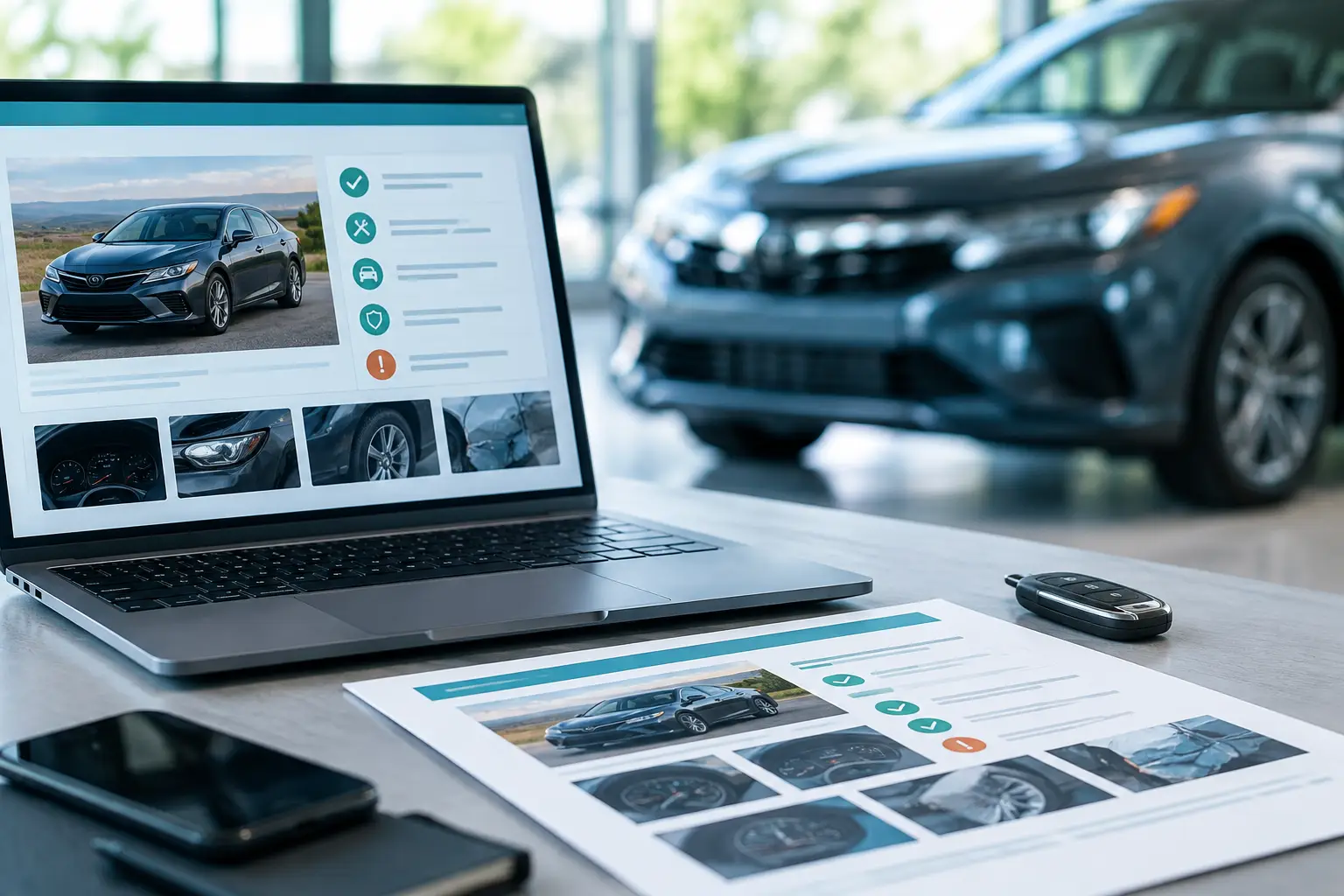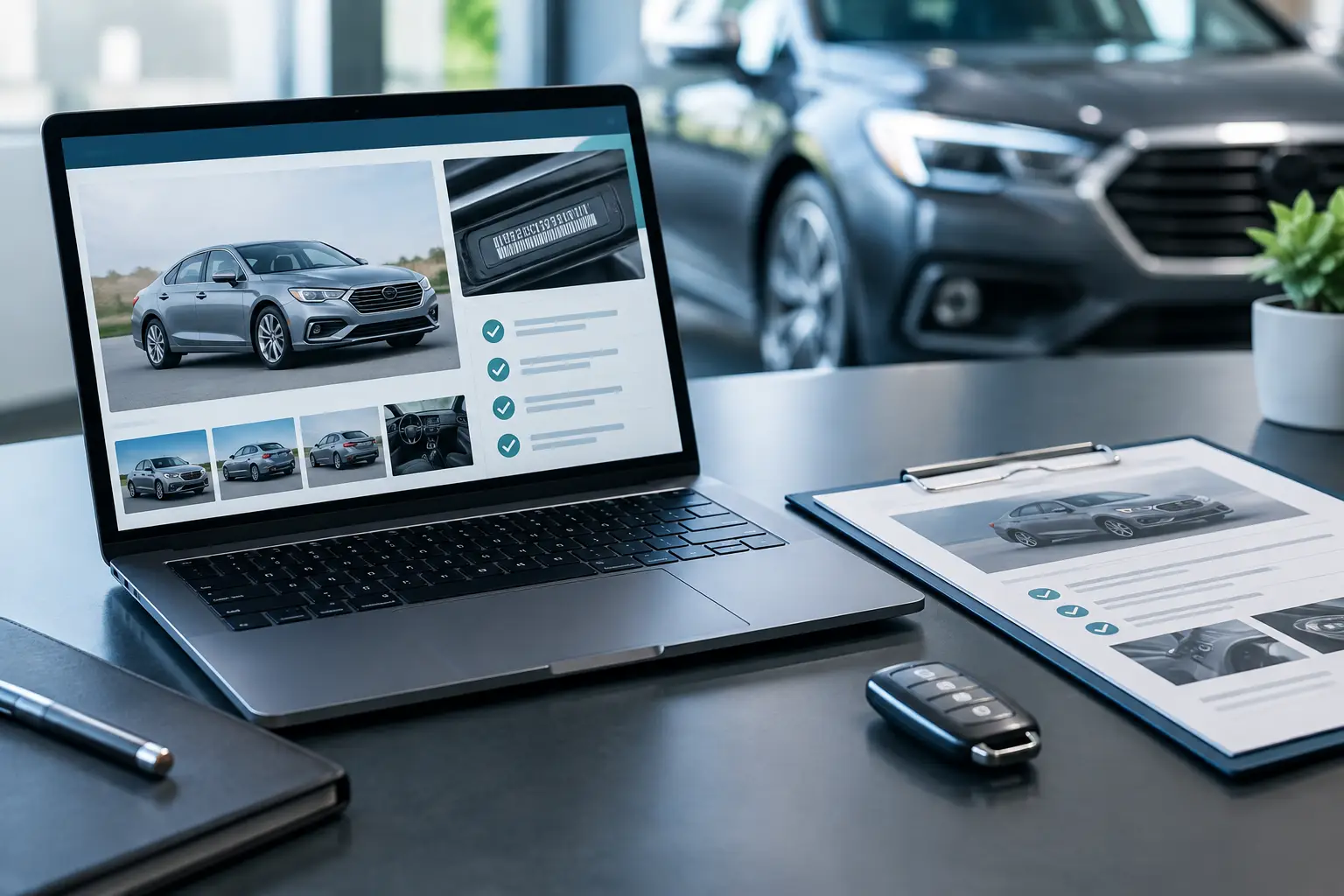
A cheap report that misses a branded title or rolled-back odometer is not a bargain. When shoppers ask for the best vehicle history report for the money, what they usually mean is simpler: which report gives enough verified proof to help me avoid an expensive mistake.
That question matters whether you are buying one used SUV, evaluating auction inventory, or checking multiple trade-ins in a week. Price still matters, but value comes from what the report actually helps you confirm - and how quickly it helps you make a decision.
What makes the best vehicle history report for the money?
The right answer is not always the lowest price per VIN. A report has to do three jobs well. It should surface meaningful risk, make the data easy to understand, and fit the way you shop or manage vehicles.
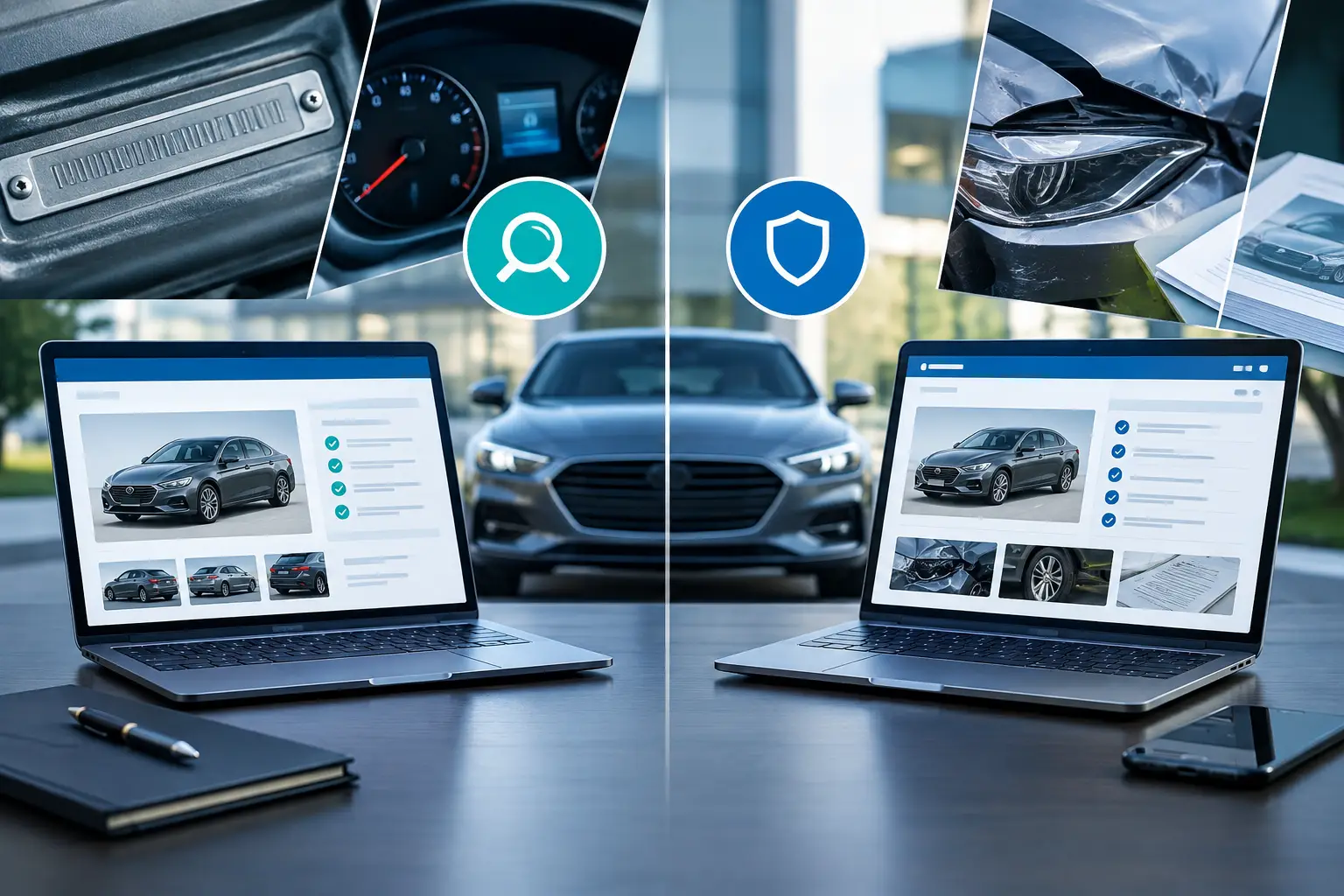
Meaningful risk comes first. A useful report should help you verify accident and damage history, title status, title brands, theft records, ownership history, odometer readings, open recalls, and basic vehicle specs. If those records are thin, outdated, or hard to interpret, the price is almost beside the point.
Clarity is the second piece. Raw data alone does not protect buyers. Most people do not want to read disconnected entries and guess what matters most. They want a clean read on whether a vehicle looks low-risk, questionable, or worth a closer inspection.
Then there is workflow. A single buyer looking at one car has different needs than a dealer comparing ten similar trucks. If the platform forces you to open one report at a time with no way to save, compare, or export findings, the cost in time starts to matter just as much as the report fee.
Cheapest vs best value are not the same thing
This is where many buyers get tripped up. A low-cost report can feel like a win until it misses a red flag that changes the deal. On the other hand, the most expensive report is not automatically the best value either, especially if you only need a few VIN checks and the interface slows you down.
The better way to judge value is to look at cost per confident decision. If a report helps you spot flood history, salvage branding, inconsistent mileage, or signs that a seller's story does not line up, it may save you thousands. That is strong value even if the upfront price is slightly higher.
But there is a real trade-off. If you are screening a large number of vehicles, paying premium single-report pricing every time can get expensive fast. Buyers and dealers in that position usually benefit more from a platform that supports volume, side-by-side comparisons, and saved records.
The data points that matter most
Not every line in a vehicle history report carries the same weight. Some details are nice to have. Others can change the purchase decision immediately.
Title status and title brands deserve close attention because they affect value, insurability, financing, and resale. Salvage, rebuilt, lemon, flood, and other brands are not minor footnotes. They are core risk indicators.
Odometer verification matters for the same reason. Mileage is tied directly to pricing, condition expectations, and service life. If the mileage history shows inconsistencies, you are no longer judging the vehicle on reliable assumptions.
Accident and damage records also need context. A minor cosmetic incident from years ago is not the same as repeated damage events, structural damage, or airbag deployment. The best reports do more than say an incident occurred. They help you understand how serious it may have been.
Ownership history can also tell a story. A one-owner personal vehicle with consistent registration and service patterns may inspire more confidence than a vehicle that changed hands frequently across multiple states in a short time. That does not make frequent transfers a deal breaker, but it does justify more scrutiny.
Safety ratings, open recalls, theft records, and specs fill in the picture. These are especially helpful when you are comparing similar vehicles and trying to separate a clean candidate from one with hidden friction.
Why scoring matters when you are short on time
For many buyers, the hardest part of reading a report is not finding the information. It is knowing what to do with it. A long record can be full of entries, yet still leave a shopper unsure whether the vehicle is reasonably safe to pursue.
That is where a scoring model becomes valuable, if it is built responsibly. A risk-based score can convert scattered history signals into a simpler decision aid. It should not replace your judgment or a pre-purchase inspection, but it can help you triage faster.
This is especially useful when you are comparing multiple VINs. Instead of reviewing each report in isolation, you can quickly identify which vehicles deserve more attention and which ones may not be worth your time. For dealers, auction buyers, and fleet teams, that speed has real financial value.
A platform like DriveEvidence stands out here because it combines verified vehicle data with a proprietary 0-100 DriveEvidence Score and a dashboard built for comparing multiple vehicles side by side. That matters if you are trying to move from raw information to a clean decision without juggling disconnected reports.
Best vehicle history report for the money for different buyers
The best fit depends on how many vehicles you check and how much context you need.
For a one-time consumer purchase, the best value usually comes from a report that gives broad coverage, clear title and damage signals, odometer verification, recall data, and an interface that does not bury the answer. If you are buying just one vehicle, paying a little more for stronger clarity can be worth it.
For independent dealers and dealership teams, the best vehicle history report for the money is rarely a one-off report. It is usually a workflow tool. You need to save VINs, compare them quickly, export findings, and avoid repeating the same manual review process over and over.
For fleet managers, consistency matters even more. You are not just checking a vehicle before purchase. You may be evaluating additions, replacements, resale timing, or risk across a group of assets. In that case, dashboard functionality and repeatable evaluation standards can matter as much as the underlying records.
Collectors and enthusiasts sit in a slightly different category. They often care about ownership history, mileage credibility, specifications, market value, and vehicle identity details at a deeper level. For them, the best value may be the report that answers niche verification questions cleanly, even if the price is not the absolute lowest.
How to compare report options without wasting money
Start with your actual buying pattern. If you only need one VIN report, compare total price, coverage depth, and how clearly the report presents risk. If you expect to review several vehicles, look closely at bundle pricing, saved searches, and compare tools.
Next, look at whether the platform gives you free value before asking you to pay. Free VIN decoding, specs, and recall checks can help you narrow the field before you buy premium reports. That lowers wasted spend and speeds up screening.
Then evaluate usability. This gets overlooked, but it should not. A report is not valuable if it takes too long to interpret or if you cannot organize multiple vehicles in one place. Time is a real cost, especially for professionals.
Finally, think in terms of proof, not branding. A recognizable provider name does not automatically mean better records for your use case. Look at what is actually included, how it is presented, and whether the platform helps you compare and act on the information.
What a vehicle history report cannot do
Even the best report is not a guarantee. Gaps can exist because not every event is reported everywhere, and not every data source updates at the same speed. A clean report does not mean a vehicle is perfect.
That is why a history report should be part of a buying process, not the whole process. Use it alongside a VIN check, pricing review, seller questions, service records when available, and an independent inspection. The report helps you identify known risk and verify claims. It does not replace eyes on the vehicle.
That said, skipping the report entirely is usually a much bigger mistake than accepting that no report is flawless. The goal is not perfect certainty. The goal is better evidence before money changes hands.
If you want the best vehicle history report for the money, focus less on the cheapest sticker price and more on decision quality. The right report should help you spot red flags early, compare vehicles faster, and move forward with proof instead of guesswork.